Top 10 Greatest F1 Drivers of All Time
Ranking the best F1 drivers ever is inherently debatable: different methods favour raw statistics, peer opinion or adjusted models that remove car advantage. This list produces an editorial Top 10 that balances measurable achievement, era context and respected expert studies so fans can argue the finer points.
How this ranking was built
This order blends three inputs highlighted in reputable sources: expert polling of drivers (notably the 2009 Autosport drivers' poll), editorial consensus from major motorsport outlets, and the approach of adjusted statistical research that accounts for car/team effects (such as the University of Sheffield study). Where methods conflict, the list weights results, peer esteem, era difficulty and the influence a driver had on the sport.
What this ranking highlights
- Why peer opinion and statistical adjustment can produce different winners.
- How era, car advantage and longevity shape claims of 'greatest'.
- Which names consistently appear across expert lists and research.
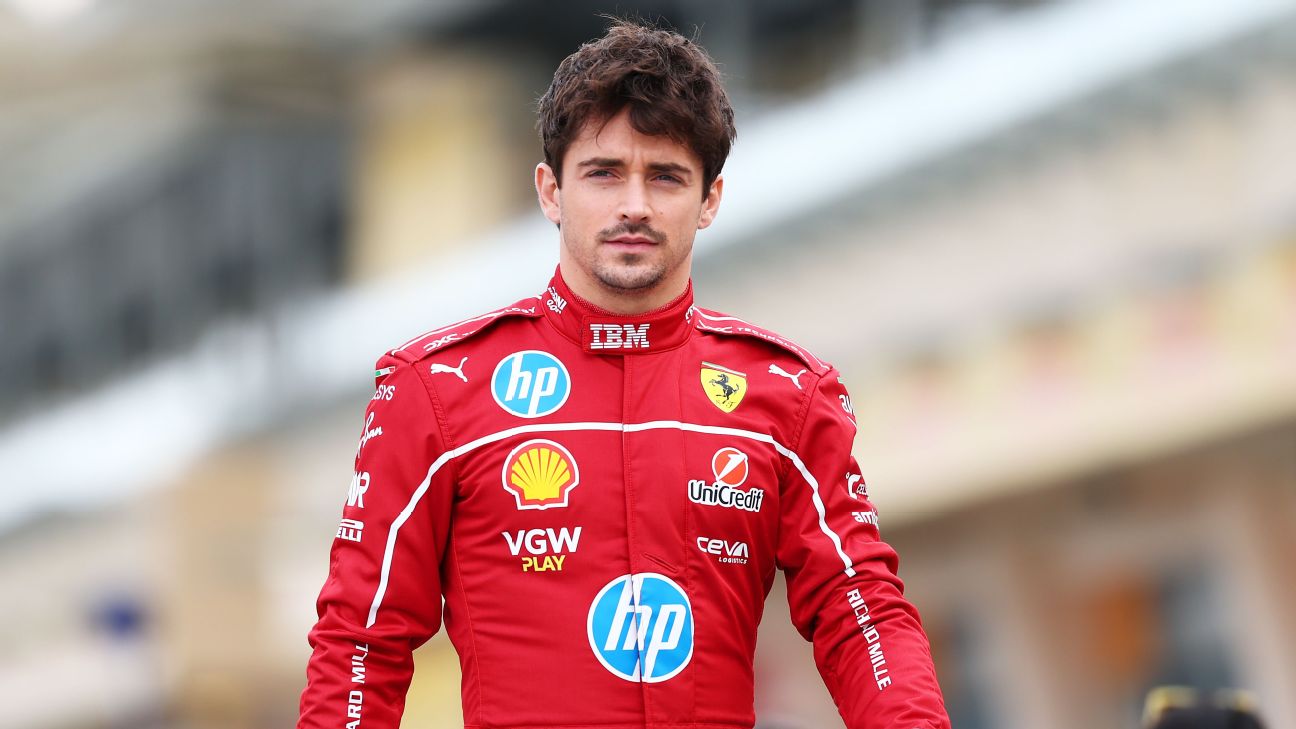
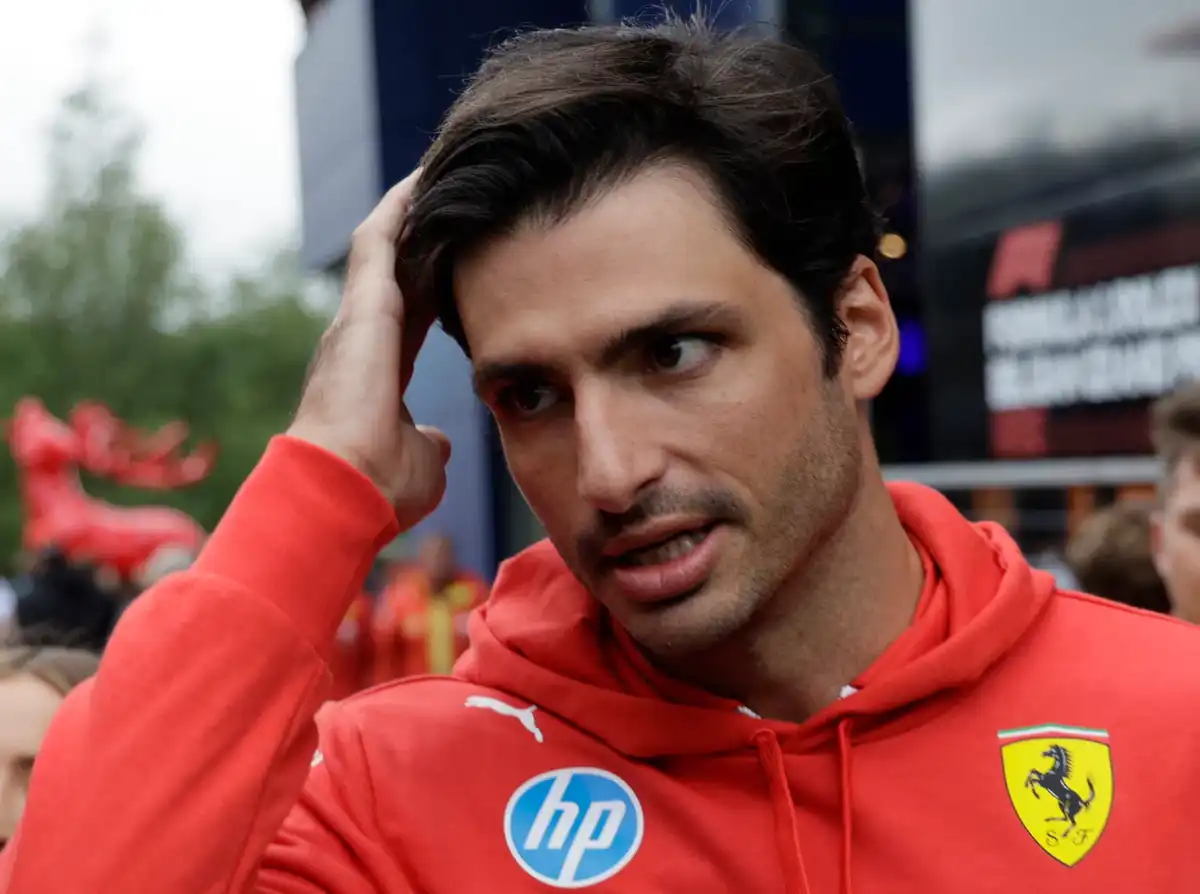
10. Charles Leclerc
🏁 Key stat: 8 wins, 52 podiums and 27 pole positions · 📅 Era: Modern era · ⭐ Why it matters: Elite qualifying speed and Ferrari leadership, but no world title yet
Charles Leclerc is the most debatable name in this ranking, because his all-time case is still unfinished. The numbers show a driver with real elite markers: multiple Grand Prix wins, more than 50 podiums and a notably high pole-position total for a driver without a World Championship. His inclusion rests on peak speed, Ferrari prominence and qualifying brilliance rather than completed championship legacy.
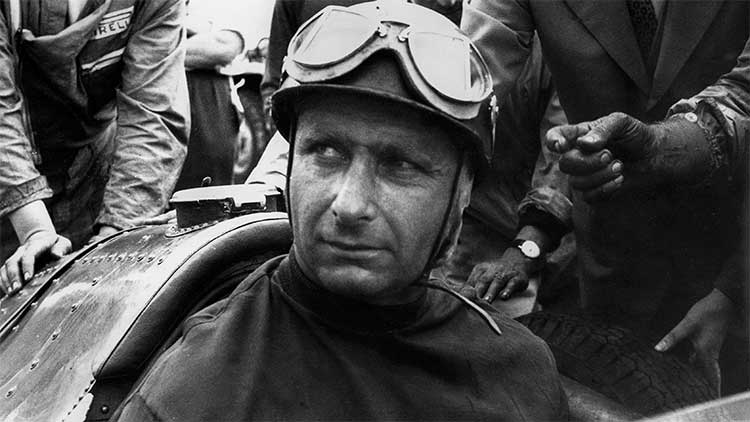
9. Juan Manuel Fangio
🏆 Key stat: 5 World Championships from 51 championship Grands Prix · 📅 Era: Early years of F1 · ⭐ Why it matters: Extraordinary strike rate across multiple teams
Juan Manuel Fangio’s raw totals come from a much shorter and more dangerous era, but his efficiency remains exceptional. Formula 1’s Hall of Fame records five World Championships, 24 victories, 35 podiums and 29 pole positions from only 51 championship Grands Prix. That makes him one of the strongest era-adjusted candidates in the history of the sport.
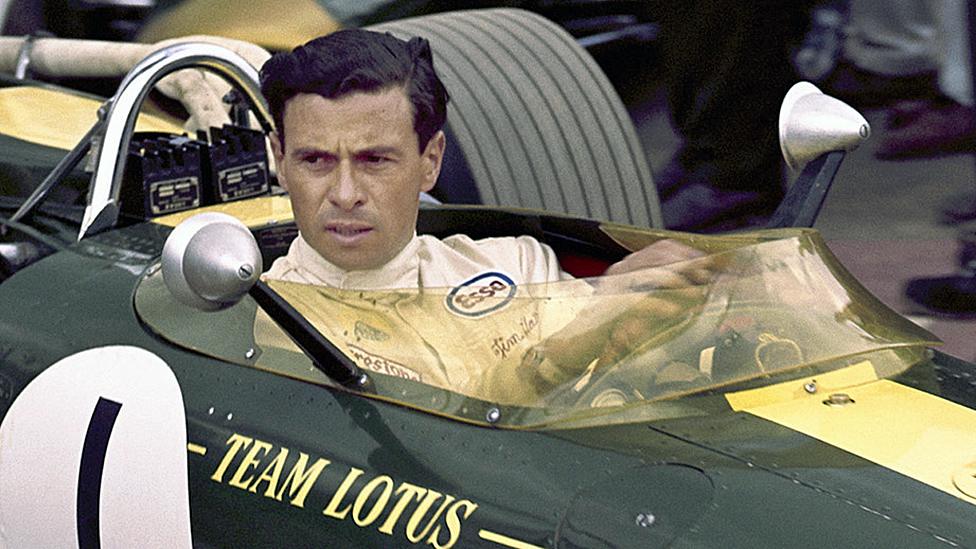
8. Jim Clark
🏆 Key stat: 2 World Championships, including 6 wins from 10 races in 1965 · 📅 Era: 1960s · ⭐ Why it matters: One of F1’s clearest examples of peak dominance
Jim Clark’s career was cut short, but his peak was immense. Formula 1’s Hall of Fame highlights his 1963 season with seven championship race wins and his 1965 title season with six wins from 10 races. His place here reflects dominance, natural speed and the strength of his reputation among historic champions.
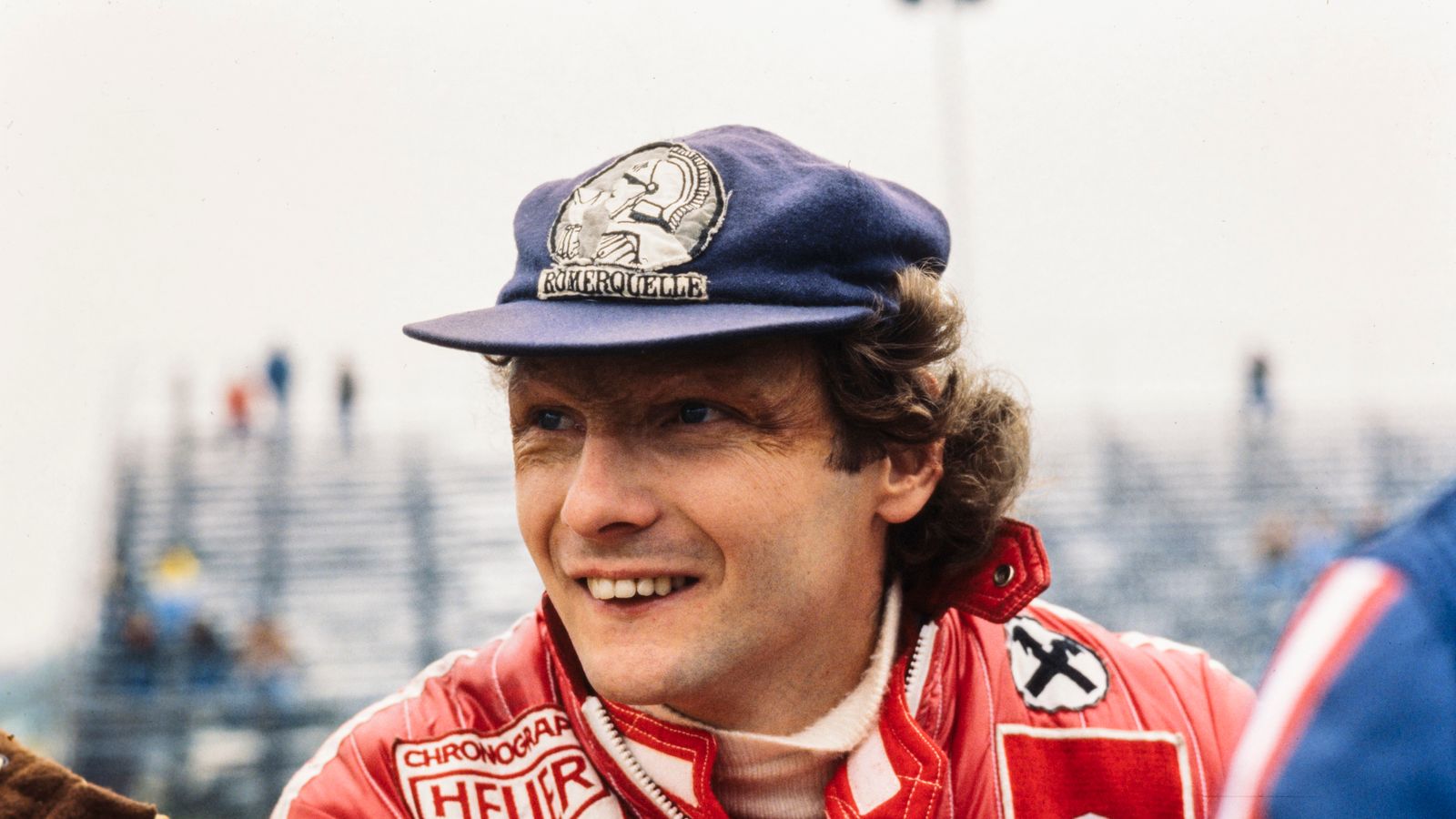
7. Niki Lauda
🏆 Key stat: 3 World Championships in 1975, 1977 and 1984 · 📅 Era: 1970s–1980s · ⭐ Why it matters: Tactical precision, resilience and championship intelligence
Niki Lauda’s greatness is not only statistical, but the numbers are strong: three World Championships across two different title-winning periods. His 1976 Nürburgring accident and rapid return made his story legendary, but his ranking is based on more than courage: Lauda was one of Formula 1’s most precise, analytical and strategically complete champions.
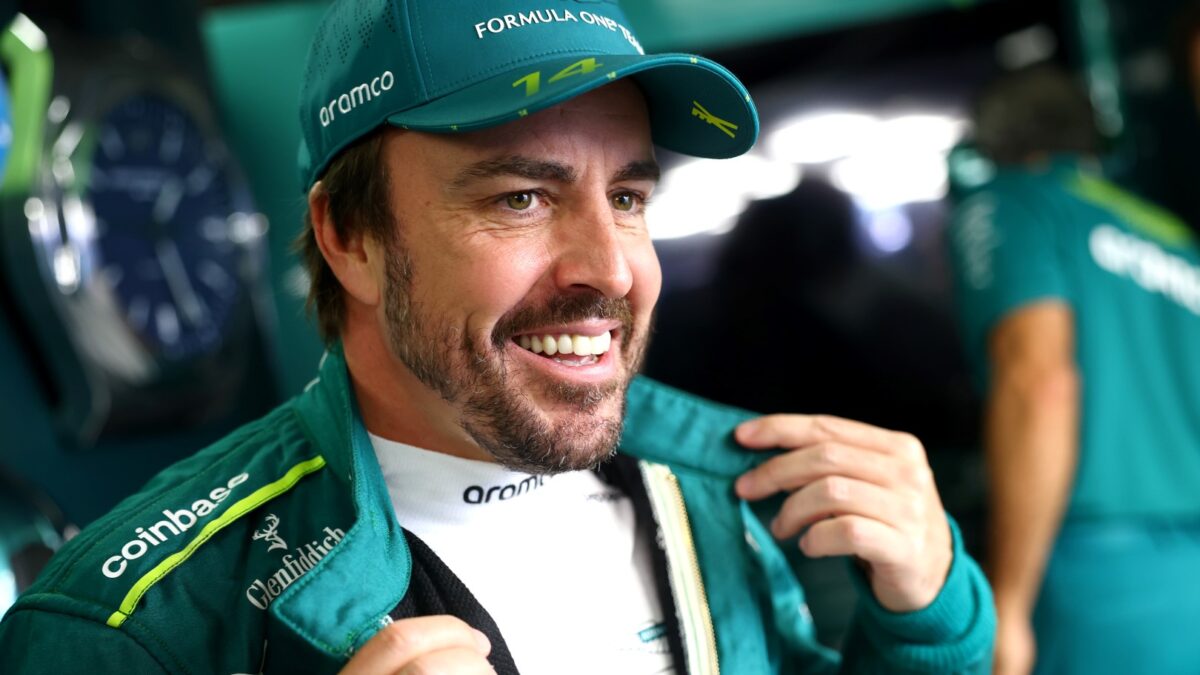
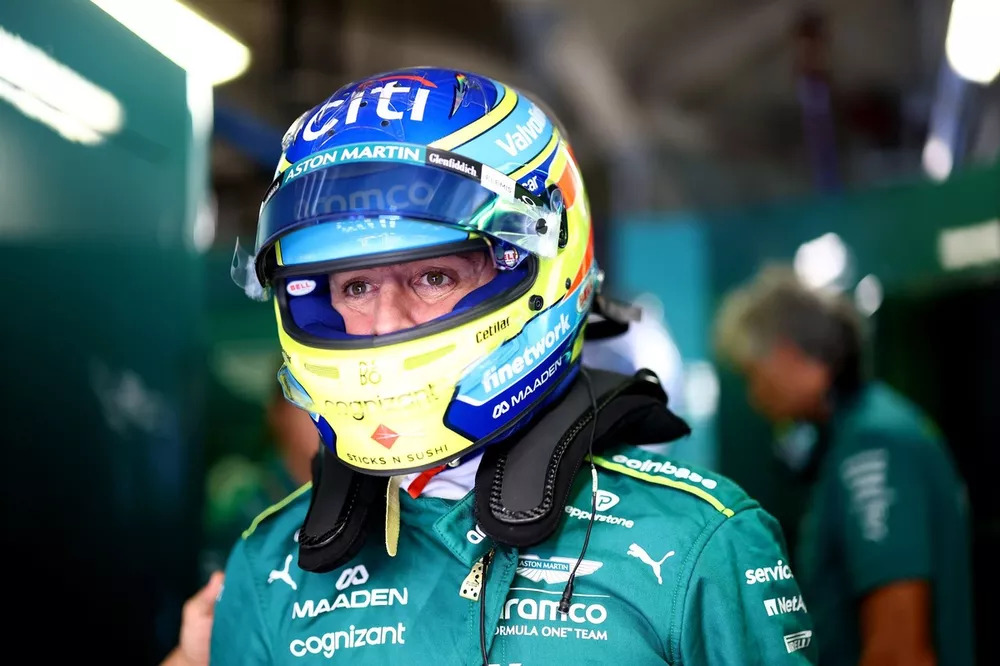
6. Fernando Alonso
🏆 Key stat: 2 World Championships, 32 wins and 106 podiums · 📅 Era: 2000s–2020s · ⭐ Why it matters: Longevity, racecraft and performance across very different cars
Fernando Alonso’s case is built on more than his two titles. His career totals include 32 wins, 106 podiums and more than 400 Grand Prix entries, showing unusual longevity at the highest level. He also carries a strong era-defining achievement: beating Michael Schumacher and Ferrari to the 2005 and 2006 World Championships with Renault.
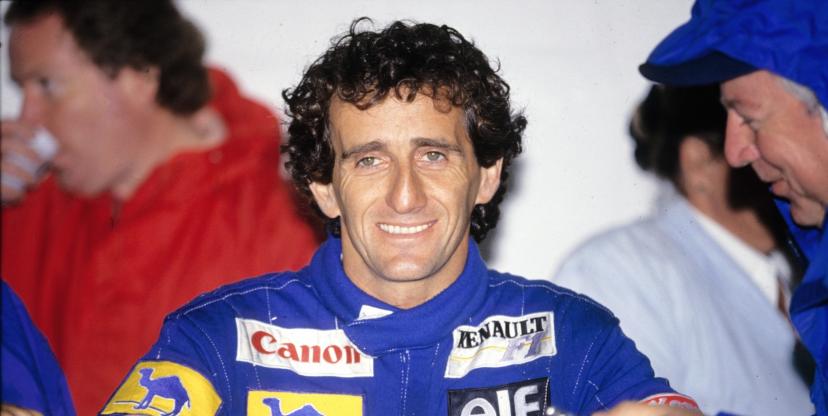
5. Alain Prost
🏆 Key stat: 4 World Championships and 51 Grand Prix wins · 📅 Era: 1980s–1990s · ⭐ Why it matters: Tactical mastery and one of F1’s strongest championship records
Alain Prost’s place is supported by a major championship résumé: four World Championships and 51 Grand Prix victories. Formula 1’s Hall of Fame notes that, among champions, only Lewis Hamilton, Michael Schumacher and Juan Manuel Fangio had won more crowns than Prost. His legacy rests on precision, strategy and relentless points-scoring efficiency.
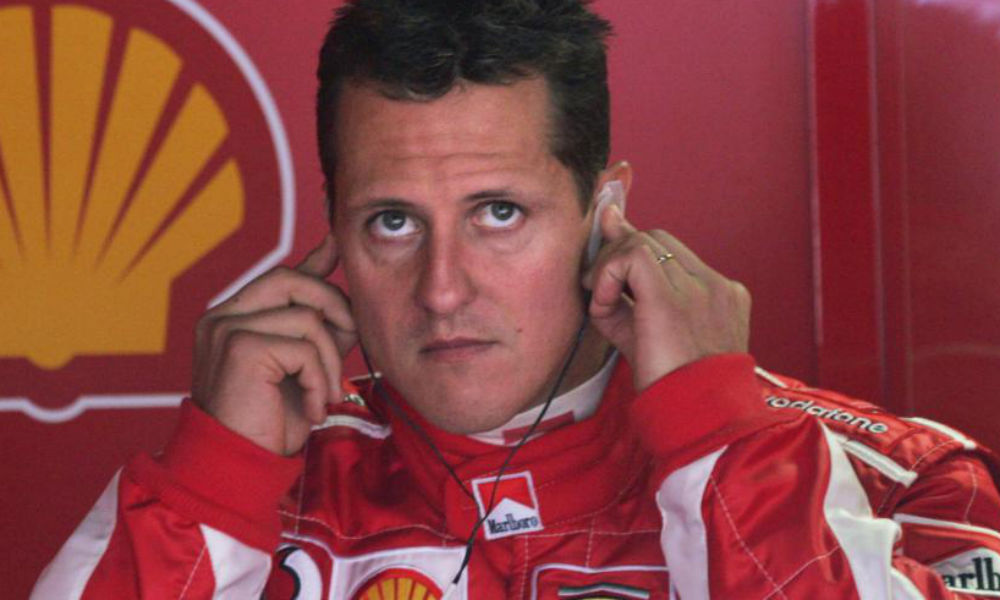
4. Michael Schumacher
🏆 Key stat: 7 World Championships, including 5 consecutive titles from 2000 to 2004 · 📅 Era: 1990s–2000s · ⭐ Why it matters: Ferrari-era dominance and one of F1’s greatest statistical careers
Michael Schumacher is one of Formula 1’s clearest statistical giants. He won seven World Championships, including five in a row with Ferrari from 2000 to 2004. His peak combined speed, fitness, technical feedback and team-building influence, turning Ferrari into the dominant force of the early 2000s.
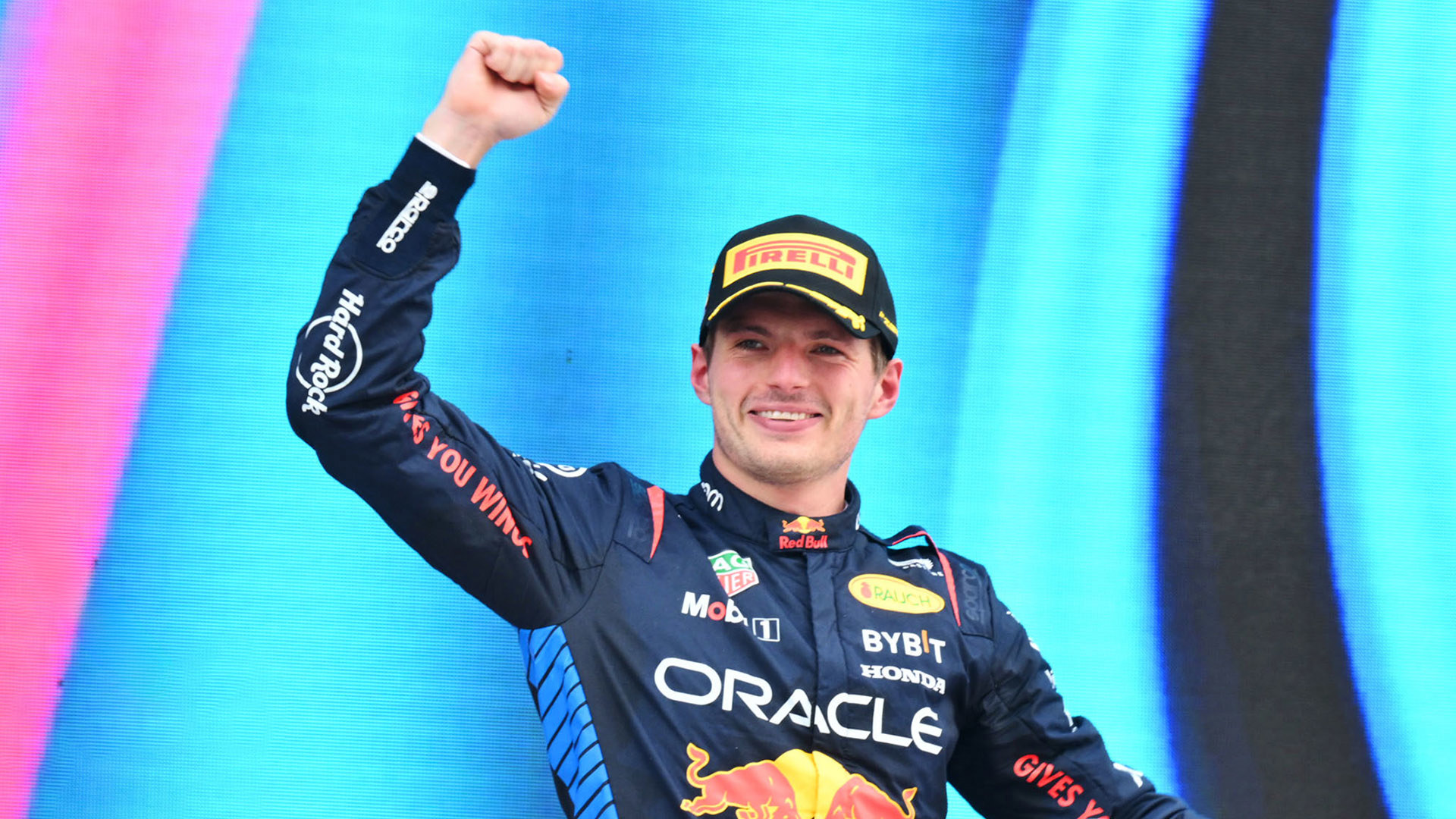
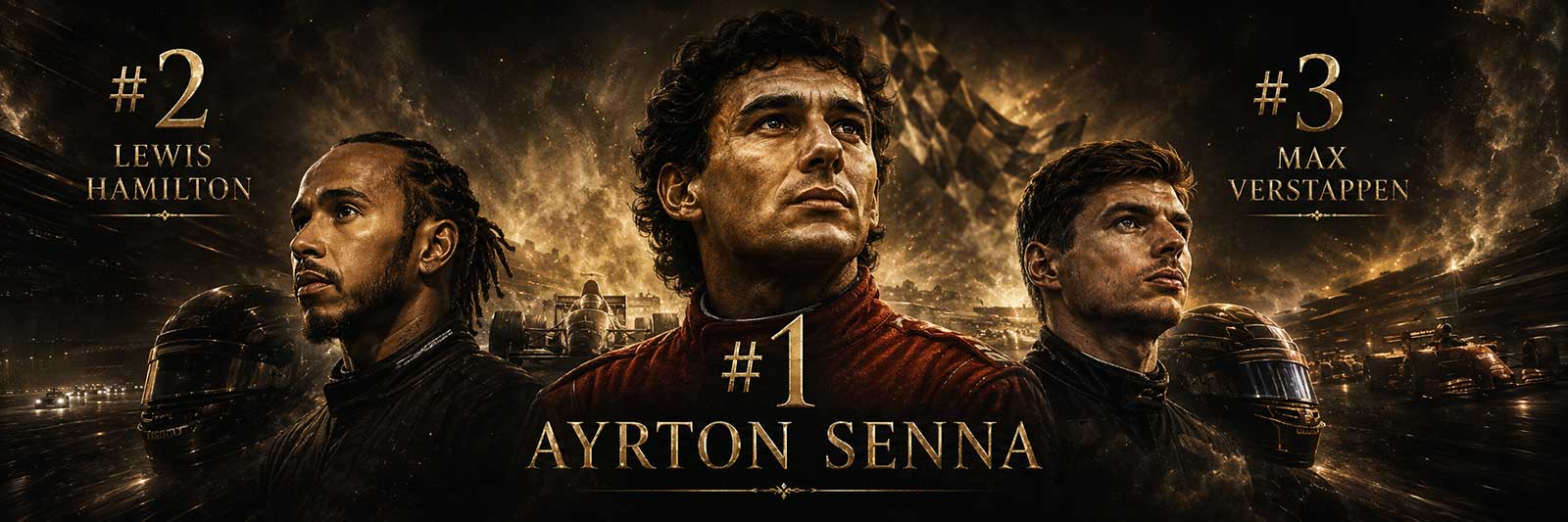
3. Max Verstappen
🏆 Key stat: 4 World Championships, 71 wins and 128 podiums · 📅 Era: Modern era · ⭐ Why it matters: Peak dominance, racecraft and record-breaking modern consistency
Max Verstappen’s all-time case has become impossible to ignore. His current career totals include four World Championships, 71 victories, 128 podiums and 48 pole positions. Formula 1’s own biography also highlights his 2023 season: 19 wins from 23 Grands Prix, one of the most dominant single-season performances in the sport’s history.
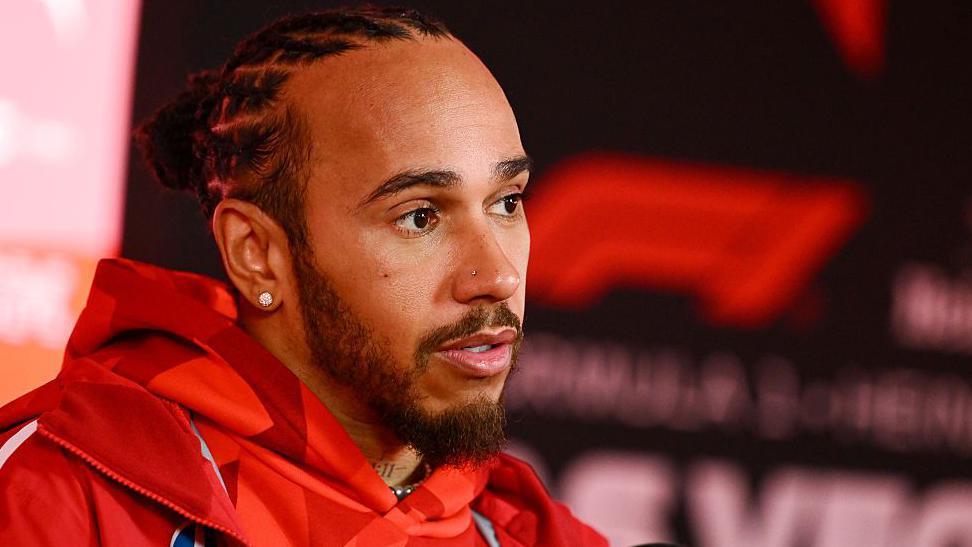
2. Lewis Hamilton
🏆 Key stat: 7 World Championships, 105 wins and 104 pole positions · 📅 Era: 2000s–2020s · ⭐ Why it matters: F1’s modern statistical benchmark
Lewis Hamilton has one of the strongest statistical cases in Formula 1 history. Formula1.com lists him with seven World Championships, 105 Grand Prix wins, 205 podiums and 104 pole positions. Those numbers place him at the centre of any serious greatest-driver debate, combining championship success, qualifying speed, longevity and cultural impact.
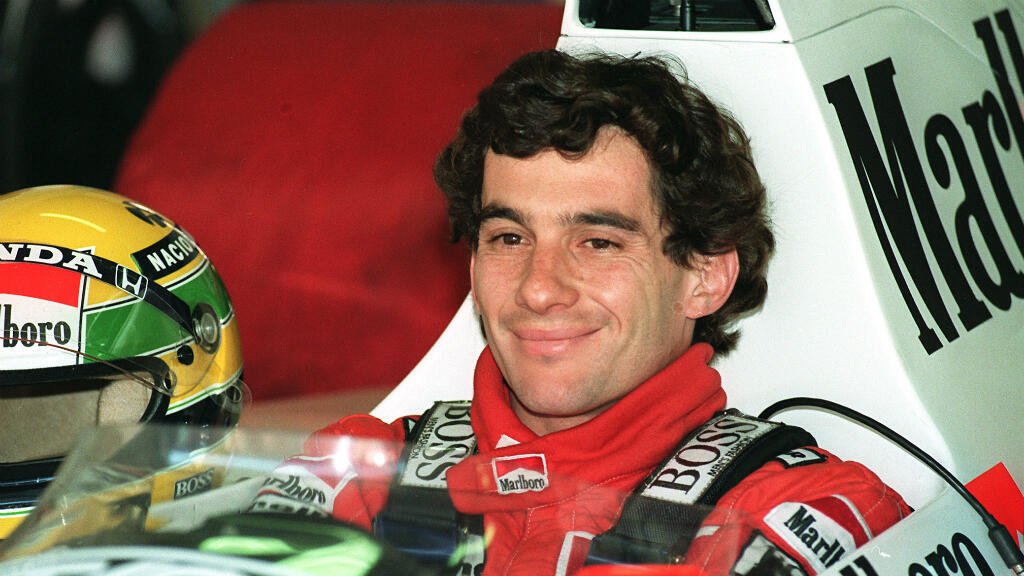
1. Ayrton Senna
🏆 Key stat: 3 World Championships and a then-record 65 pole positions · 📅 Era: 1980s–1990s · ⭐ Why it matters: Qualifying genius, wet-weather mastery and enduring peer reputation
Ayrton Senna remains the emotional and sporting benchmark for many Formula 1 fans and drivers. Formula 1’s Hall of Fame records three World Championships, six Monaco victories and a then-record 65 pole positions. His case for number one rests less on raw totals than on peak speed, qualifying brilliance, wet-weather genius and the enduring force of his legend.
What this ranking tells us
This Top 10 is deliberately editorial: it recognises that raw statistics, peer polls and adjusted academic models can each produce a different 'greatest'. The list highlights names that consistently appear across those methods—Senna for peer esteem, Fangio in era-adjusted research, Schumacher and Hamilton in raw-stat arguments, and Prost, Clark and others for tactical and historical weight. Debate remains healthy: change the weighting and the order shifts, which is exactly why fans and historians will keep arguing these spots for decades.