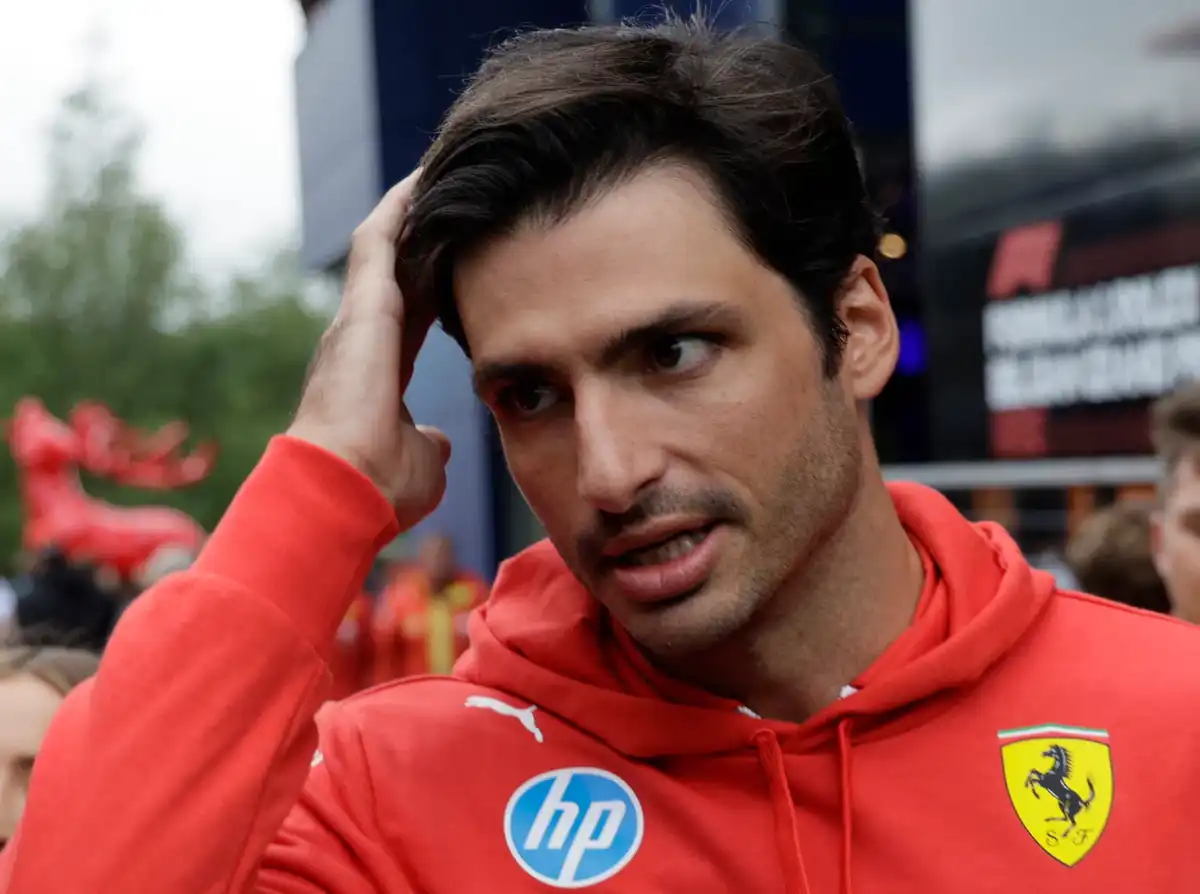
Magnussen Kevin: retracing Kevin Magnussen’s career through results and…
Kevin Magnussen’s Formula 1 story is best read through its results: an extraordinary debut podium, steady presence across several teams, a clear peak season with strong championship placement, and a career that includes a break from F1 before a full-time return. This article follows Magnussen Kevin season by season to show how those results sketch a nuanced portrait of his career.
Quick summary
Magnussen debuted with a podium on his first race (2014 Australian GP), raced full seasons for McLaren (2014–2015), Renault (2016) and Haas (2017–2020, 2022– ), achieved his best championship placing in 2018 (9th with Haas) and has no Grand Prix wins to date.
What this article does
- Trace the driver’s seasons and defining results.
- Highlight peak campaigns and interruptions.
- Interpret what the results imply about his standing in F1.
What the full palmarès looks like
Read strictly by verified results, Magnussen Kevin’s Formula 1 palmarès is compact but revealing. His headline is the second-place finish on debut at the 2014 Australian Grand Prix — the lone podium listed in the verified record. He has driven full seasons for three constructors (McLaren, Renault, Haas) and returned to Haas after a period away from Formula 1. There are no Grand Prix wins recorded in the verified facts, and his best championship finish is 9th in 2018 with Haas.
The early F1 years
Magnussen Kevin began his race career in Formula 1 with immediate impact: his first Grand Prix start, at the 2014 Australian Grand Prix, produced a 2nd place finish for McLaren on 16 March 2014. That debut podium framed the early narrative of a driver arriving ready to score results. He continued as a full-time McLaren driver through the 2014 and 2015 seasons, establishing himself as part of the sport’s regular grid across that opening period.
The season-by-season climb
After two seasons at McLaren, Magnussen moved to Renault for the 2016 campaign as one of the team’s race drivers. That season represented a change of environment and a chance to continue scoring points in different machinery. From 2017 he joined Haas, beginning a multi-year stint that would prove to be the most consequential stretch of his career to date.
Wins, podiums and competitive shape
The verified record shows one career podium: the runner-up finish at Melbourne in 2014. No Grand Prix victories are recorded. This profile points to a driver who reached the podium in a standout debut performance but whose subsequent seasons have been defined more by consistent participation and moments of solid scoring rather than frequent top-three results. His best championship result, 9th in 2018 with Haas, indicates a season of relative competitiveness within the midfield where he and his team were able to convert race results into a notable championship placing.
Difficult seasons, interruptions and comebacks
After the 2020 season Magnussen lost his full-time F1 seat and spent time away from the championship competing in endurance racing, including association with Peugeot’s Hypercar programme, before returning to a full-time seat with Haas for 2022. That interruption and return change the arc of his career: rather than a single continuous climb, the record contains a hiatus and a reintegration, which in results terms underlines resilience and the capacity to secure a top-level return.
Late-career record building or redefinition
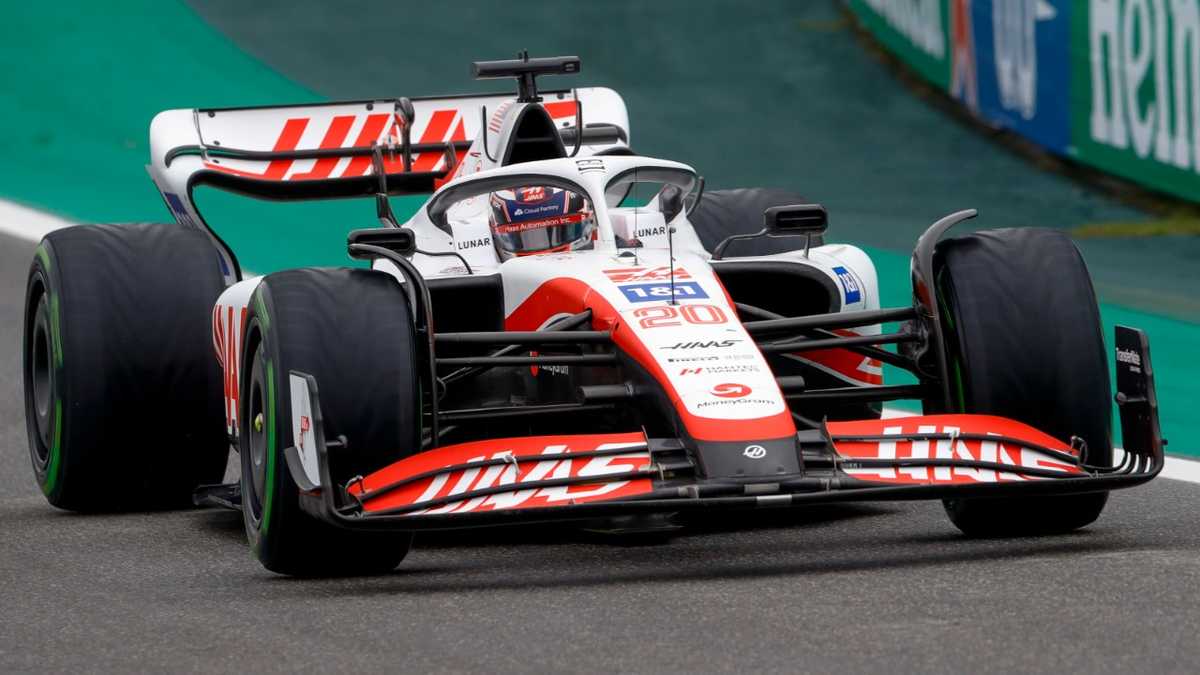
Magnussen’s return to Haas from 2022 onwards represents a phase where past experience and a known car number (20) converge. The verified facts show he resumed full-time F1 competition with the same team he raced for between 2017 and 2020. In palmarès terms, this era is less about adding headline wins and more about consolidating a career trajectory that includes a high-profile debut, a best championship finish in 2018, and the ability to come back to Formula 1 after time in endurance racing.
Where the driver stands in F1 history
Viewed against the broader history of the sport, Magnussen Kevin’s record is not one of championship titles or multiple wins; instead it highlights durability and adaptability. A debut podium is rare and places him among drivers who made immediate impressions, while a best finish of 9th in the standings (2018) with meaningful points that season demonstrates genuine competitiveness in a midfield context. The verified facts portray a career with important singular moments and steady presence rather than persistent top-step success.
Closing interpretation
Magnussen Kevin’s palmarès reads as a study in contrasts: an exceptional opening result on debut, seasons spent across three constructors, a clear peak in 2018, and a mid-career interruption followed by a return to the grid. The verified numbers — one podium on debut, no Grand Prix wins recorded in the sources, full-season entries for McLaren, Renault and Haas, and a best championship placing of 9th in 2018 — suggest a driver whose legacy is defined by resilience, the ability to score when the machinery allows, and a persistent presence in Formula 1 across multiple eras of his career.
Author: Eric M.