Alonso Fernando: Examining the Sporting Story from Karting Roots to Reinvention
Fernando Alonso Díaz, born 29 July 1981, is one of Formula 1’s defining figures: a two-time World Champion who built a career through clear stages of learning, confirmation and reinvention. This article traces Alonso’s path from early competition and junior development into Formula 1, highlights the moments that reshaped his trajectory, and explains why his sporting identity remains relevant.
Summary
Alonso rose from early competition into Formula 1, won consecutive drivers' championships with Renault in 2005 and 2006, experienced major team moves, stepped away from F1 to pursue endurance racing where he won Le Mans and a WEC title, then returned to F1 with Renault/Alpine and later moved to Aston Martin.
Reader preview
- How junior development prepared Alonso for rapid impact in F1.
- Why the Renault championship years were a turning point.
- How endurance success and returns to F1 redefined his career.
Childhood and first competition years
The verified record anchors Alonso’s biography with his birth year, 1981. From that starting point he advanced through the usual early competitive stages that lead drivers toward single-seater careers. Those formative years set the technical and competitive foundation that would be tested in junior formulas and then in Formula 1.
Karting and the first serious signals
Alonso’s pathway followed the established route for drivers who reach the top level: early competition in karts and junior single-seaters built core racecraft and race-management skills. This period is where raw promise turns into the consistent performance that attracts teams in higher categories and ultimately a Formula 1 opportunity.
The junior formula climb
Progress through junior single-seaters prepared Alonso for the technical and mental demands of F1. His trajectory through those categories positioned him to enter the Formula 1 paddock and to be considered by established teams aiming to blend youth with immediate potential.
Arrival in Formula 1
Alonso made his Formula 1 race debut with Minardi in the 2001 season. That debut marked his first exposure to F1 race weekends, machinery and the unique pressures of the world championship. Early F1 seasons are a testing ground where adaptability and learning speed are as important as raw pace.
Breakthrough seasons and defining campaigns
Alonso’s first major confirmation came with Renault. He joined Renault as a full-time works driver and rose to global prominence by winning back-to-back World Drivers' Championship titles in 2005 and 2006. Those seasons converted potential into sustained success and established Alonso among the elite of his generation.
Teammates, rivals and paddock relationships
Throughout his career Alonso’s role within teams and the wider paddock environment has been shaped by the people and institutions around him. Team dynamics, internal competition and broader political episodes inside teams are part of the context that moulds a driver’s career trajectory.
Crashes, injuries and setbacks
Like every long career in top-level motorsport, Alonso’s journey has included setbacks and periods of recalibration. Some of these were linked to wider team controversies that affected seasons and narratives in which he was involved, illustrating how on-track performance and off-track events combine to influence a sporting trajectory.
Transfers, resets and reinvention
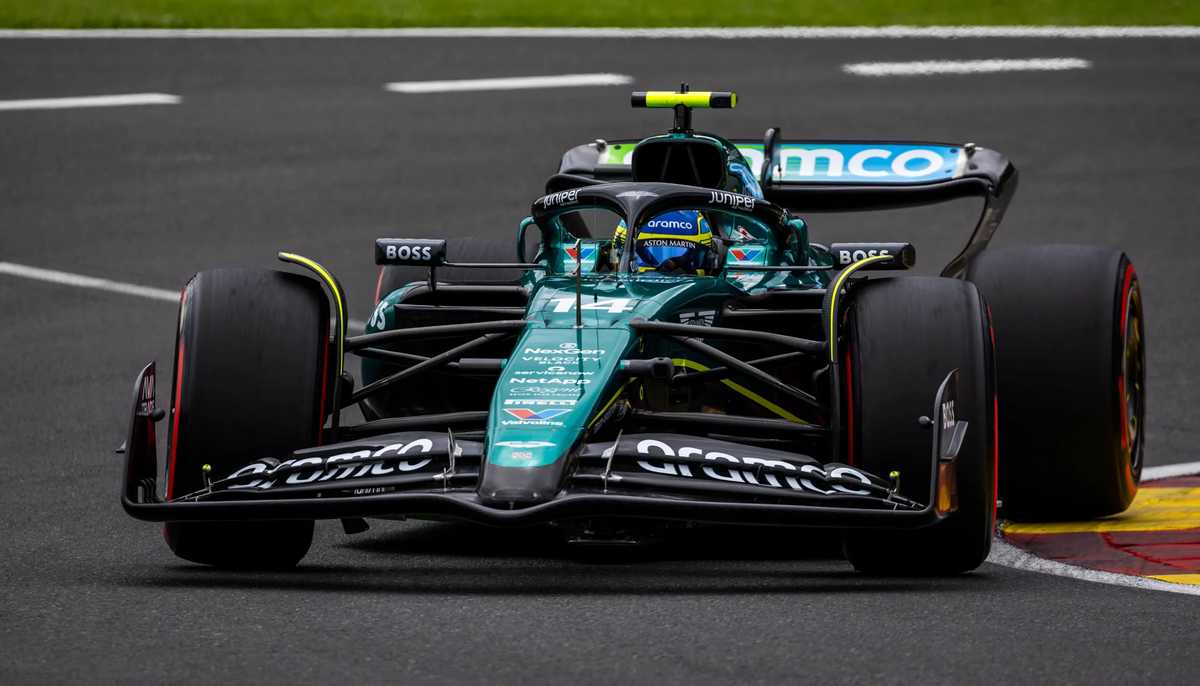
Alonso’s career includes several high-profile team moves: after his early Renault success he drove for McLaren (including a brief 2007 spell and a later long-term return during 2015–2018 with McLaren-Honda/McLaren), then Ferrari (2010–2014), a return to Renault/Alpine for 2021–2022, and a move to Aston Martin from 2023. These transfers represent strategic resets—each change brought new expectations and tested his capacity to adapt to different cars, team cultures and championship contexts.
Endurance success and time away from F1
Alonso’s two-year absence from Formula 1 was a pivotal career chapter. During that period he pursued endurance racing with Toyota Gazoo Racing, winning the 24 Hours of Le Mans in 2018 and 2019 and securing the 2018–19 FIA World Endurance Championship. Those achievements broadened his sporting résumé and demonstrated an ability to succeed across disciplines, reinforcing his reputation beyond single-seater racing.
Return to F1 and later career meaning
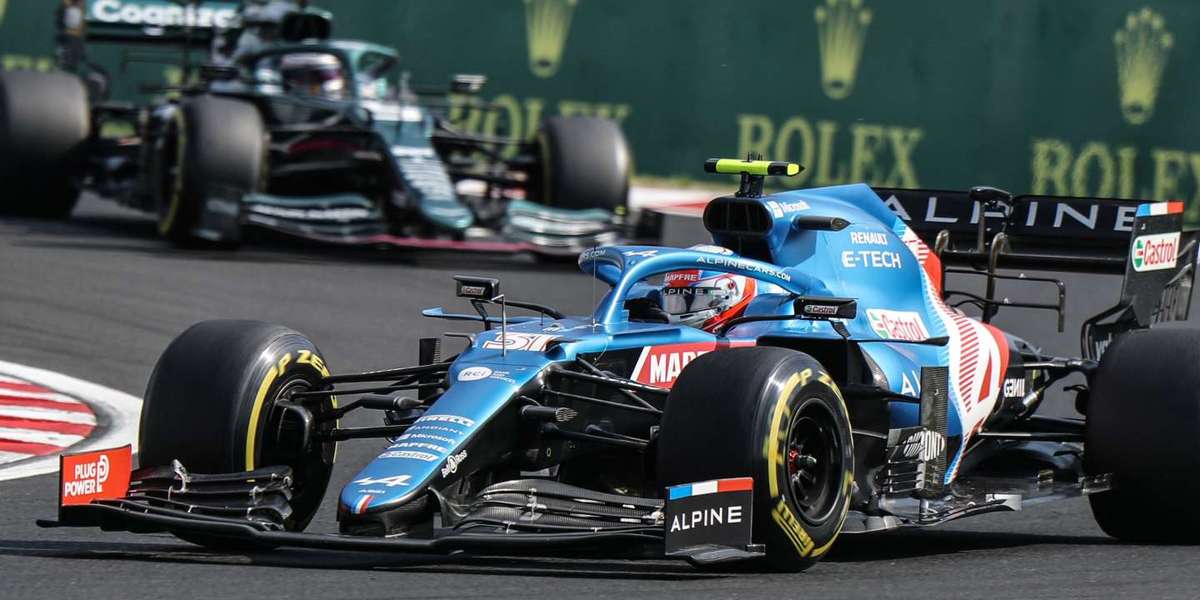
Alonso returned to Formula 1 with Renault—rebranded as Alpine—in 2021, signalling a renewal of focus on the world championship. Later he joined Aston Martin from 2023. These later stages show a driver balancing a legacy of championship success with an appetite to remain competitive as the sport evolves. His endurance successes combined with multiple returns to F1 make his career a study in longevity and adaptation.
Closing interpretation
Alonso’s sporting story is defined by distinct phases: early technical and competitive formation, rapid confirmation at Renault culminating in 2005–2006 world titles, a series of strategic transfers that tested and redefined him, a purposeful break to prove himself in endurance racing, and returns that underline resilience and continued relevance. These phases matter because they show how a driver can convert early promise into peak achievement, respond to setbacks with different challenges, and remain a central figure in motorsport across disciplines.
Author: Cynthia D.