Carlos Sainz: What the palmarès really says about his F1 trajectory
Carlos Sainz’s Formula 1 career is best read as a steady upward arc shaped by moves between teams and by an ability to convert team improvements into personal milestones. Debuting in 2015 with Scuderia Toro Rosso, Sainz built a reputation for consistent points-scoring and racecraft that matured as he joined Renault, McLaren and then Scuderia Ferrari — the latter move marking his arrival at a top-tier team where he recorded his first Grand Prix win(s).
Summary:
Sainz’s record is defined by a clear progression: early years in midfield machinery, consolidation at Renault and McLaren, then confirmation at Ferrari including his maiden wins. Across databases his aggregate totals list multiple Grand Prix wins, roughly two to three dozen podiums and several pole positions — figures that underline both peak results and sustained scoring over many seasons.
Reader preview
- How Sainz moved from Toro Rosso rookie to Ferrari race winner.
- Why his palmarès is as much about consistency as headline victories.
- What the season-by-season shape reveals about team context and career confirmation.
What the full palmarès looks like
Viewed at a glance, Sainz’s career totals reported by reputable motorsport databases point to a driver who has secured multiple Grand Prix wins, a significant tally of podium finishes (commonly reported near the high twenties), a number of pole positions and more than a thousand championship points accumulated across seasons. Those aggregates—while subject to small variations between databases depending on cut-off dates—signal a career that combines notable peak results with long-term consistency.
The early F1 years
Sainz made his Formula 1 debut with Scuderia Toro Rosso in 2015. The early seasons served as his foundation: learning the craft of F1 race weekends in midfield equipment, developing racecraft and gathering the kind of consistent points finishes that make a driver attractive to stronger teams. That formative period established the traits—reliability, adaptability and race intelligence—that would underpin later breakthroughs.
The season-by-season climb
After Toro Rosso, Sainz progressed to Renault and then to McLaren. Each move corresponded to a step up in resources and potential. At McLaren he consolidated his status as a leading midfield driver, demonstrating he could deliver under pressure and helping to extract results as the team itself improved. The pattern is clear in season-by-season summaries from official and statistical sources: incremental gains in results, culminating in a move to Ferrari where those gains translated into headline wins and further podiums.
Wins, podiums, poles and competitive shape
Across authoritative databases, Sainz is credited with multiple race wins and some pole positions, with podium totals commonly reported in the high twenties. Those numbers describe a driver who can both seize race-winning opportunities when the car allows and regularly score top finishes. The mix of wins and repeated podiums suggests a balance: Sainz is not only capable of occasional peak performances but also of sustained scoring that benefits championship campaigns for his teams.
The Ferrari era and maiden wins
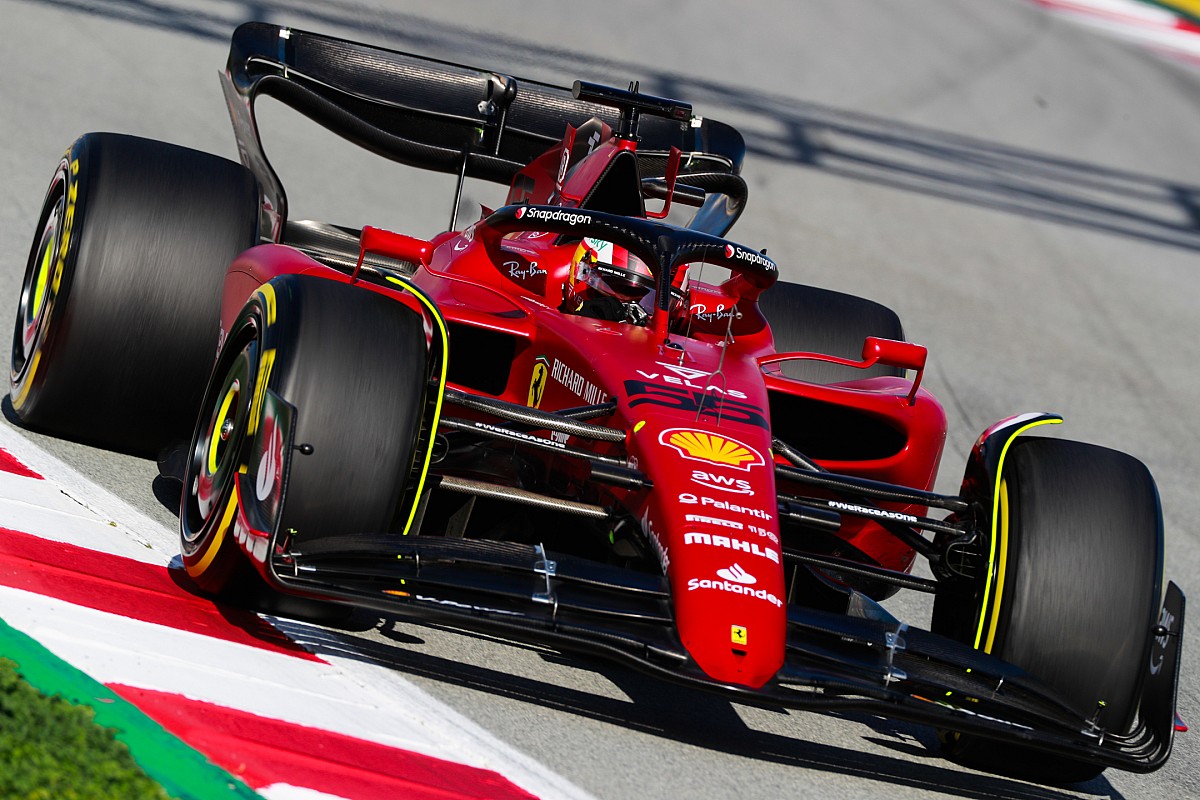
Joining Scuderia Ferrari for the 2021 season was a defining career inflection. At Ferrari Sainz recorded his first Grand Prix win(s), a milestone confirmed by official Formula 1 records and race histories. The Ferrari period represents both confirmation of his development and the fulfilment of a trajectory that began in Toro Rosso: a driver who matured through successive team moves and then translated that maturity into top-tier results when given a competitive platform.
Difficult seasons, interruptions and resilience
No long F1 career is linear. Databases and season summaries reflect seasons where team performance or circumstances limited results; the relevant pattern in Sainz’s palmarès is recovery and adaptation. His capacity to remain a consistent points-scorer across different teams—Toro Rosso, Renault, McLaren, Ferrari and as listed in season histories later entries—indicates resilience and the ability to re-establish performance after setbacks or transitions.
Where Sainz stands in F1 history
Measured against historical greats, Sainz’s totals do not position him among the all-time record holders, but they do place him firmly among the most successful drivers of his generation in terms of a balanced palmarès: race wins, a substantial number of podiums and consistent accumulation of points over many seasons. The statistical picture from multiple reputable sources shows a career that combines longevity with clear peaks—especially after moves to more competitive teams.
Closing interpretation
The story in Carlos Sainz’s palmarès is one of progressive confirmation. Debuting in 2015 with Toro Rosso, he used each team move to refine strengths and to position himself for better results. His tenure at McLaren and the subsequent switch to Ferrari produced the most prominent milestones, including his first Grand Prix win(s). Across databases the aggregate totals—multiple wins, near-three-dozen podiums reported by several sites, a handful of poles and substantial points—paint a portrait of a driver defined as much by consistency and adaptability as by occasional headline victories. For readers seeking to understand Sainz’s place in modern F1: his record shows a reliably high level of performance, a clear capacity to convert improved machinery into career landmarks, and a career trajectory that reads as steady professional confirmation rather than a single meteoric rise.
Author: Alex R.