Why Monaco remains a singular F1 track: circuit logic, setup choices and…
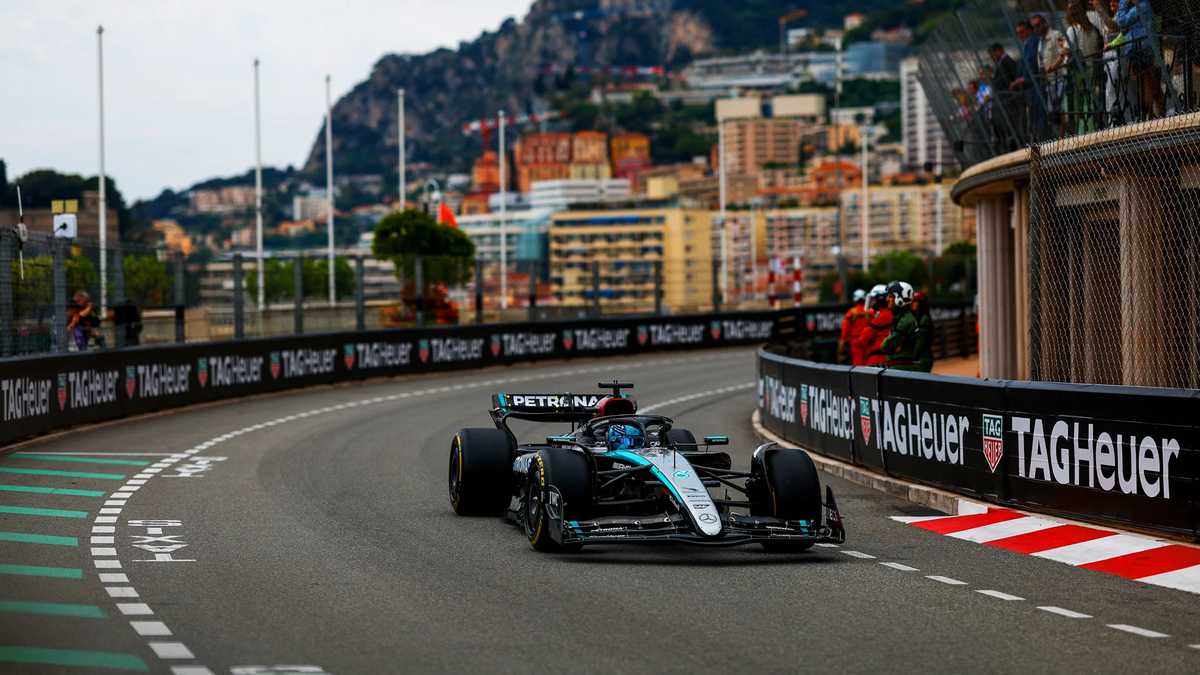
The Circuit de Monaco is the outlier on the Formula 1 calendar: the shortest and slowest track, a street layout that prioritises precision over raw pace, and a race-distance rule that already distinguishes it from standard grands prix. Understanding Monaco in concrete F1 terms means seeing how its tight geometry forces teams to prioritise qualifying, predictability and mechanical grip, and why a handful of corners create the real separation between drivers and teams.
Monaco’s narrow, low-speed layout makes qualifying unusually decisive. Teams run bespoke high-downforce, predictable cars; tyre thermal and abrasive stress is low; track evolution is strong as rubber is laid down on the street surface.
FIRST READING OF THE CIRCUIT
At first glance Monaco’s identity is defined by its constraints: it is the shortest and slowest f1 track on the calendar and, uniquely, operates to a shorter total race-distance rule (approximately 260 km rather than the typical 305 km). The narrow, urban nature of the layout immediately signals that average speed is low, sector-to-sector momentum is interrupted frequently, and absolute straight-line speed is much less relevant than control and repeatability.
CORNER RHYTHM AND SPEED PROFILE
The lap is a stitched sequence of slow-to-medium-speed complexes rather than long high-speed sweepers. That rhythm means teams aim to maximise stability through repeated changes of direction and tight braking–acceleration transitions. Because few sectors allow sustained top-speed, lap time accumulates from small, precise gains in corner entry, apex placement and traction out of slow corners rather than by carrying outright speed down long straights.
BRAKING ENERGY AND TRACTION DEMANDS
Despite the low average speed, braking and traction remain critical on specific stops and exits. The layout forces short, intense brake events followed immediately by tight traction windows; this pattern rewards a predictable rear end and a chassis that lets the driver place the car consistently for the next corner. Teams therefore prioritise car behaviour under braking and on initial throttle application more than peak stopping distances at very high speed.
SETUP TRADE-OFFS AND CAR COMPROMISES
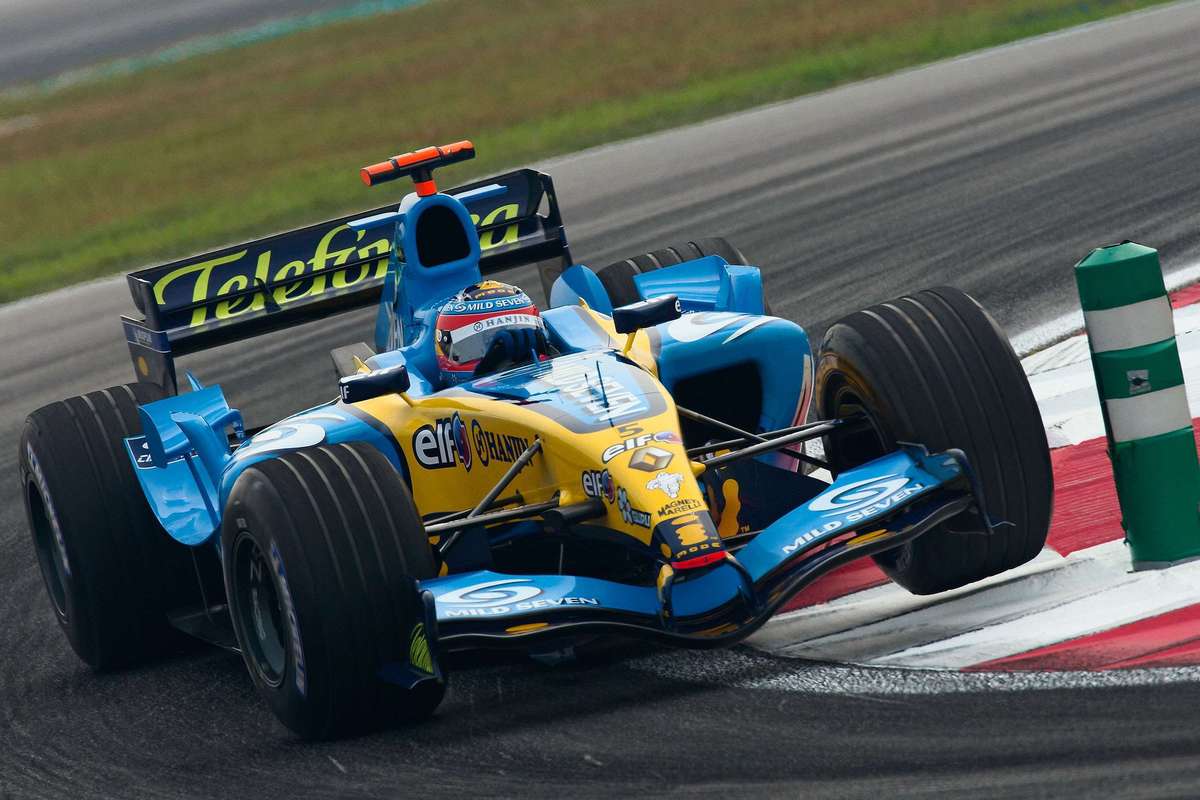
Monaco pushes teams toward a clear setup profile: very high downforce combined with mechanical grip and a focus on predictability. The available evidence suggests high downforce is chosen not primarily to raise cornering g but to shorten braking distances and improve stability through the tight complexes. Ride and damping choices lean toward compliance to handle bumps and cambers in the street surface, while aggressive aerodynamic low-drag tuning is largely irrelevant because the layout does not reward long straights.
Because tyre warm-up and operating windows are sensitive on the street surface, teams trade some peak mechanical grip for a car that brings tyres and axles into temperature reliably. The result is a setup compromise that sacrifices nothing obvious in top-speed but deliberately gains repeatable behaviour across a lap where consistency is the priority.
TYRES, SURFACE, AND TRACK EVOLUTION
Tyre degradation at Monaco is relatively low compared with many modern circuits, which leads teams to favour softer, faster compounds and often to strategies that capitalise on low thermal and abrasive demand. The street surface means grip evolves strongly over the weekend as rubber is laid down; that evolution changes lap-times and driver confidence session by session, so additional track time early in the weekend is exceptionally valuable for setup validation and line optimisation.
HISTORICAL AND TECHNICAL GROUNDING: THE DECISIVE SECTORS
Certain corners and complexes reliably decide lap time and hierarchy. Sainte-Dévote demands a clean, committed entry and sets the tone for the opening sector. The Casino and Beau-Rivage complex requires precise mid-corner balance, while the Fairmont (Loews) hairpin is a key traction test where exit control governs the following run. The tunnel and Portier sequence challenges composition and throttle modulation after a high-compression zone. Finally, the Rascasse and Anthony Noghes final complex are critical: a small time gain here converts directly into lap advantage because it affects the final run to the line.
These documented sections reward minute improvements in stability and repeatability; qualifying therefore becomes disproportionately important because time gained in these tight places is hard to recover in race conditions.
OVERTAKING, DRS, AND RACECRAFT
Overtaking at Monaco is extremely difficult. The narrow lanes, short straights and limited long braking zones combine to make passing rare, so qualifying has an outsized influence on the race result. The operational constraints used at Monaco, including variations in Straight Mode activation zones in recent iterations, also change how teams deploy power and energy-recovery strategies and reduce tactical options that might otherwise aid overtaking. As a consequence, track position and clean qualifying laps translate into strategic control during the race.
CLOSING INTERPRETATION
Monaco remains singular because it rewards a different skill set and engineering response than most grands prix. It emphasises predictability, mechanical grip and micro-optimisation in a way that magnifies the importance of qualifying and line consistency. The circuit’s street-surface evolution, low tyre wear, and tight decisive sectors make it a specialist event — not because speed is absent, but because every element of car setup and driver technique must be tailored to control, not to chase outright velocity.
Author: Eric M.