Why the Italian Grand Prix remains a singular rendezvous in F1
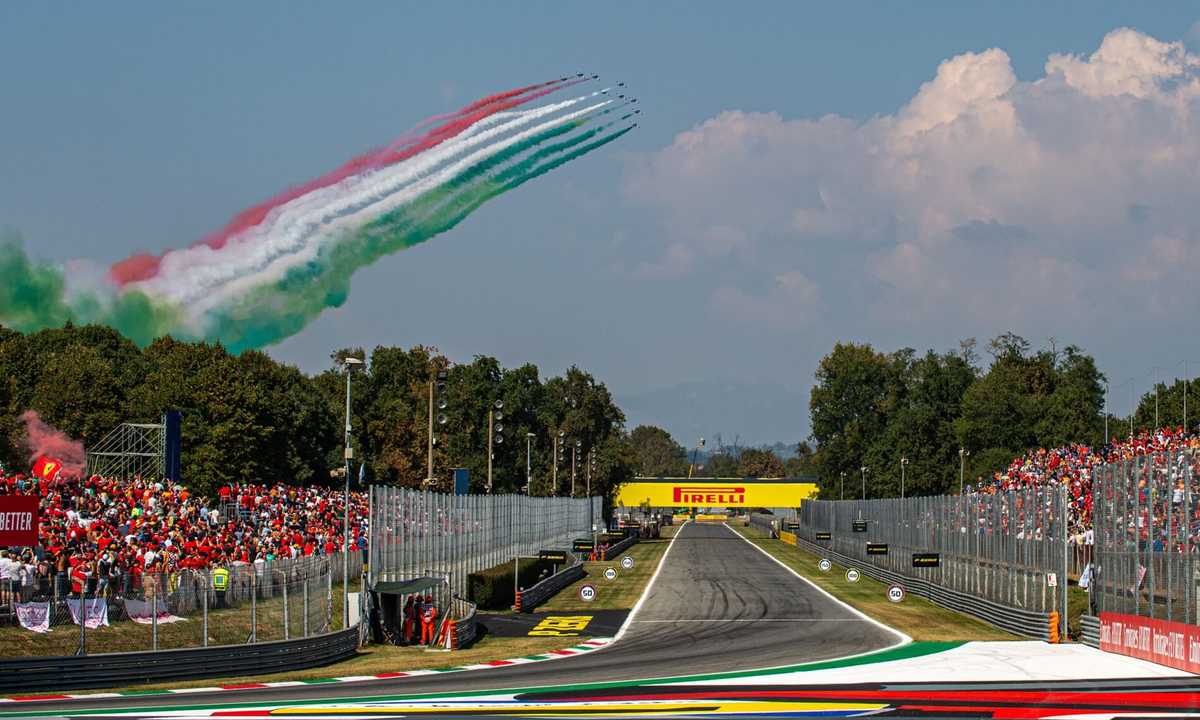
The Italian Grand Prix at Monza is the sport's fastest meeting and a recurring technical outlier. Known as the "Temple of Speed," the circuit's very long straights and high average lap speed force teams into setup choices and race strategies that differ sharply from nearly every other round on the calendar.
Monza's identity is speed-first: one-off low-downforce packages, amplified slipstream/DRS effects, heavy braking into chicanes, and special tyre and kerb considerations after resurfacing.
FIRST READING OF THE CIRCUIT
Monza's immediate visual and technical DNA is speed. The circuit is widely known as the "Temple of Speed" and is the fastest track on the F1 calendar, defined by very long straights and a high average lap speed. That single characteristic dominates almost every technical choice teams and drivers make during a race weekend.
CORNER RHYTHM AND SPEED PROFILE
The lap alternates between momentum-hungry high-speed sections and short, intense braking zones. Key locations that disproportionately affect lap time include the Lesmo sequence, the Parabolica/Curva Grande area and the chicanes between long straights. Time is often gained or lost on corner exit speed because those exits feed the next long straight where slipstream and pure top speed amplify small differences.
SETUP TRADE-OFFS AND CAR COMPROMISES
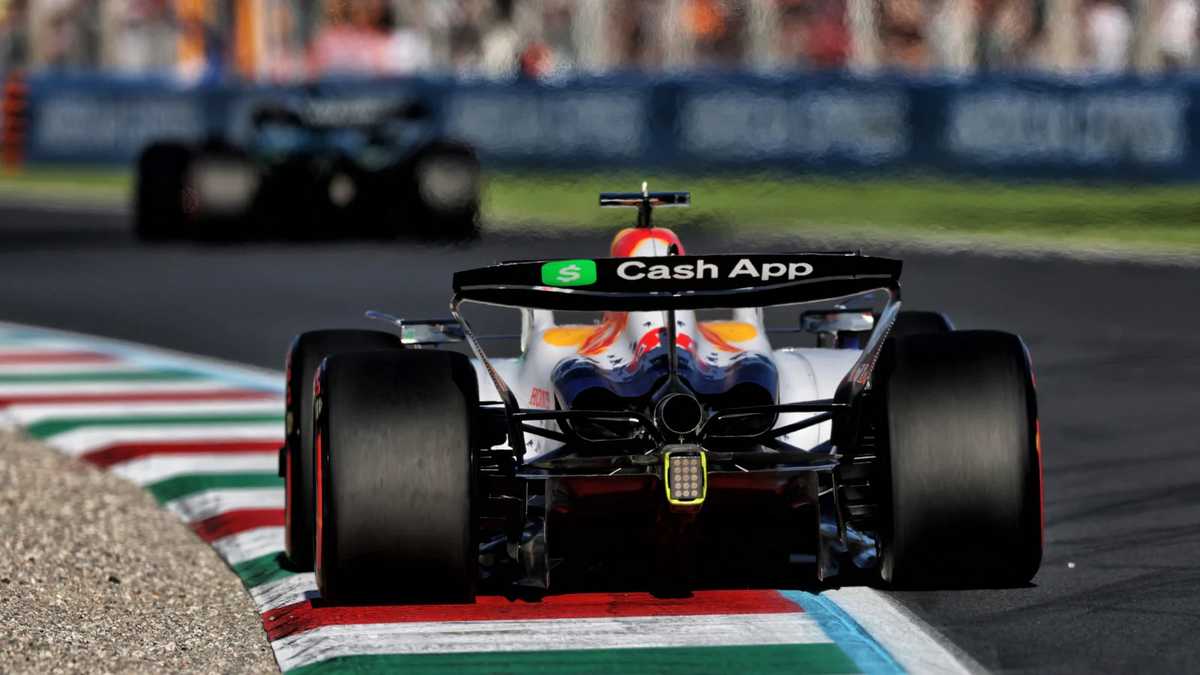
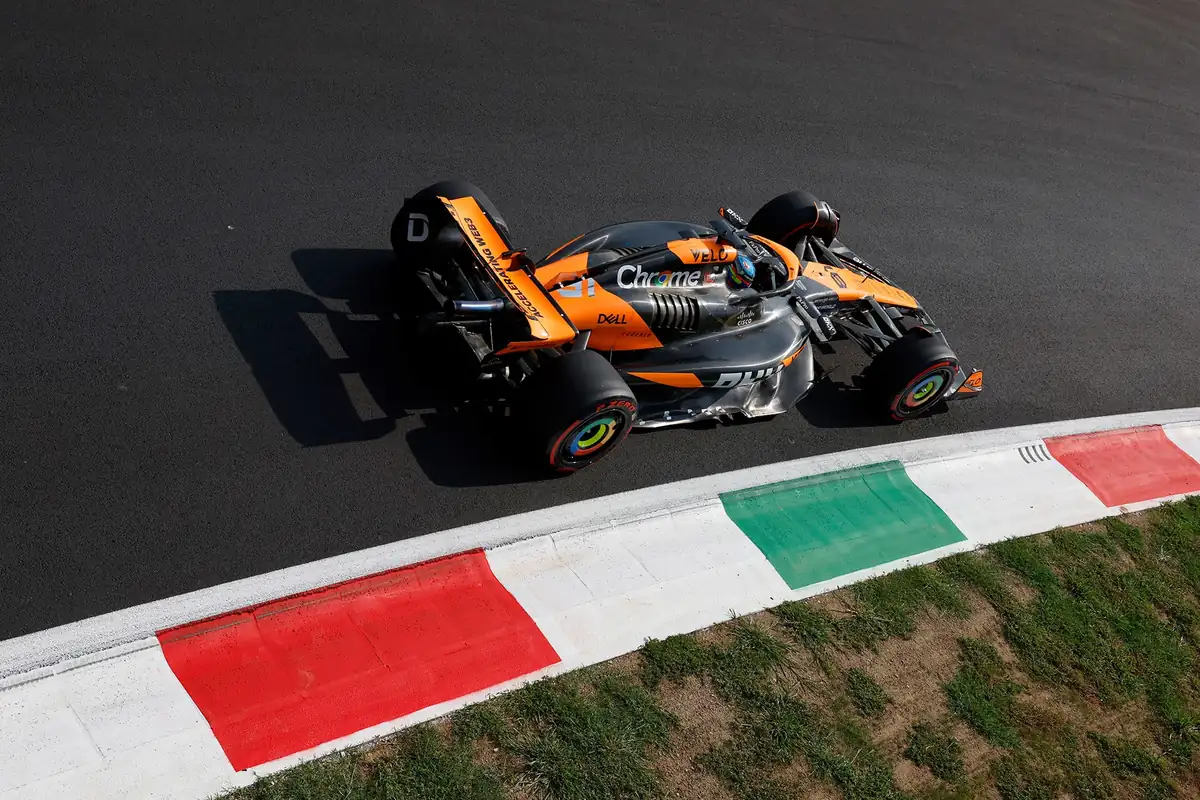
Because the layout rewards top speed, teams bring very low-downforce aero packages specific to Monza. The verified evidence shows one-off low-drag rear wings and other devices are commonly developed for this circuit and used only here. The trade-off is clear: reducing drag improves straight-line speed but lowers cornering downforce, making the car more sensitive through the Lesmos and Parabolica where mechanical grip and balance matter.
Suspension and ride settings also shift toward softer mechanical setups to aid traction out of slower, twistier parts, yet teams must preserve low drag. That compromise raises the risk of ride-related issues over kerbs and after resurfacing, which in turn affects plank wear and underfloor behaviour.
BRAKING ENERGY AND TRACTION DEMANDS
Monza's combination of extremely high approach speeds and hard stops into chicanes creates elevated demands on brakes and brake cooling. The heavy braking zones follow long full-throttle runs, so brake package choices and cooling balance become a critical setup variable. Traction is equally important: clean, fast exits from Lesmo and Parabolica determine the top-speed that follows, so rear-end stability and differential setup are decisive for lap time.
TYRES, THERMAL LOAD, AND STINT SHAPE
Pirelli and technical previews emphasize tyre choice and degradation as central to Monza strategy. The long straights reduce lateral tyre stress but the braking, kerbs and resurfacing increase thermal and structural loads locally. Tyre compound selection thus influences whether teams attempt one-stop or two-stop strategies, and resurfacing or kerb flattening in recent years has altered how much teams worry about plank and undercarriage wear.
OVERTAKING, DRS, AND RACECRAFT
Slipstreaming is a dominant race factor at Monza. The long straights magnify small differences in straight-line speed or corner-exit speed, and combined with DRS this makes tow-based passes and strategic positioning crucial. Because a single fast exit can be amplified down the straight, drivers and teams focus on maximizing those exits rather than on pure cornering lap time alone.
Consequently, track position and tow management often outweigh traditional corner-to-corner racecraft: the available evidence shows that teams tailor race plans to exploit slipstream and DRS windows rather than rely solely on mechanical passing under braking.
CLOSING INTERPRETATION
Monza remains singular in modern Formula 1 because its physical layout forces extreme, circuit-specific solutions. One-off low-drag aero packages, intense brake cooling needs, heightened sensitivity to corner-exit speed at Lesmo and Parabolica, and tyre/kerb effects after resurfacing all combine to create a weekend that rewards a particular technical and strategic approach. Understanding Monza means recognising that raw top speed and how teams get it — not just ultimate cornering — decide the competitive order.
Author: Cynthia D.