How Ferrari F1 Cars Demand a Particular Driver Adaptation: Balance, Braking…
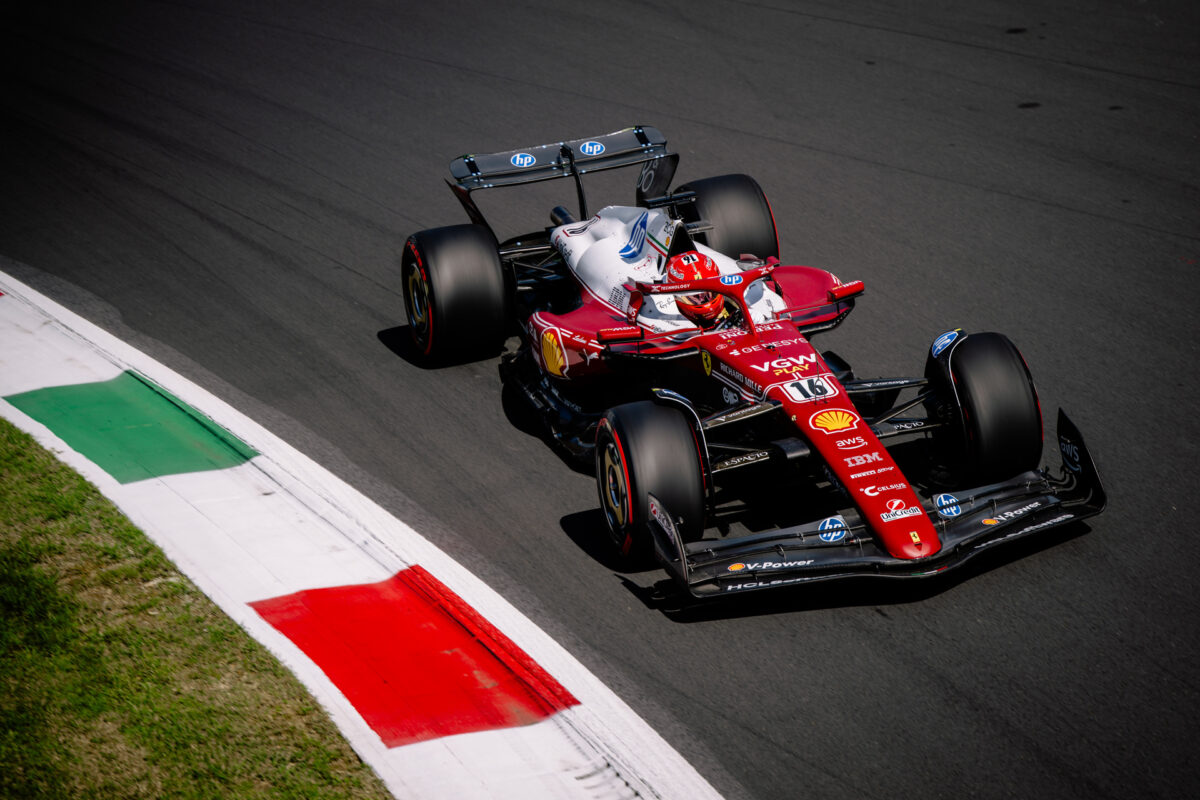
Ferrari-designed Formula 1 cars in recent seasons have been repeatedly described by drivers, analysts and technical commentators as machines that ask very specific things of their pilots. That demand sits at the interface of chassis balance, brake and engine-braking behaviour, traction and a car’s usable or "working" window.
Short summary: Drivers such as Carlos Sainz and Charles Leclerc have said Ferrari cars required adaptation, particularly around braking and balance. Technical commentators characterise recent Ferrari designs as "peaky" with a relatively narrow working window, so adaptation is both driver technique and team setup work.
What the car asks from the driver
Public reporting and driver comments make clear three practical demands come from recent Ferrari designs: precise braking inputs, a need for confident front-end rotation, and careful throttle application to manage rear traction. These are not abstract traits — they translate directly into how a driver approaches corner entry, apex and exit.
Braking: drivers have noted Ferrari cars required changes in braking technique. That includes adapting to pedal feel, brake bias and how the car behaves under heavy deceleration. Braking confidence is essential because inconsistent feel at the pedal or shifting balance under braking forces drivers to alter their reference points and braking windows.
Front-end bite and rotation: technical commentators highlight how car rotation (the ability to pivot the car into a corner) is a key determinant of lap time. A car that asks for a particular way of initiating and sustaining rotation will reward drivers who can reproduce that sequence consistently; it penalises those who cannot make the frontend hook reliably in corners.
Rear stability and traction: engine-braking characteristics and throttle behaviour affect rear grip. Drivers have publicly contrasted differing engine-braking feel when moving between cars, which requires adapting throttle and trail-braking habits to keep the rear stable through turn-in and on exit.
Where the style match can be immediate
When a driver’s natural technique already emphasises smooth, precise inputs and an ability to find a narrow sweet spot at corner entry, the fit to a peaky Ferrari can be rapid. Drivers comfortable with progressive brake application and exact steering inputs tend to extract qualifying performance when they can impose their rhythm on the car.
Technical analysis has shown that when setup and tyre temperatures fall inside the car’s working window, a driver who matches those demands gains a clear reward: quicker rotation and stronger single-lap pace. That explains why initial impressions of a car can look promising in qualifying if the driver quickly finds the correct brake-feel threshold and balance.
Where adaptation becomes difficult
Problems arise when the car’s usable window is narrow. Several technical commentators have described recent Ferrari designs as "peaky" or having a limited operating range. In practice that means small deviations in setup, tyre temperature or track conditions can push the car outside its optimal behaviour.
When the window closes, drivers must compensate: adjust braking points, change the way they transfer load between front and rear, or alter throttle application to protect traction. That is harder to do consistently across an entire race weekend, especially when tyre degradation, fuel loads and track evolution change the car’s response.
Why adaptation takes time
Adaptation is multi-layered. Drivers adapt by changing technique — for example, shifting from a later, harder brake application to more progressive or earlier braking to manage rotation and rear stability. But adaptation is also an organisational process: engineers change setup directions, and pitwall feedback refines the compromise between qualifying extraction and race comfort.
Technical writers and ex-engineers note teams try to broaden a car’s usable window; Ferrari has been analysed as actively working on design changes aimed at widening that window. Such developments can reduce the amount a driver must change their natural style, but they typically take iterations of testing, race mileage and setup evolution before the benefits appear consistently.
Team and engine interaction
Engine-braking behaviour is a defined factor in the verified material. Drivers have reported different engine-braking characteristics when changing cars, and analysts have connected those differences to balance and traction. Because the power unit’s engine-braking affects how quickly the rear slows relative to the front, its feel changes the whole entry/turn-in dynamic.
The adaptation process therefore includes PU calibration and in-lap strategies, as well as typical chassis setup choices. Observers and former personnel emphasise that adaptation is both driver-side (technique) and team-side (setup and communication). A quicker, clearer feedback loop from pitwall to driver helps accelerate the process of finding the compromise between qualifying pace and race drivability.
Tyres: qualifying extraction versus race comfort
Analyses link the working window to tyre management. A peaky car that is easy to extract over one lap can become difficult over a stint if it places tyres outside their optimal temperature band or causes rapid local degradation. The consequence is a tension between setup for qualifying and setup for race longevity.
Drivers must therefore learn when to push for single-lap performance and when to trade a bit of immediate pace for a more forgiving balance in traffic and through long runs. Teams try to help by changing setup ranges, but the driver’s technique — particularly trail braking and throttle modulation — remains a decisive variable.
What the observable evidence says about the fit
Public comments from Ferrari drivers indicate that adaptation is a recurring theme rather than a one-off issue. The documented pattern is: drivers notice braking and balance differences, they alter technique, and the team investigates setup and aerodynamic directions to widen the usable range. Technical commentaries describing Ferrari as working to broaden the working window support the view that adaptation is both an individual and collective effort.
That pattern matters on weekends where track evolution and tyre behaviour vary strongly. When a driver and team find a consistent setup and pedal feel, performance follows. When they do not, the car’s peaky nature can amplify small errors or changes, making the adaptation process visible in lap-time inconsistency or tyre wear.
Key takeaways: Ferrari cars in the verified commentary demand precise braking, a clear front rotation and careful throttle control — traits that reward drivers who can find and hold a narrow operating window. Adaptation is technical and human: it blends driving technique, power-unit characteristics and the team’s ability to widen the car’s usable range through setup and development.
Author: Eric M.