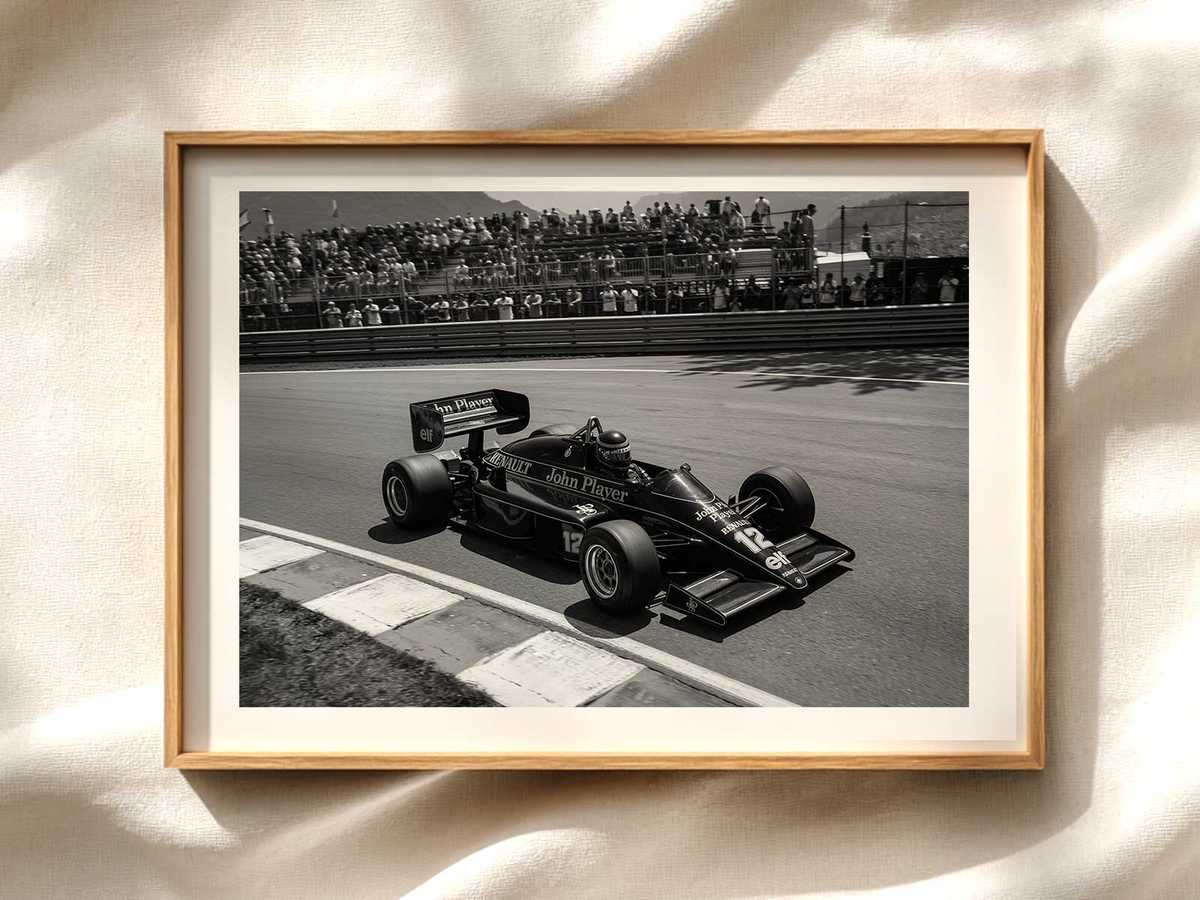
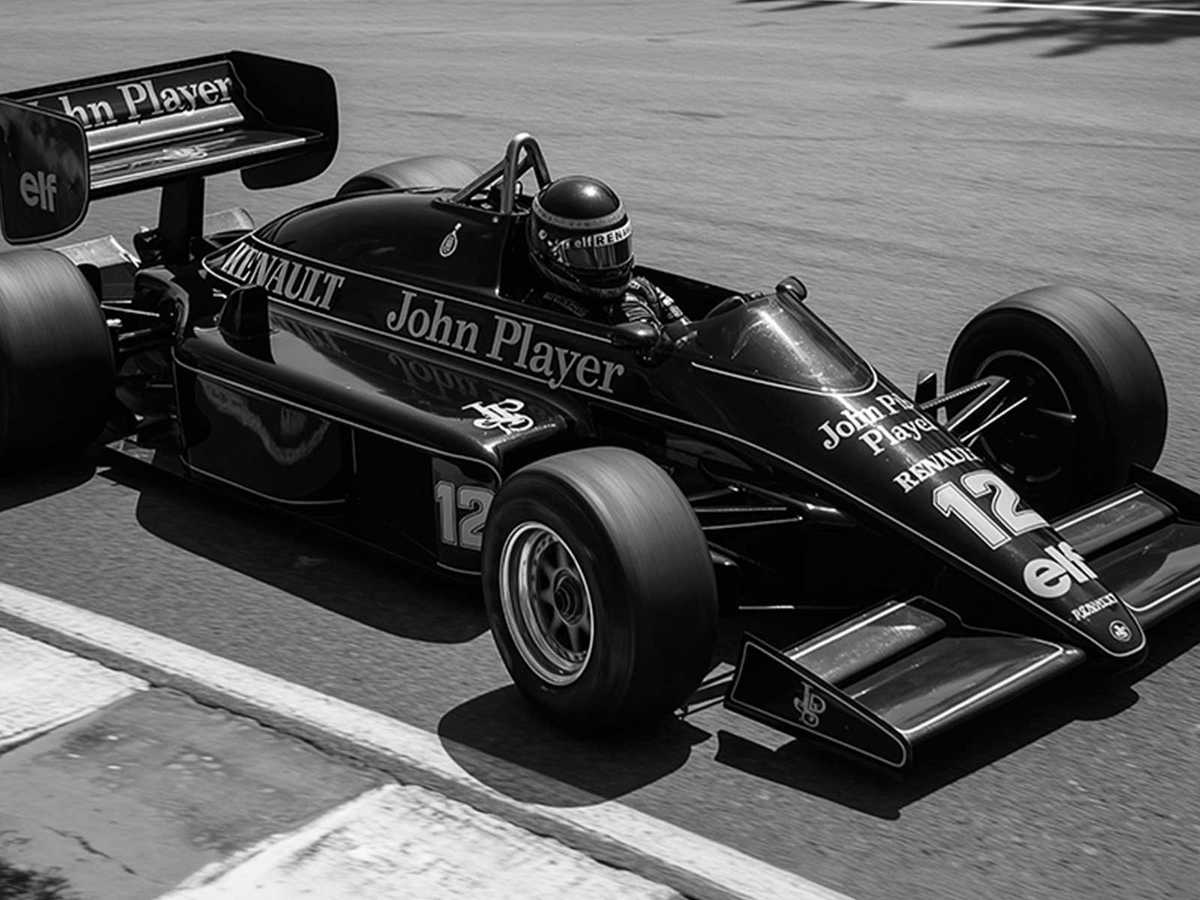
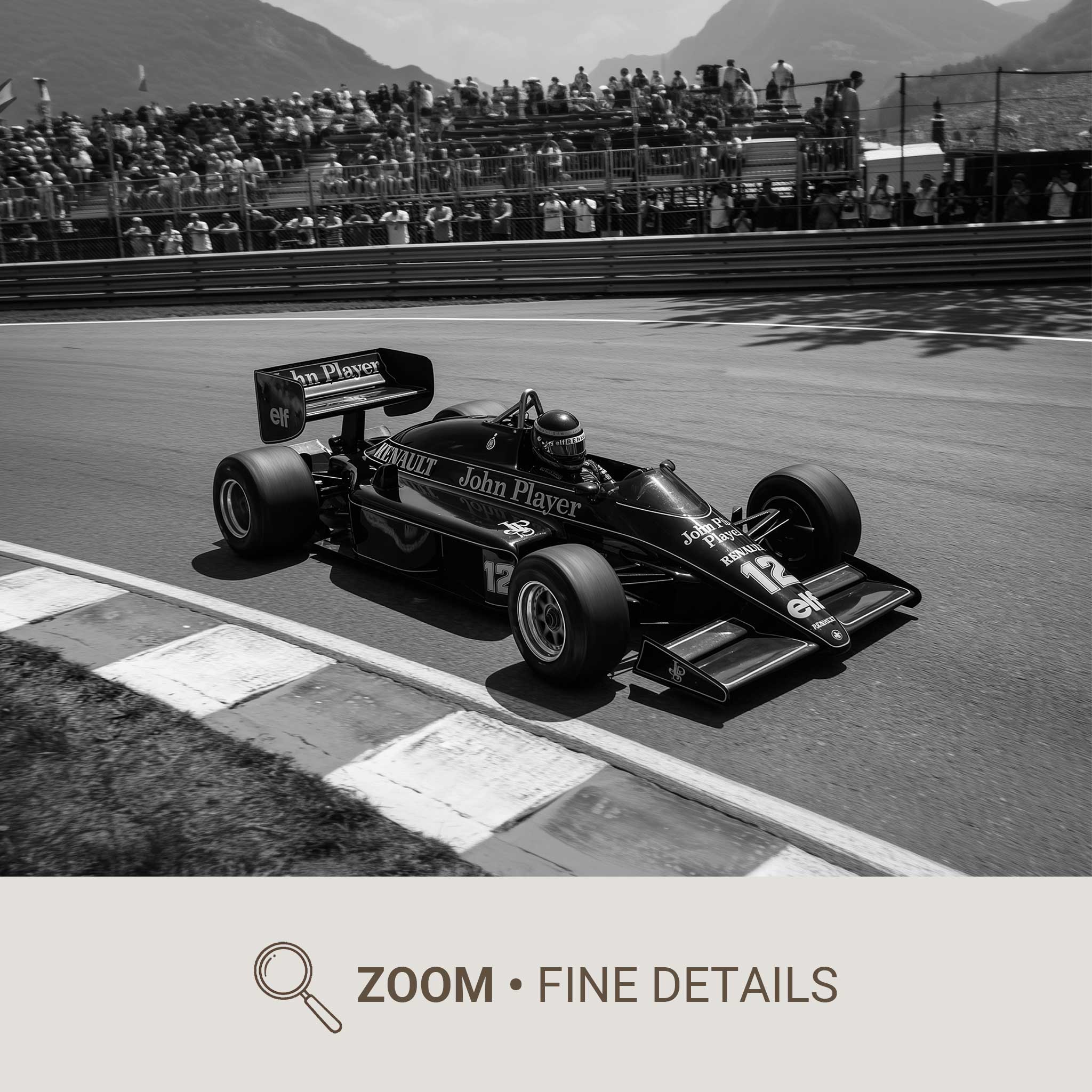
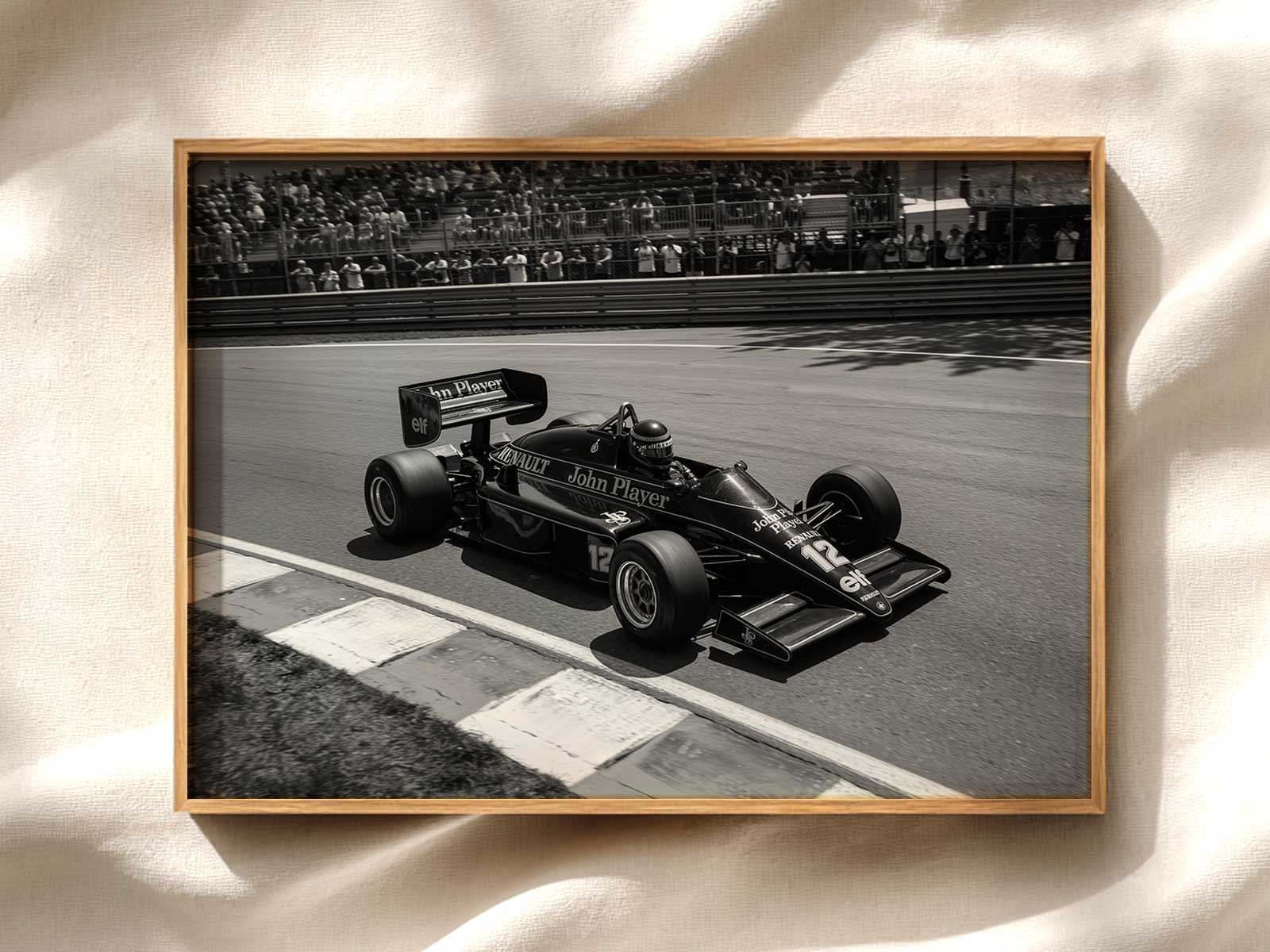
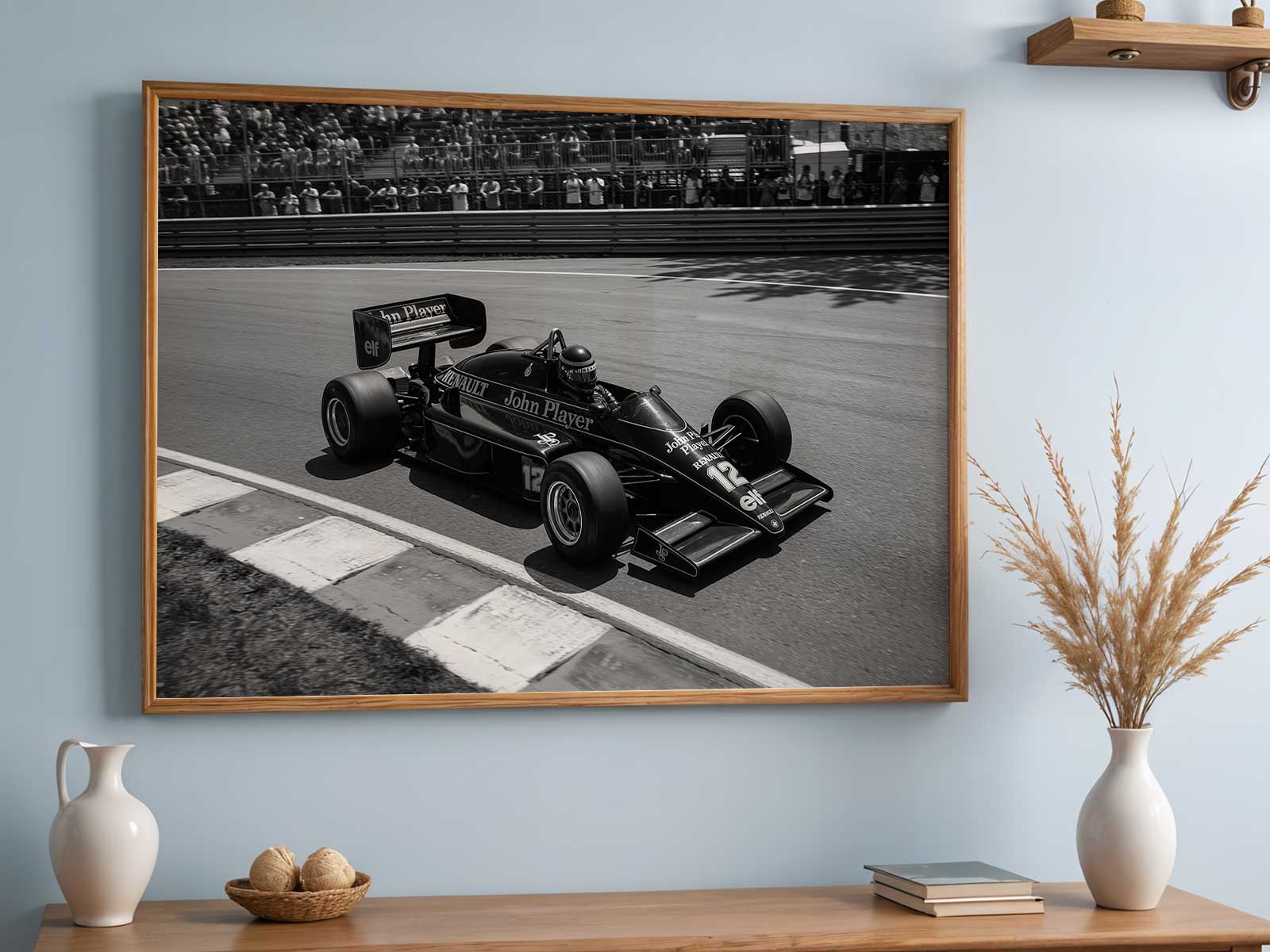
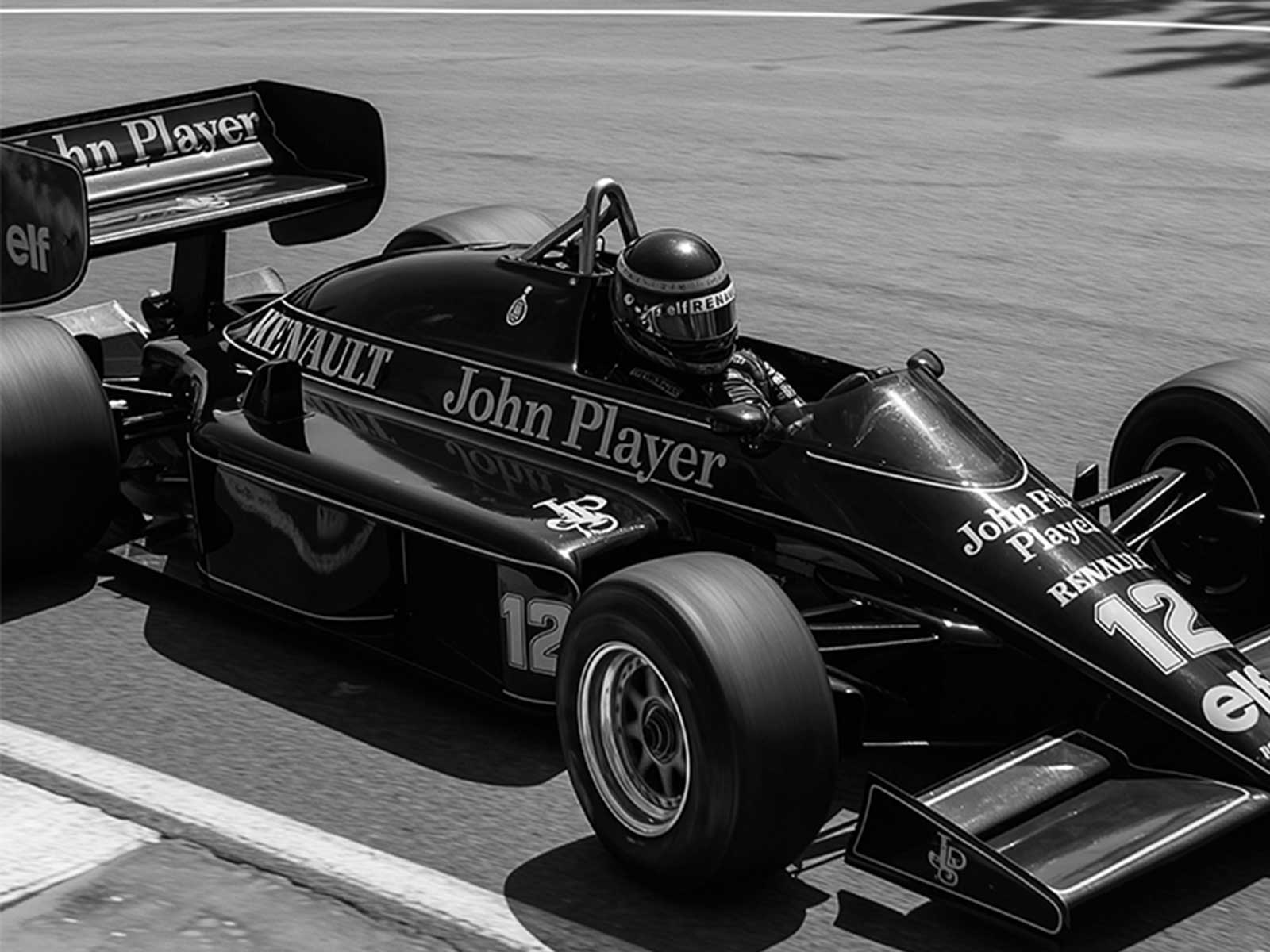
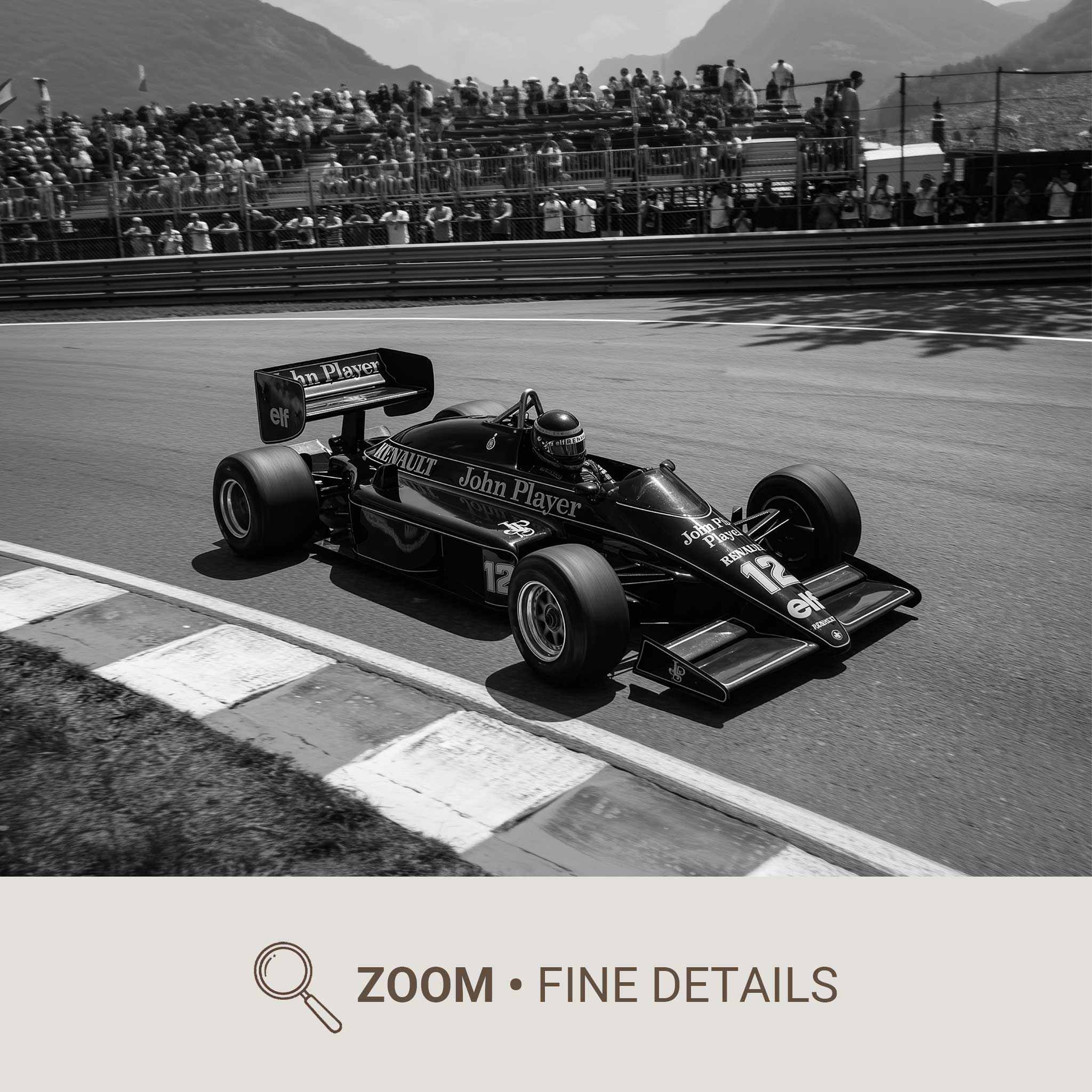
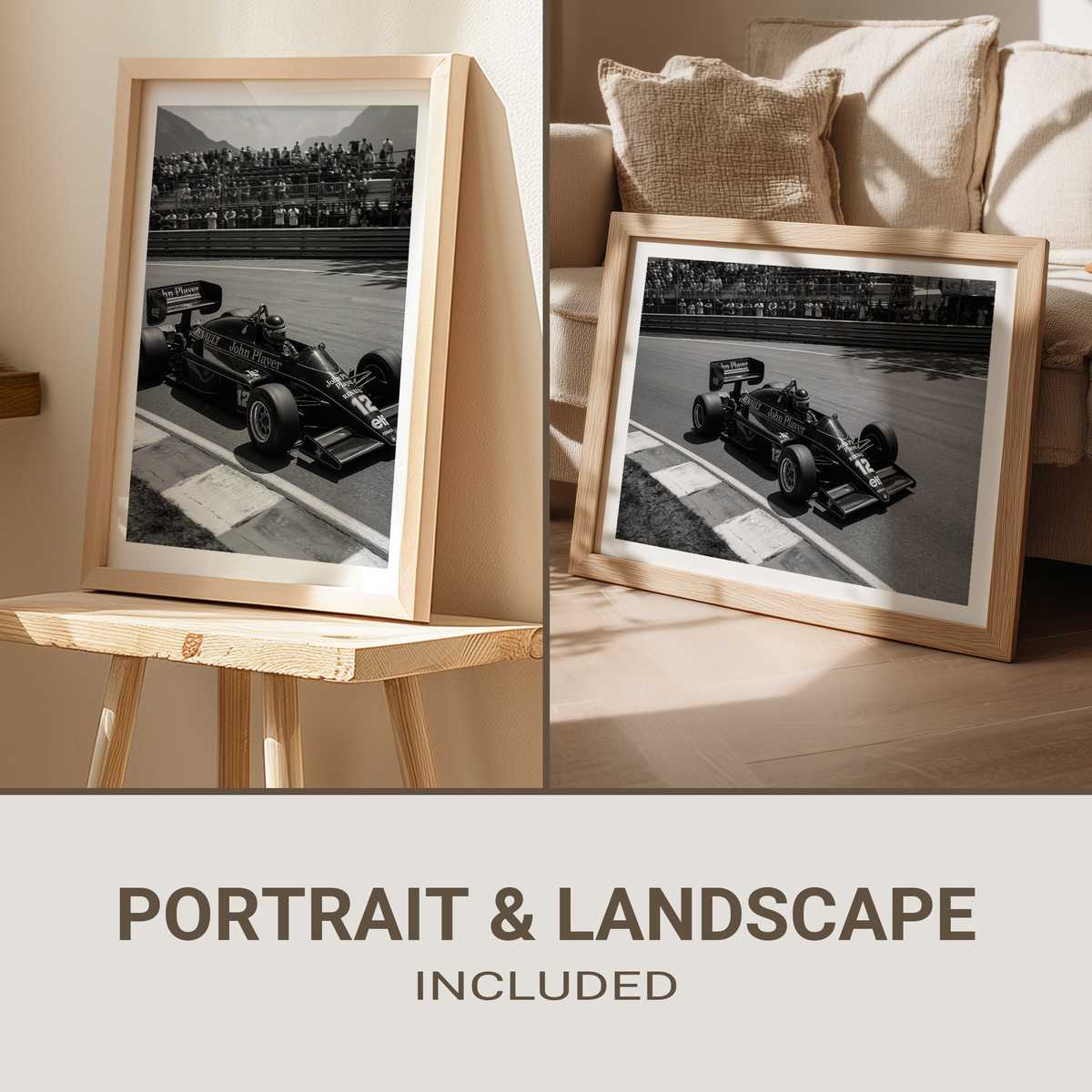
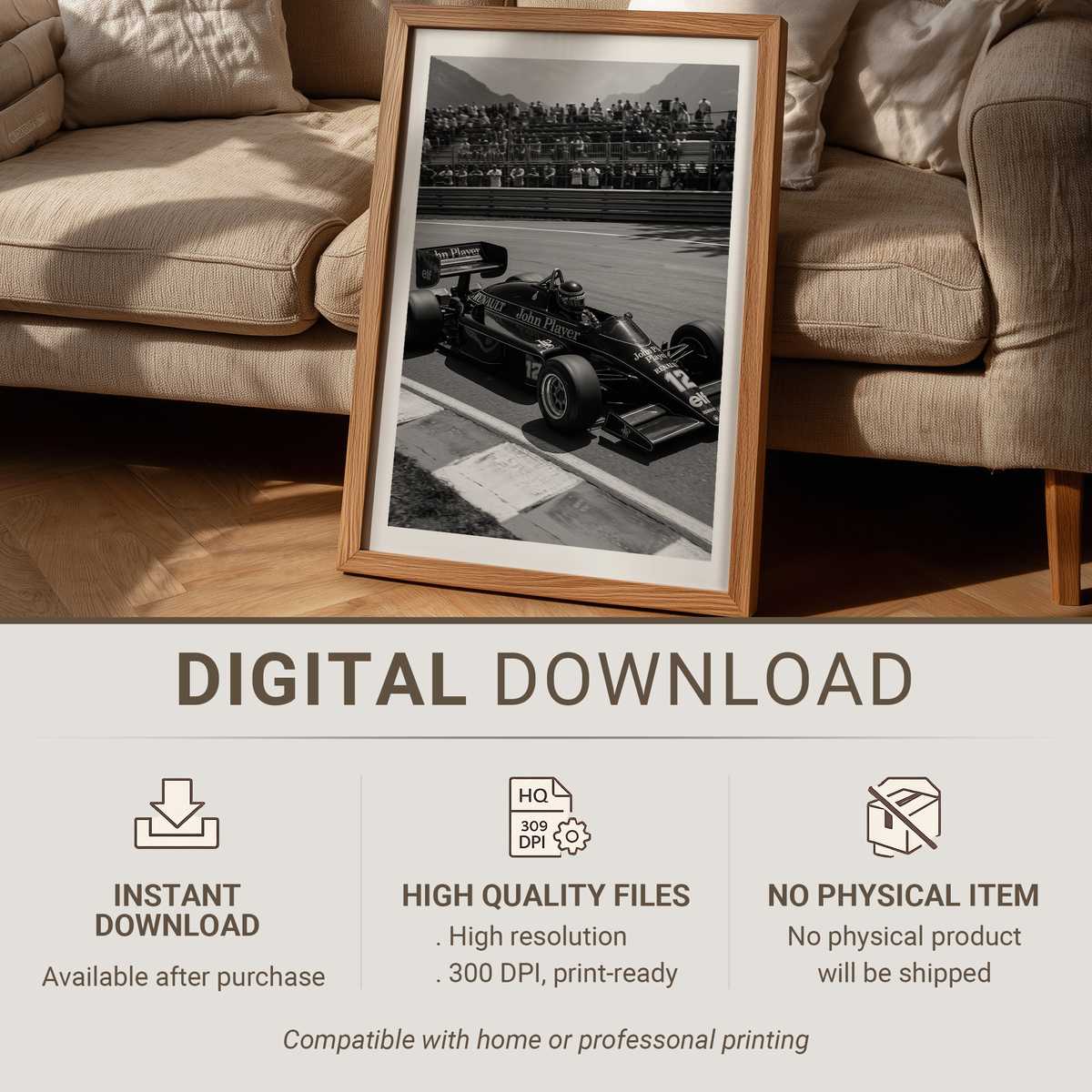
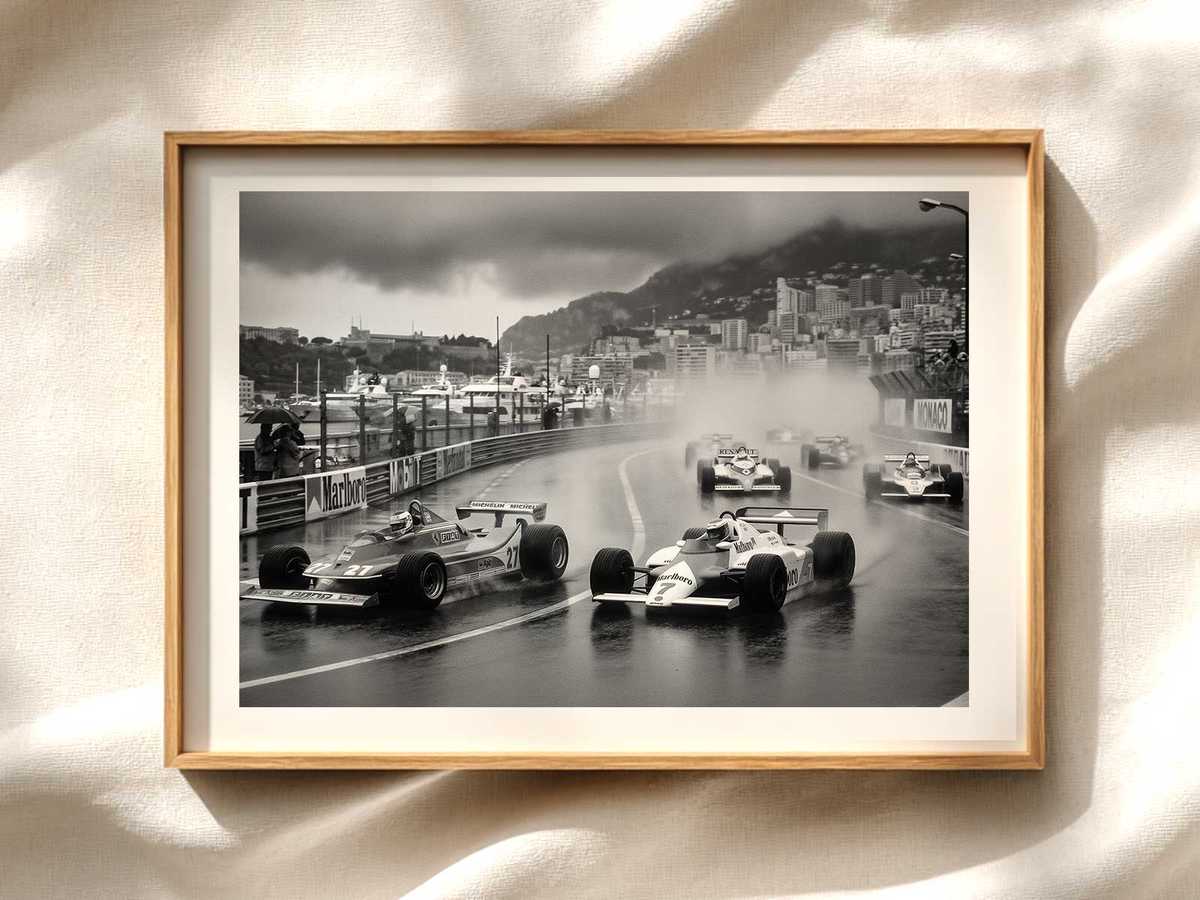
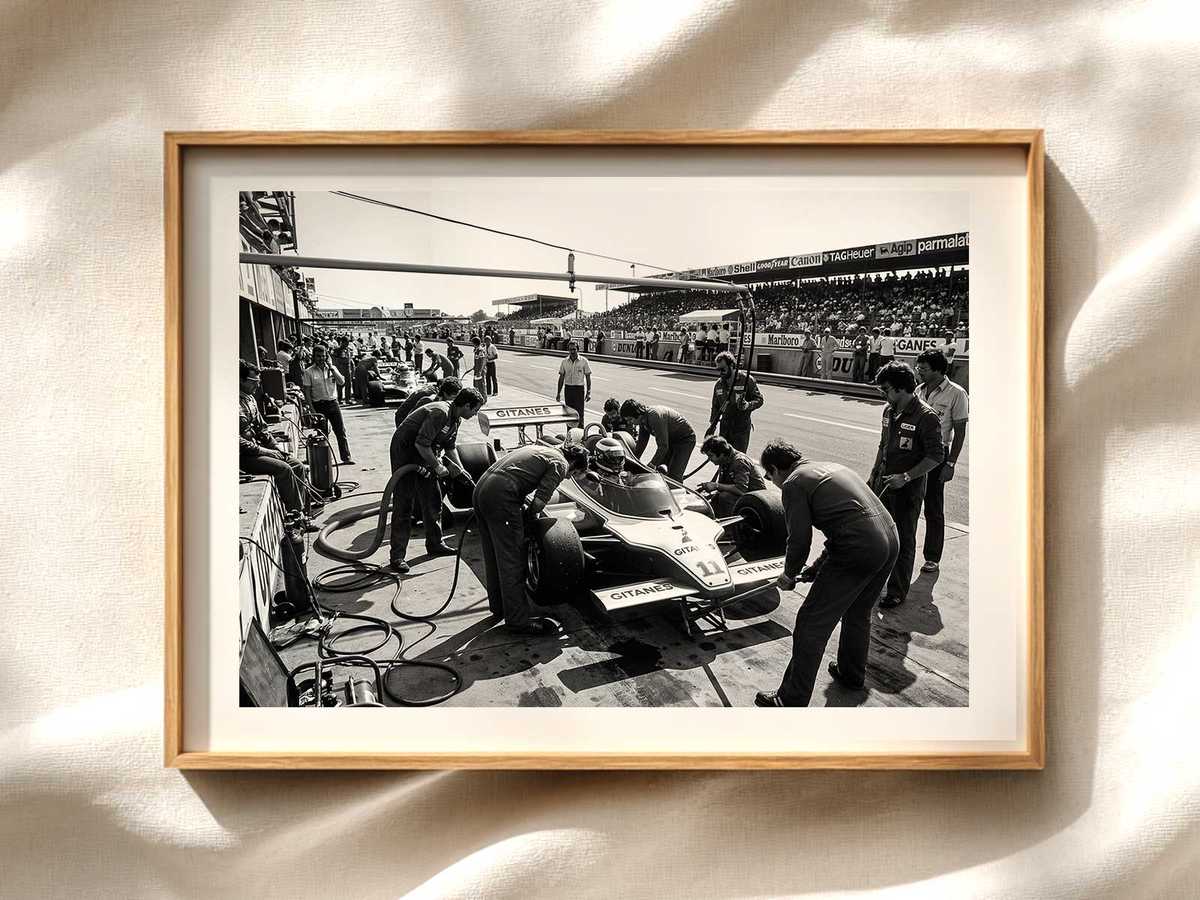
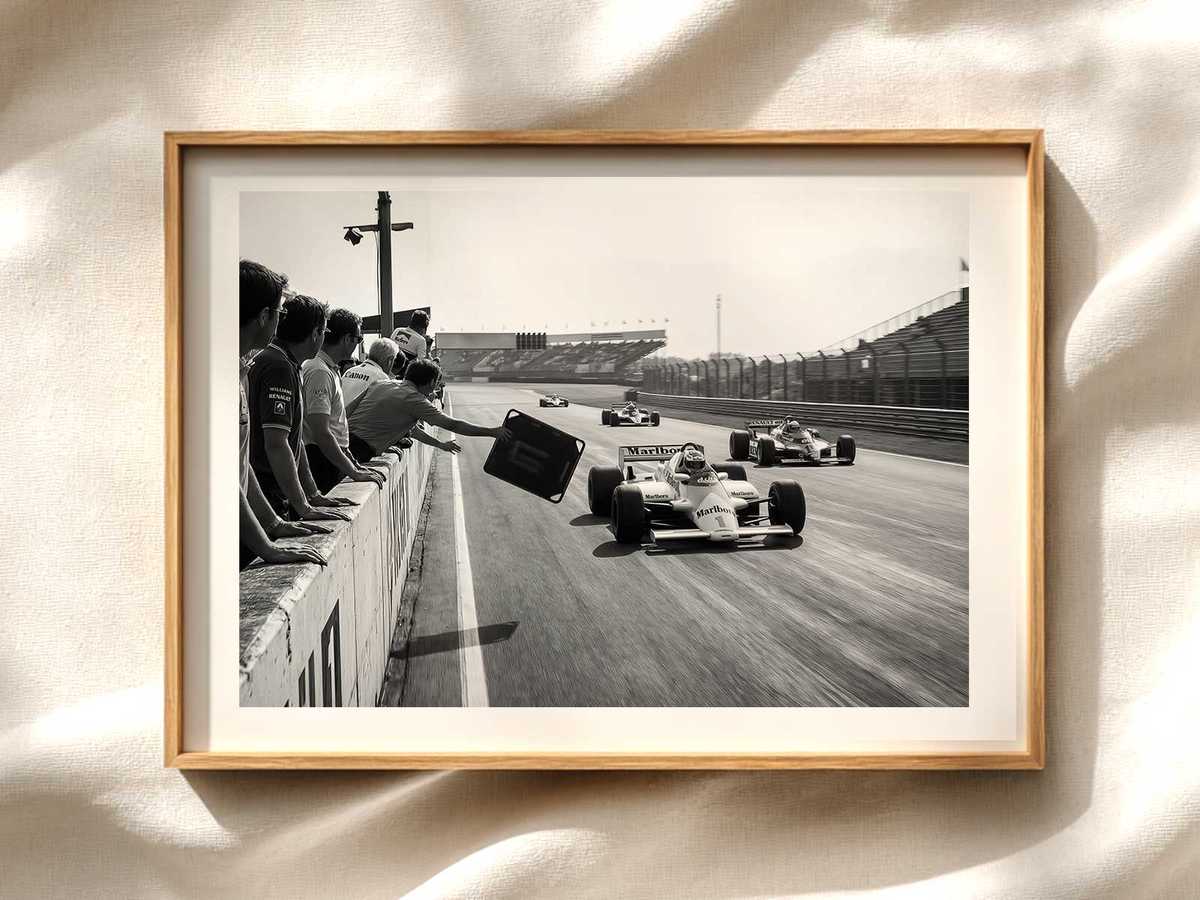
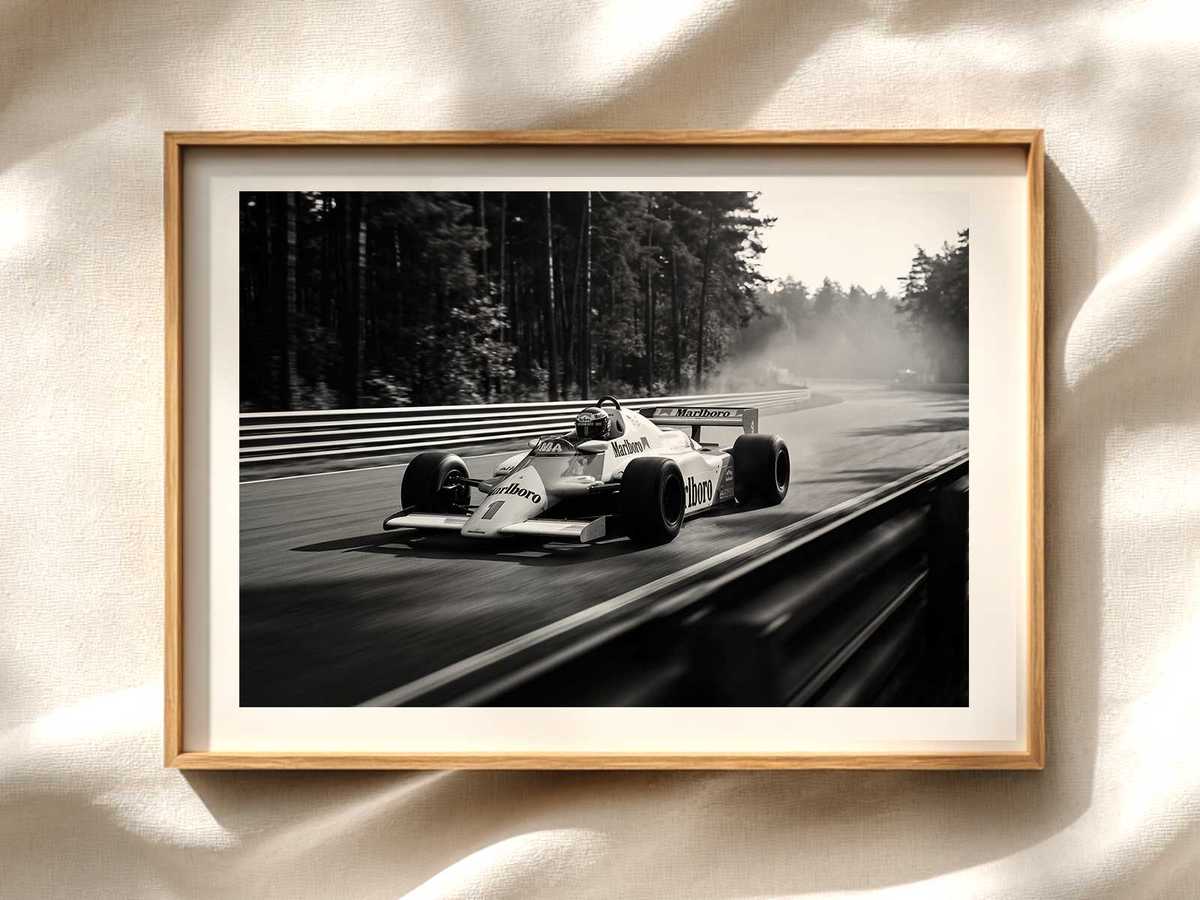
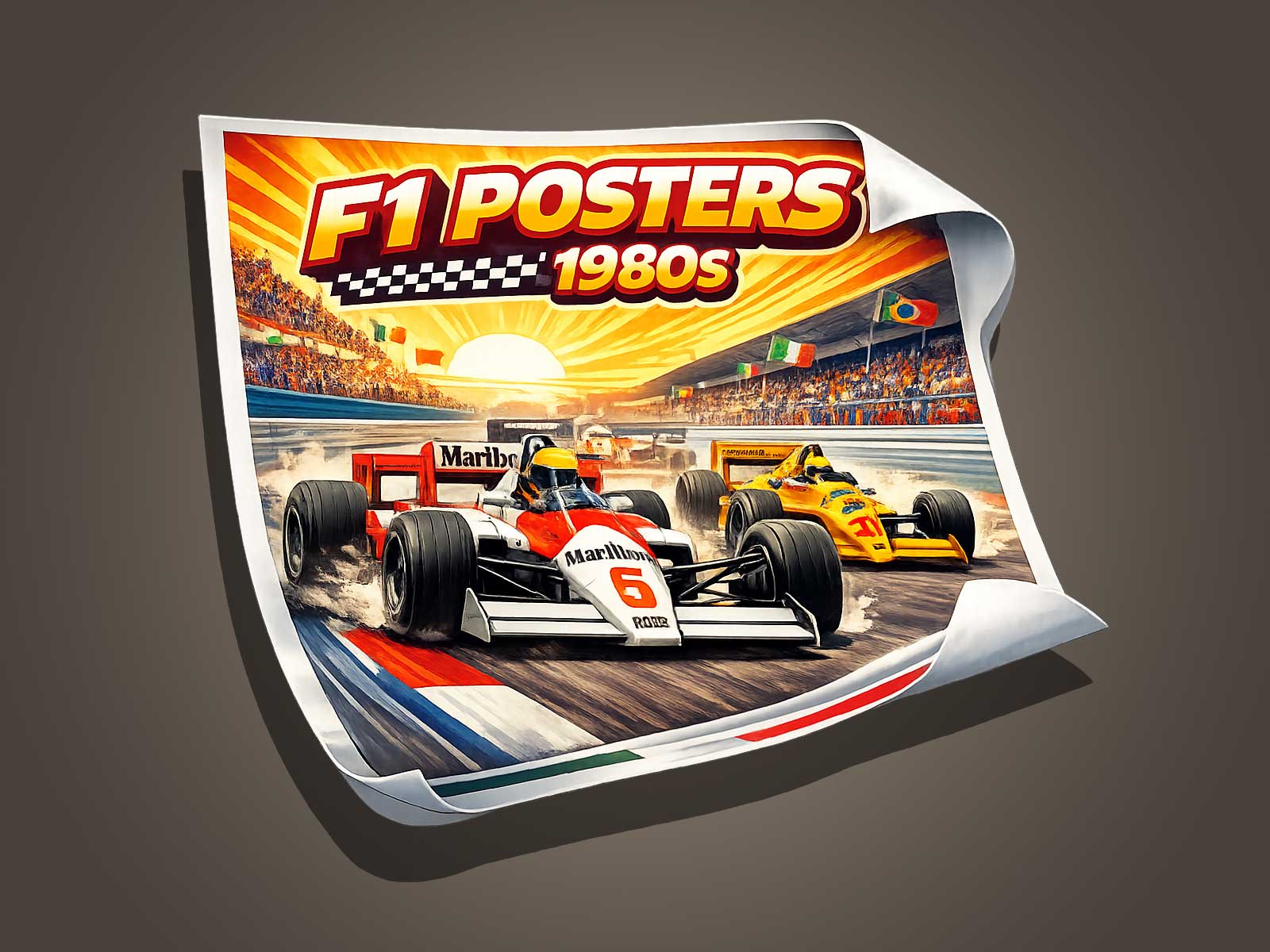
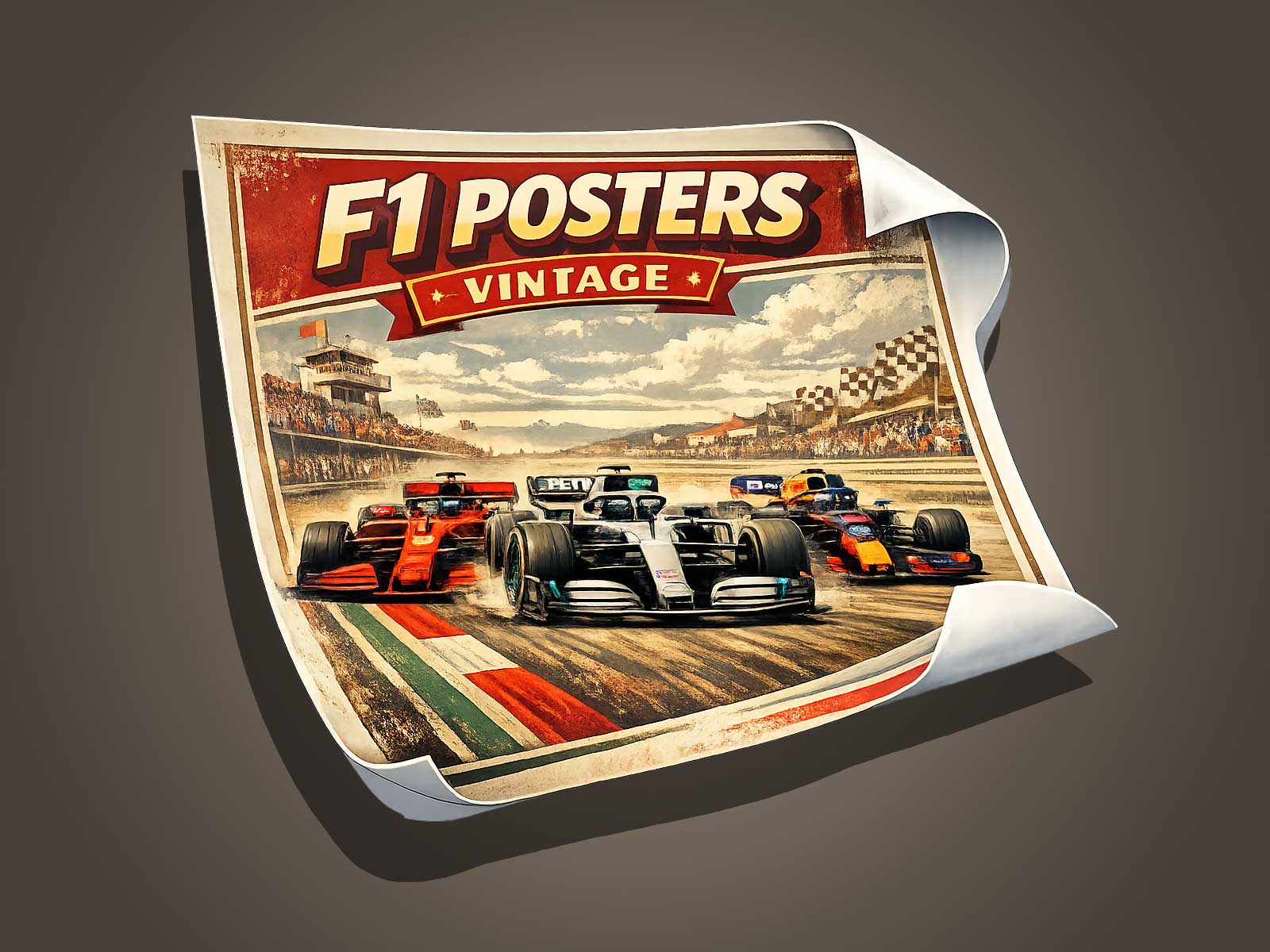
The Lotus Formula One car has an uncanny ability to dominate an image without context of a track. In poster design, the car’s silhouette, liveries, and cues of motion combine to tell a story of performance and heritage. This article breaks down how those visual elements work together so designers, collectors, and enthusiasts can better read — and create — compelling F1 artwork centered on the car itself.
Why focus on the car rather than the circuit?
When the primary subject is a race car, viewers bring expectations about speed, engineering, and identity. While the keyword 'f1 race tracks' suggests place, a poster that centers the car instead of the circuit captures the emotional shorthand people associate with racing. The Lotus shape, its distinctive livery, and compositional speed cues allow the vehicle to function as an icon — immediately recognizable and evocative even without track context.
Silhouette: the shorthand of a racing identity
The silhouette is the first visual clue a viewer reads. Lotus cars often feature low, slender noses, tightly packaged bodywork, and exposed aerodynamic appendages. For poster art, exaggerating the negative space around the car or isolating the profile against a clean background will amplify recognition. Key silhouette components to highlight:
- Proportion of nose to rear: a long, low nose implies aggression and forward thrust.
- Wing and sidepod contours: crisp edges communicate technical precision.
- Tire placement and open wheels: the negative spaces between wheels and body emphasize the vehicle’s purpose-built geometry.
Color and livery patterns carry heritage and brand. Lotus liveries are often bold but restrained, using contrasts to emphasize form. In artwork, livery does several jobs simultaneously: it signals team identity, reinforces shape, and guides the eye along aerodynamic lines. When designing or evaluating a poster, consider these visual treatments:
- Contrast zones: light-on-dark panels can be used to define curvature and break up flat planes.
- Sponsor placement and typography: simplified or stylized sponsor blocks can be treated as graphic elements rather than literal ads.
- Historical palette cues: referencing a classic color scheme evokes era and lineage without verbatim historical reproduction.
Conveying speed without track details
Speed is as much a visual construct as a physical one. A Lotus poster that communicates velocity does so through composition, blur treatment, and perspective rather than relying on background elements. Effective techniques include:
- Low camera angles and foreshortening to exaggerate scale and pull the viewer into motion.
- Directional blur and streaks aligned with the car’s axis to indicate momentum, used sparingly to avoid obscuring the silhouette.
- Dynamic cropping, where parts of the car extend beyond the image frame, implying continuation of motion beyond the poster’s edges.
Balancing detail and graphic clarity for posters
Poster art needs to work at a distance, so detail must be chosen selectively. Emphasize recognizability over technical completeness. For Lotus-themed prints, prioritize:
- Clear, strong outlines of the car’s major planes.
- High-contrast livery elements that survive scaling down.
- Minimal background noise to keep attention on the vehicle’s form.
Composition tips for selling posters
When composing for e-commerce or wall art, make visual hierarchy do the selling. Place the car where it naturally draws the eye — typically along the lower third or diagonally across the canvas — and use negative space to suggest speed and exclusivity. Consider a palette and typography that complement the livery without competing with it.
Closing: reading the Lotus as visual shorthand
A Lotus F1 car communicates through shape, color, and implied motion. For designers and collectors, understanding these visual cues helps in creating posters that feel authentic and exciting even when the actual race track is absent. The car itself becomes the racetrack in miniature: a distilled promise of speed, precision, and history rendered in silhouette, livery, and momentum.
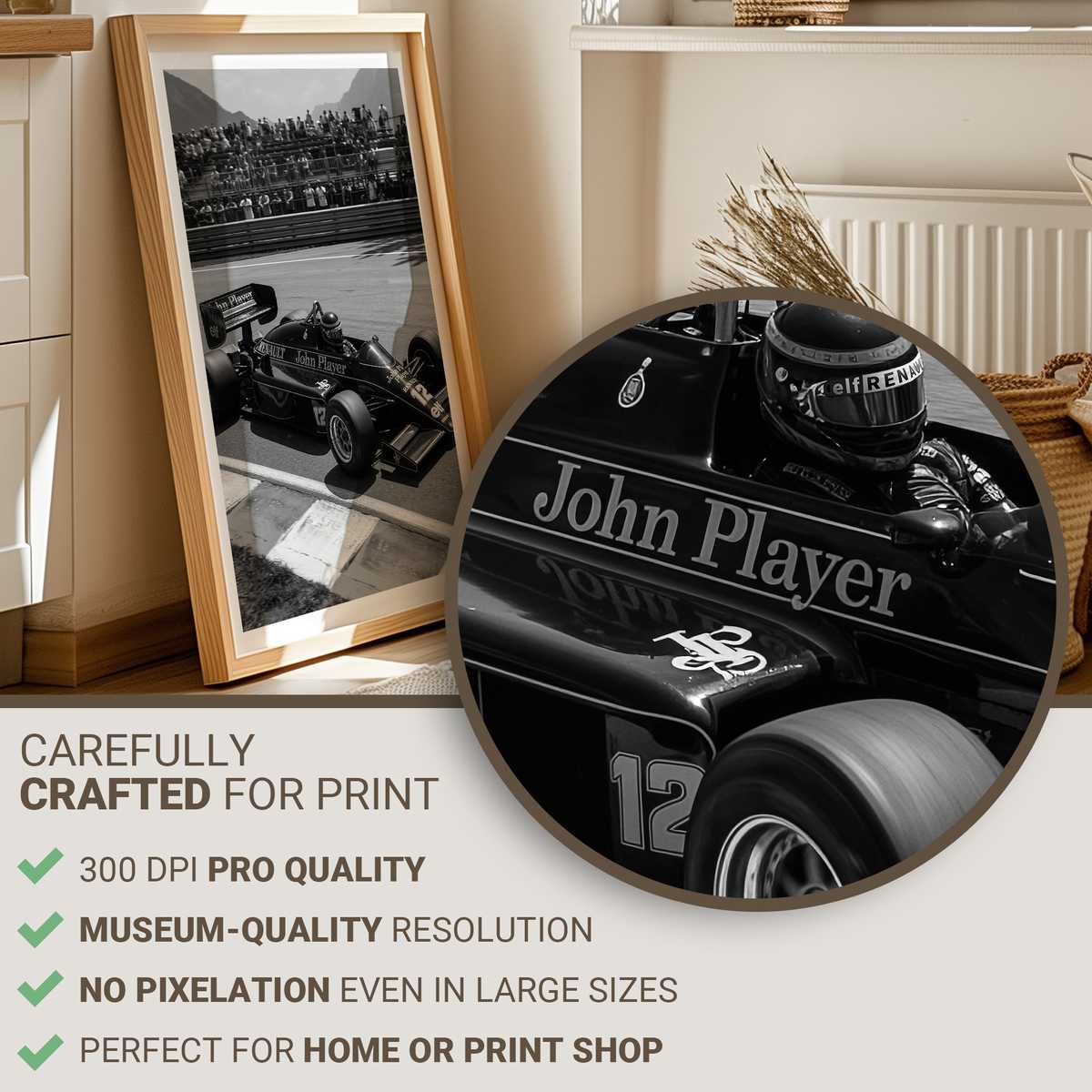
See the Lotus Formula One poster on Etsy for an example of these principles in practice: https://www.etsy.com/listing/4433928200/lotus-formula-one-poster-formula-one