How the Monte Carlo F1 circuit forces a particular reading of performance
The Monte Carlo / Circuit de Monaco is a temporary street circuit whose narrow, slow and highly constrained layout forces teams and drivers to read performance differently than at conventional permanent tracks. Precision, mechanical grip and strategic use of limited resources — tyres, steering setup and ERS deployment — matter more than raw top speed.
FIRST READING OF THE CIRCUIT
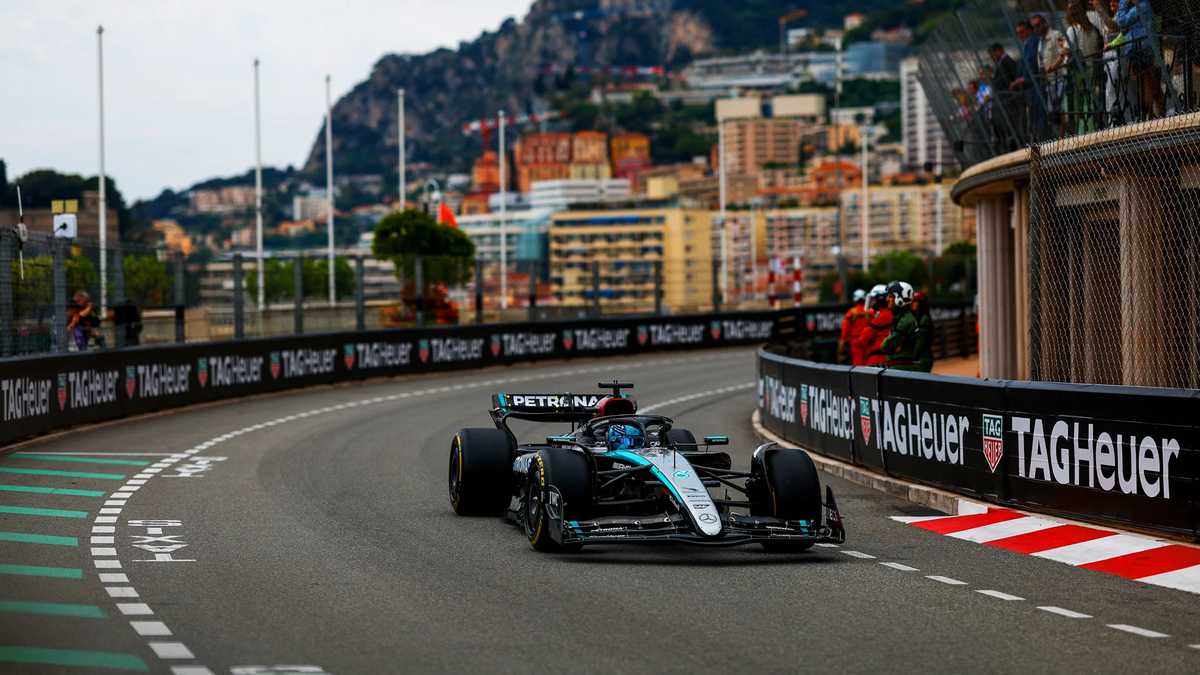
Circuit de Monaco is laid out on the streets of Monte Carlo and La Condamine around the harbour and is the narrowest and slowest track on the F1 calendar. Its character is defined by very slow and medium-speed corners, frequent elevation changes and almost no runoff in many places; these physical constraints convert small errors into large time losses or barrier contact. That immediate visual and physical DNA pushes teams to prioritise precision over peak aerodynamic efficiency.
CORNER RHYTHM AND SPEED PROFILE
The lap is a stitched sequence of tight braking points and low-speed direction changes rather than long high-speed sweepers. Signature segments include very slow points such as Sainte Dévote, the Grand Hotel hairpin, the Swimming Pool complex and the run through the tunnel, with frequent transitions where momentum is interrupted. Because the layout is dominated by low-to-medium speed corners, time is carved out through clean, repeatable exits and accurate line control rather than outright top-speed runs.
BRAKING ENERGY AND TRACTION DEMANDS
Monaco penalises imprecise braking and weak traction more than circuits with heavy, repeated high-speed stops. Hard, isolated braking events exist (for example into very tight hairpins and chicanes), but the overarching demand is mechanical grip and rear stability on corner exits. Drivers must manage launch discipline out of slow corners where traction limits are reached quickly; a small wheelspin or poor steering input costs fractions that are hard to recover given the downstream turns and narrow walls.
KERBS, SURFACE, AND TRACK EVOLUTION
As a street circuit, Monaco's asphalt and kerb geometry differ from permanent tracks. The surface typically produces lower thermal degradation, while kerbs and barrier proximity reward precise kerb use and punish over-ambitious lines. The FIA and organisers periodically resurface sections and update safety installations; these changes and the street-surface characteristics mean grip and track evolution across a weekend can be uneven and session-dependent.
TYRES, THERMAL LOAD, AND ERS STRATEGY
Pirelli and team briefings indicate tyre degradation at Monaco is generally lower than at many high-speed circuits. Lower average speeds reduce thermal load, but tyre warm-up can be an issue because laps contain long slow sections that limit steady heating. Consequently, strategies historically lean toward one-stop or low-stop plans and place high value on maintaining track position. ERS and battery management are used with particular care: teams conserve or deploy energy selectively for key exits — for example the tunnel exit — and for defensive or opportunistic moments because overtaking windows are scarce.
SETUP TRADE-OFFS AND CAR COMPROMISES
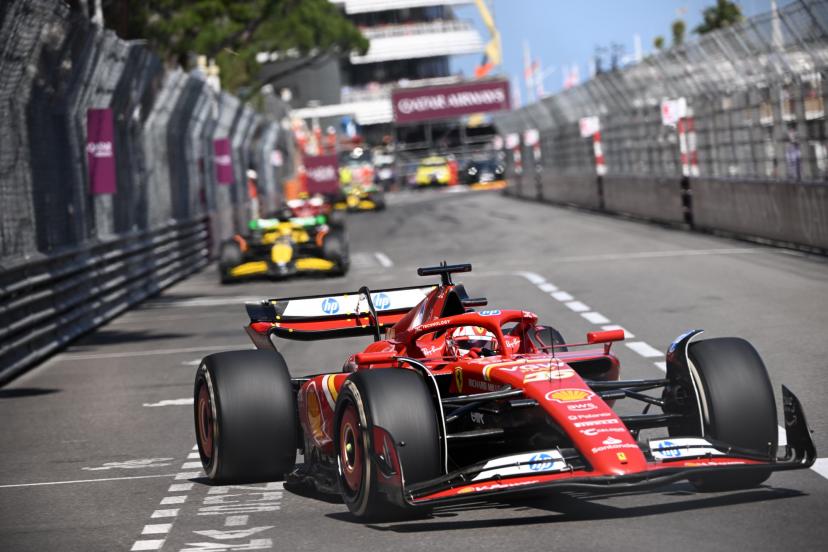
Monaco shifts emphasis away from peak aerodynamic downforce toward mechanical grip, steering response and suspension compliance. Teams adapt steering and suspension settings to cope with frequent low-speed direction changes, kerbs and the need for tight turn-in. The trade-off is clear: optimising for low-speed traction and ride over bumps can expose weaknesses elsewhere, but at Monaco those weaknesses tend to matter less than confidence-inspiring steering and predictable mechanical behaviour.
OVERTAKING, DRS, AND RACECRAFT
The narrow track and close barriers make overtaking very difficult; races at Monaco have historically shown very few passing moves and therefore place an unusually high premium on qualifying and race track position. DRS and energy deployment become tactical tools rather than guarantees: when used, they are most effective in the rarer medium-speed straights or to defend/attack at a critical exit. This amplifies the value of pit-stop timing, safety-car timing and clean execution over raw race pace.
HISTORICAL AND COMPETITIVE CONTEXT
Monaco's identity as a temporary street circuit with narrow confines and low average speeds is longstanding and repeatedly documented by official sources and team technical briefs. The FIA and Automobile Club de Monaco periodically publish media kits and event notes describing resurfacing, barrier updates and layout adjustments; these updates preserve the circuit's character while addressing safety and operational needs.
CLOSING INTERPRETATION
Reading performance at the Monte Carlo F1 circuit means reweighting priorities: precision over peak speed, mechanical grip over outright aero trim, and strategy that preserves track position and tyre life. The available technical guidance and race practice suggest Monaco rewards cars and drivers who can deliver repeatable exits, controlled braking and shrewd energy use. In short, the circuit exposes a different truth about performance — one where positioning, setup nuance and small, error-free sequences decide the outcome more often than wholesale pace.
Author: Eric M.