Austin F1: How COTA Forces a Lap‑Wide Reading of Performance
The United States Grand Prix at Circuit of The Americas (COTA) demands a holistic reading of performance: long, flowing high‑speed sections sit alongside heavy‑braking, technical sequences that force teams to compromise setup and manage tyres across an inconsistent lap. The 2024 race on October 20 underlined how those dual demands shape strategy, penalties and final positions.
Quick summary: COTA is a purpose‑built FIA Grade 1 facility with three distinct sectors. Its high‑speed Turns 3–6 and heavy‑braking at Turn 1 and Turn 12 create conflicting aerodynamic and mechanical demands. The 2024 United States Grand Prix (56 laps, October 20) produced a Ferrari one‑two with Charles Leclerc winning; tyre choice (C2/C3/C4) and track‑limit penalties influenced the outcome.
Quick access: Circuit identity · Setup trade‑offs · Overtaking & DRS
FIRST READING OF THE CIRCUIT
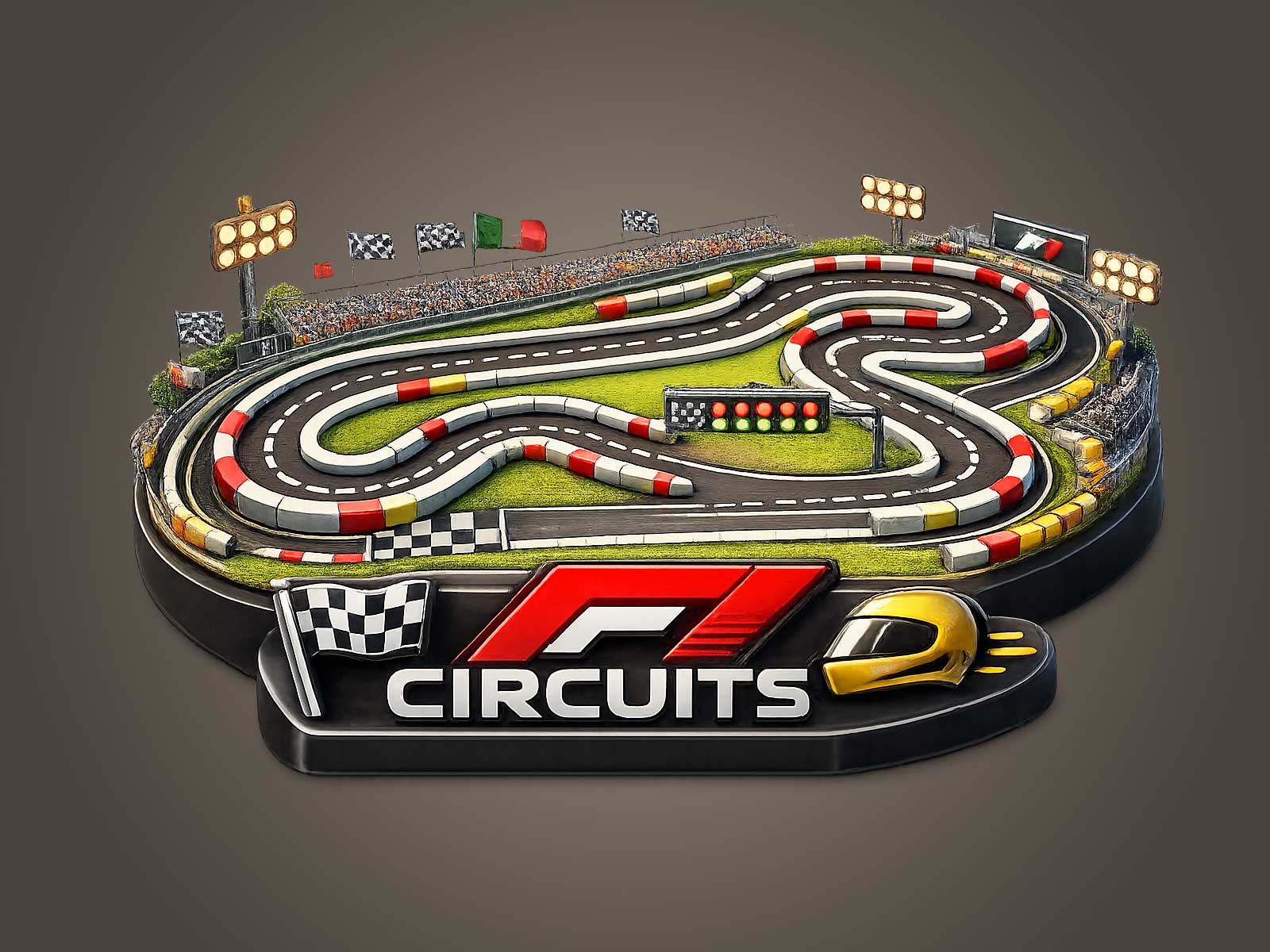
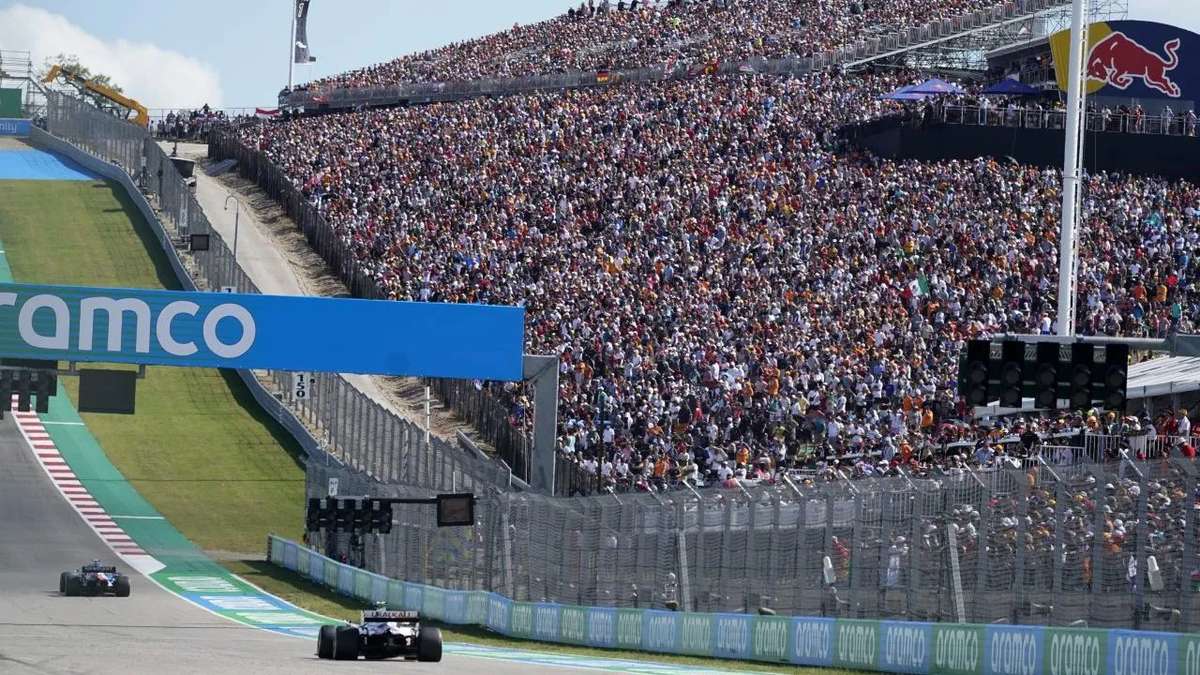
COTA is immediately legible as a track with three different sector characters: a dramatic opening climb into a heavy‑braking Turn 1, a flowing high‑speed middle sector that includes the sequence commonly referenced as Turns 3–6, and a more technical mid/late sector that culminates in another heavy deceleration for Turn 12. The venue is a purpose‑built, FIA Grade 1 circuit; the measured lap distance is reported between roughly 3.41 and 3.426 miles depending on sources, and the layout intentionally mixes energy‑sustaining stretches with stop‑start knots.
CORNER RHYTHM AND SPEED PROFILE
The lap alternates momentum preservation and discrete energy losses. The high‑speed sequence around Turns 3–6 rewards aerodynamic stability and downforce that can be carried through linked corners, while the technical approach to Turn 11/12 demands mechanical grip and precise weight transfer. This variety means time can be gained either by committing to aero efficiency through the fast sector or by prioritising traction and braking stability for the slower, tighter parts — a trade‑off that defines lap construction at COTA.
BRAKING ENERGY AND TRACTION DEMANDS
Heavy braking zones such as the uphill entry to Turn 1 and the approach to Turn 12 create peaks in brake and tyre load. Those stops are decisive for race starts, restarts and into overtaking attempts. Conversely, the exit drive out of the slower corners into the high‑speed sequence tests rear traction and torque delivery: poor exits cost more time as the car accelerates onto long, fast stretches. The 2024 race narrative underlined how managing these transitions across 56 laps shapes both single‑lap pace and stint consistency.
TYRES, THERMAL LOAD, AND STINT SHAPE
Pirelli nominated the middle three compounds (C2, C3, C4) for the United States Grand Prix, and its guidance emphasised that Friday running is important because grip and degradation evolve quickly across the weekend at COTA. The mixed demands of sustained high speeds and heavy braking create localized thermal cycles: fast sectors tend to stress downforce and side‑wall stability, while repeated heavy stops push temperatures into the brakes and inner tyre layers. Teams therefore monitor stint shape carefully; strategy and pit timing — including undercuts — proved decisive in the 2024 race.
SETUP TRADE‑OFFS AND CAR COMPROMISES
Because COTA combines long, flowing high‑speed corners with tight, heavy‑braking sections, teams face a clear compromise: increase downforce to stabilise Turns 3–6 at the expense of top speed on the following straights, or lower drag for higher straightline speed while risking instability through the linked fast corners. Mechanical setup also matters for the technical mid‑sector and for generating traction out of slow corners that feed the high‑speed sections. The available evidence suggests that the most successful setups balance enough aero to maintain stability without overloading tyres early in a stint.
OVERTAKING, DRS, AND RACECRAFT
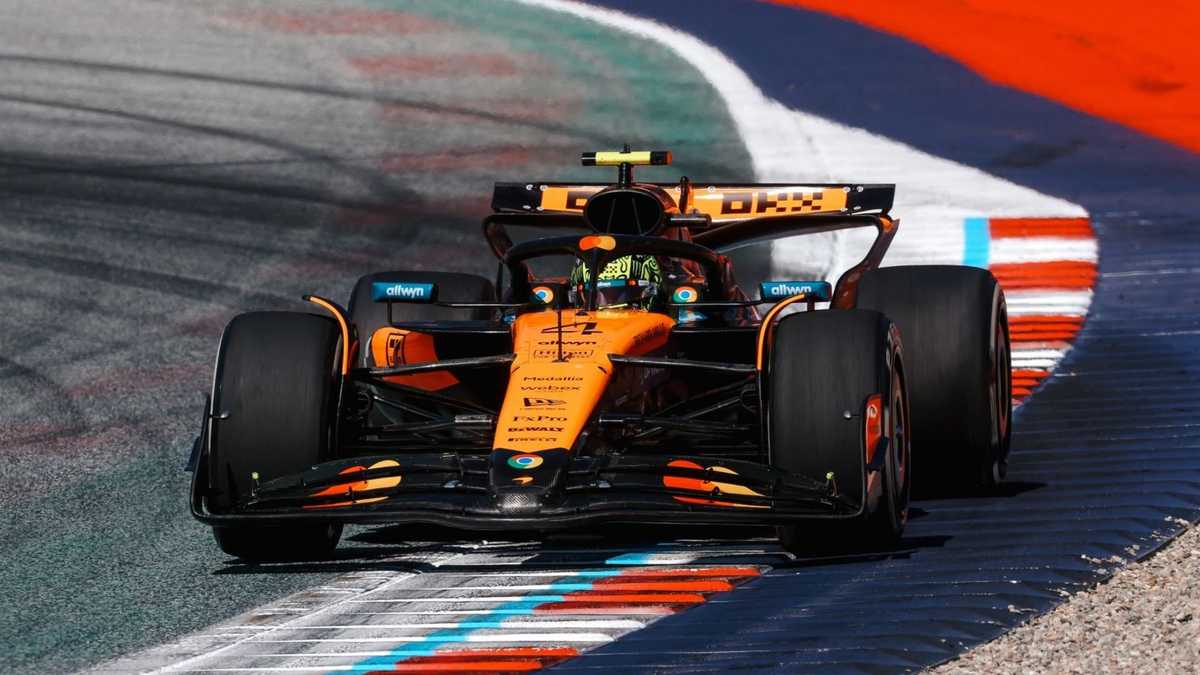
Overtaking at COTA is shaped by a combination of heavy‑braking opportunities and the track‑position value of clean exits onto long straights. The race outcome in 2024 demonstrated how on‑track passes can be altered or nullified by track‑limits incidents and subsequent penalties: Lando Norris received a five‑second penalty for leaving the track and gaining an advantage that demoted him from P3 to P4 in the final classification. That case highlights two practical lessons: precise cornering lines matter for both tyre life and legal track use, and strategic pit timing must account for the risk of losing positions to penalties.
HISTORICAL AND COMPETITIVE CONTEXT
The October 20, 2024 United States Grand Prix at COTA finished after 56 laps with Charles Leclerc winning, Carlos Sainz second and Max Verstappen third following post‑race adjustments. The result produced a Ferrari one‑two and illustrated how tyre strategy, pit‑stop timing and stewarding decisions around track limits can change podium order. Team reports from the weekend emphasised the importance of Friday running to understand grip evolution and to validate compound choices for race pace.
CLOSING INTERPRETATION
COTA’s defining quality is its insistence on lap‑wide balance. The track does not reward a single specialism; instead it forces teams to reconcile aero stability, mechanical grip and tyre preservation within one package. The 2024 United States Grand Prix exemplified that dynamic: compound selection, pit strategy and the enforcement of track limits combined with the circuit’s mixed sectors to shape a race where setup compromise and disciplined racecraft decided the podium.
Author: Cynthia D.