How Formula One Qualifying Works: Q1, Q2, Q3, tyres, traffic and why a flying…
Qualifying in modern Formula One is a tightly scripted knockout exercise designed to produce a starting grid quickly and theatrically. Understanding the Q1/Q2/Q3 structure, the tyre rules that shape decisions, and the traffic-management choreography on track explains why a single flying lap is prepared very differently from a race stint — and why grid position is not always the same as race pace.
Qualifying uses three timed knockout segments (Q1, Q2, Q3). Session lengths are short, tyre allocations and FIA sporting rules constrain choices, and teams plan runs to avoid traffic and extract peak grip for one or two flying laps.
Format: Q1/Q2/Q3 knockout and session timing
Modern Formula 1 qualifying follows a knockout format split into three timed segments: Q1, Q2 and Q3. After Q1 the slowest drivers are eliminated, the same happens after Q2, and the remaining ten drivers contest Q3 for pole position. The FIA Sporting Regulations set the precise elimination rules and also dictate how identical lap times are ordered (the earlier time is classified ahead).
Typical published session lengths on a standard weekend are approximately 18 minutes for Q1, 15 minutes for Q2 and 13 minutes for Q3. These durations give teams only a few genuine opportunities for flying laps, which concentrates planning on tyre preparation, out-laps and track position.
Tyres and allocations: what teams must manage
Pirelli is the sole tyre supplier and brings a nominated range of slick compounds (labelled C1–C5 in current seasons), plus intermediates and full wets for wet conditions. The tyre allocation rules require specific provisions for qualifying: Q3 entrants have an additional set reserved for their runs, and event- or sprint-specific allocations are published in Pirelli previews and competition notes.
Another key rule change to remember is that, since the 2022 rules update, the top ten drivers are not obliged to start the race on the tyres they used to set their Q2 time. That earlier restriction was removed, which changed how teams weigh up tyre usage across practice, qualifying and the race. Separate FIA operational documents also define practical procedures such as tyre-fitting cut-offs and checks teams must follow.
Traffic, timing and why clear air matters
Traffic management is critical in qualifying. Teams and drivers plan their out-laps, tyre warm-up sequences and the timing of their runs to avoid encountering slower cars or running in another car's 'dirty air', which reduces downforce and costs tenths of a second. Because session time is limited, strategic timing — whether to go early for a clear track or late to exploit a tow — is a common tactical choice.
The knockout format increases congestion pressure in the closing minutes of each segment. Identical lap times are ranked by who set the time first, so getting a banker lap on the right tyres and at the right moment can be decisive. The combination of short sessions and track position makes precise coordination between the driver, pit wall and garage essential.
Why a flying lap needs different preparation than a race stint
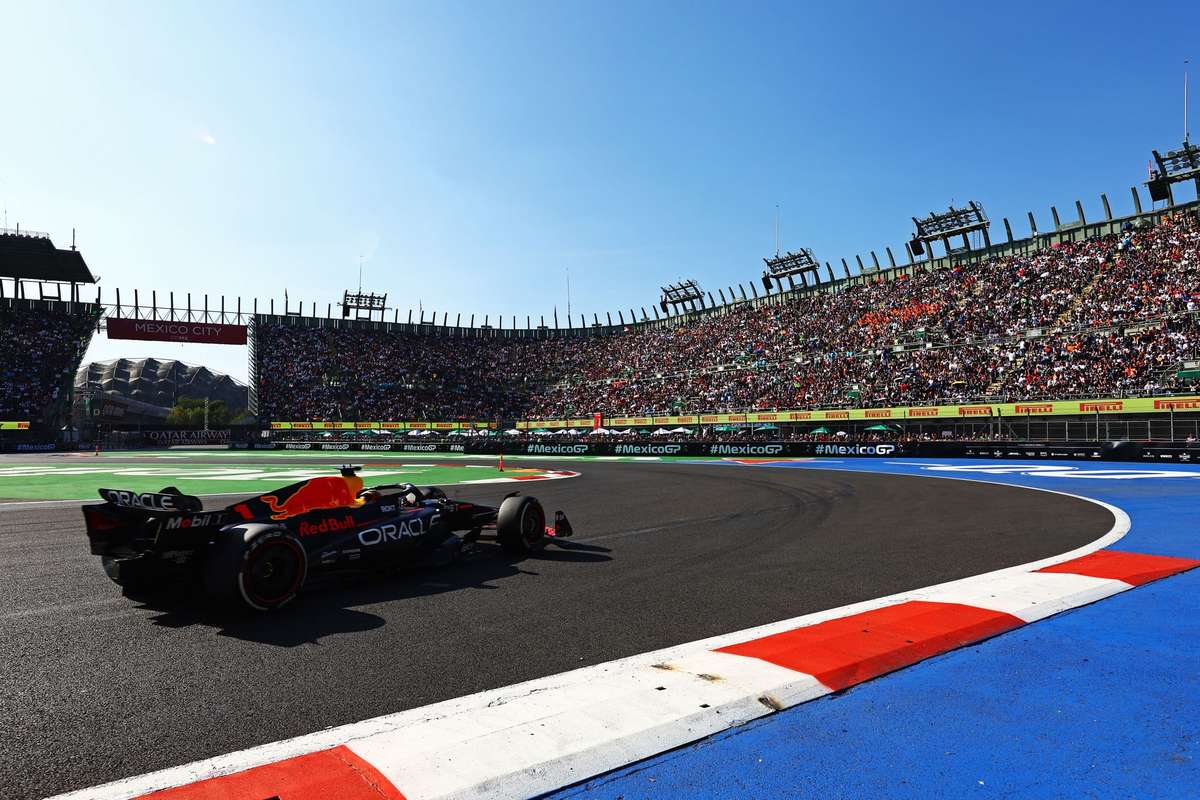
A qualifying flying lap is run under deliberately different conditions to a race stint. For qualifying runs cars are on very low fuel, tyres are brought to peak operating temperature and setups are biased toward maximum grip for one or two laps. Engineers optimise aero balance, suspension and differential settings for instant turn-in and peak braking performance rather than long-term tyre life.
Race trim demands the opposite trade-offs: higher fuel loads, setups that prioritise tyre preservation and stability, and driver behaviour that keeps tyre temperatures and degradation manageable over many laps. These choices produce measurable time differences — a car optimised for qualifying will often be quicker over one lap but may not sustain that advantage over a race stint.
Clearing the confusion: grid position versus race pace
It is a common error to treat qualifying position as a direct proxy for race pace. Authoritative technical analyses show multiple reasons why the two can diverge: tyre peak grip, different fuel loads, and setup choices all change lap-time characteristics. A strong qualifying performance proves a car and driver can extract peak grip under ideal conditions; it does not guarantee superior long-run pace, tyre life or race strategy resilience.
Practically, that means teams use qualifying to secure track position but must also ensure race trim and strategy are competitive. The 2022 rule change freeing top-ten starters from the Q2 tyre-start obligation further decoupled qualifying decisions from race-opening strategy, giving teams more flexibility to balance grid advantage and race durability.
Closing interpretation: what qualifying reveals about Formula 1
Qualifying condenses many disciplines of modern Formula 1 into a short, intense period: sporting regulation, tyre science, precise operational timing and driver execution. The Q1/Q2/Q3 knockout format, tight session windows and tyre allocation rules force teams to make trade-offs and rehearse flawless coordination. Reading qualifying results requires understanding those trade-offs — pole is valuable, but it is only one of the variables that determine race outcome.
Author: Eric M.