What Makes a Red Bull F1 Driver: Adaptation, Pressure and Performance
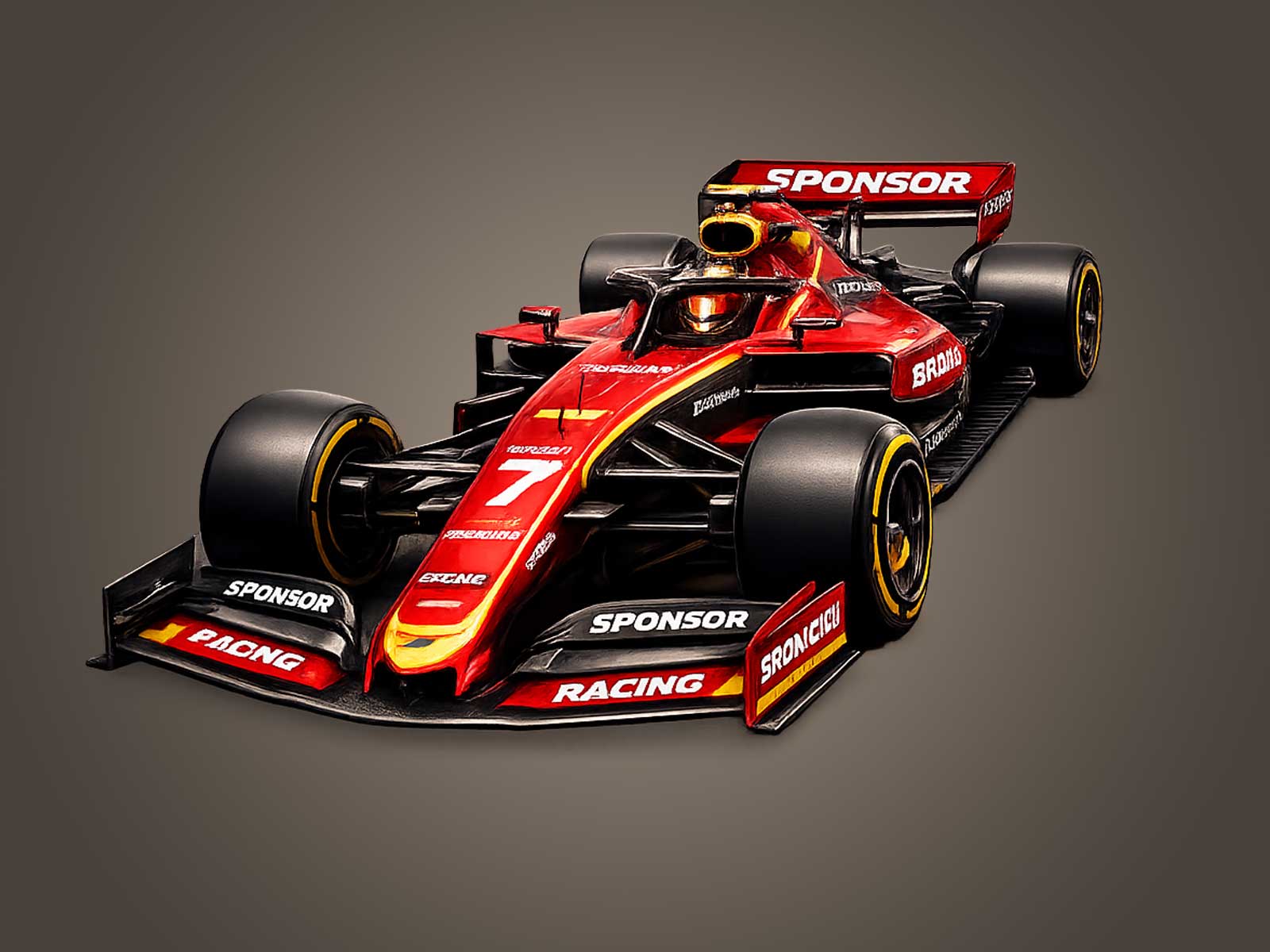
Red Bull Racing’s driver environment is frequently described in technical and journalistic coverage as uniquely demanding. Two clear themes recur: the cars themselves have been characterised as aerodynamically sensitive with a narrow operating window, and the team culture is strongly performance‑oriented, creating internal pressure that drivers must manage.
Summary
Technical reporting and team commentary identify two linked demands on Red Bull drivers: extracting performance from machines that are easy to upset aerodynamically, and thriving under a management and media environment prioritising results.
What this article does
- Interpret the shape of a Red Bull‑style palmarès through reproducible themes rather than listing trophies.
- Use driver‑type examples cited in coverage to explain how season patterns can diverge within the same team package.
- Explain what the combination of car sensitivity and internal pressure tends to reveal about season‑by‑season records.
What the full palmarès looks like
When analysts read a Red Bull driver’s record, they look beyond raw totals to the season shape created by a demanding car and a high‑pressure team culture. Coverage emphasises that these cars can have a narrow operating window: extracting peak lap time often requires precise setup and consistently accurate driver inputs. That technical profile affects the season narrative — stretches of dominant performance when driver and package align, and visible dips when the balance shifts.
The early F1 years
Early seasons for drivers who eventually join Red Bull or its junior pathway are often framed as formative tests of adaptability. Technical reporting highlights that learning to find the car’s sweet spot is a skill developed under varied conditions. Because the Red Bull car’s handling has been described as more difficult to drive in some development phases, early displays of smoothness, mechanical sympathy and setup feedback become salient signals to team decision‑makers.
The season-by-season climb
Across successive campaigns, the interaction between chassis updates and a driver’s style defines progress. Journalistic sources note seasons in which the package trends toward a narrower operating window — these years favour drivers able to adapt quickly and maintain a consistent driving technique. Season‑by‑season improvement in lap consistency, qualifying extraction and tyre management will typically show up when a driver successfully matches that evolving package.
Title fights, peak campaigns and driver fit
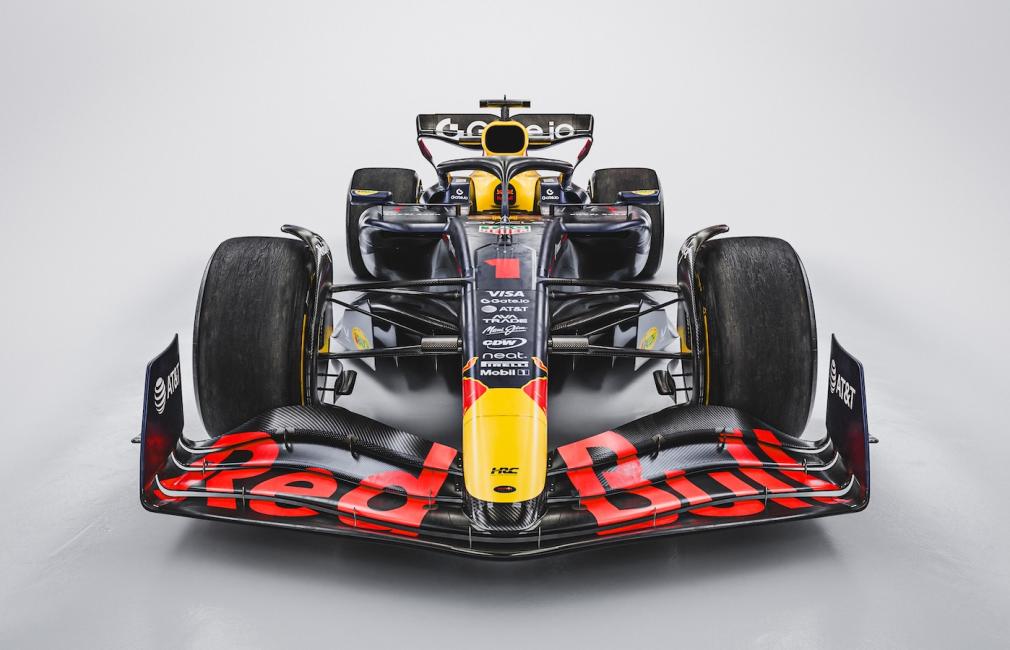
Technical commentary and quotes from designers have made it clear that some Red Bull packages suit particular driving styles better than others. Adrian Newey has been reported as saying that development choices in certain years produced cars that were "more difficult to drive" and that those packages suited some drivers more than others. In practice, that observation explains why certain seasons produce clear championship contenders while teammates sometimes lag; fit between driver inputs and the car’s sensitivity becomes a decisive factor in peak campaigns.
Wins, podiums, poles and competitive shape
Rather than treating wins, podiums and poles as isolated numbers, experienced readers are encouraged to view them as indicators of how often driver and car hit the same performance window. Coverage points to examples where one driver consistently extracted performance from an aerodynamically demanding package, while a teammate’s results varied when the car moved away from their preferred balance. In a Red Bull context, streaks of poles or consecutive podiums often correlate with periods when setup and driving style were aligned.
Difficult seasons, interruptions and comebacks
Because the team environment is described in journalistic coverage as high‑pressure and results‑oriented — with historical instances of public intra‑team controversy — difficult seasons can be amplified in the public record. Setbacks caused by a car’s change in behaviour tend to expose weaknesses in adaptability; conversely, a driver who recovers strong results after a poor run demonstrates technical versatility and psychological resilience valued by the team. Reporting on Red Bull’s past internal incidents shows the organisation does not shy from public scrutiny during such phases.
Where the driver stands in F1 history
A Red Bull palmarès must therefore be judged on two axes: absolute results and contextual consistency. The historical meaning of a record assembled at Red Bull depends on how much of the success came from matching a sensitive package versus out‑stripping teammates across variable car behaviours. Analysts use this reading to differentiate drivers who were beneficiaries of near‑perfect package fit from those whose season‑by‑season results show broader adaptability.
Closing interpretation
To understand what defines a Red Bull F1 driver, combine the verified technical depiction of the cars with the journalistic portrayal of a performance‑first team culture. The narrow operating window of certain Red Bull packages rewards precise inputs and consistent setups; the intense internal environment rewards drivers who can deliver under scrutiny and in intra‑team battles. Season‑by‑season, that combination produces palmarès patterns where alignment between driver and car is as important as raw wins or podium counts — and where recovery from poor runs can be as revealing as peak success.
Author: William L.