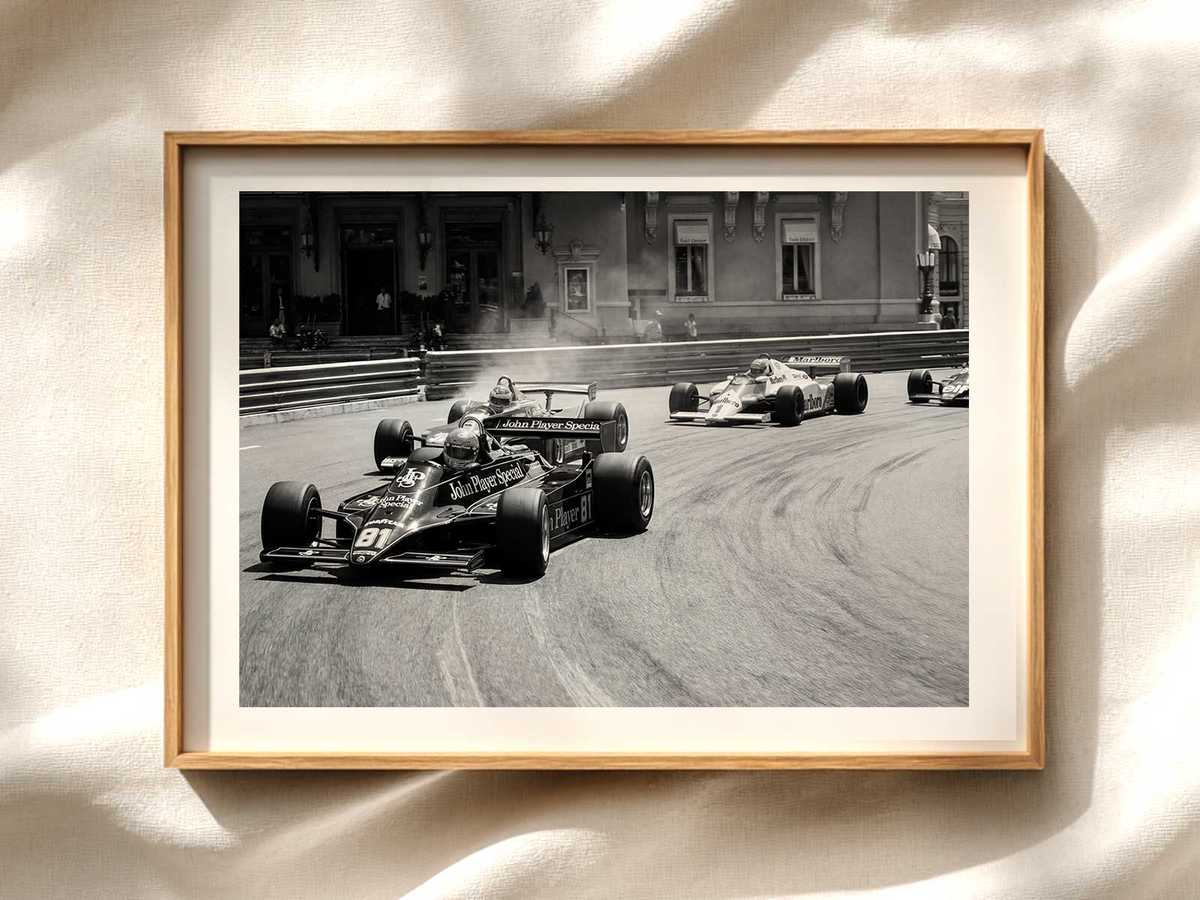
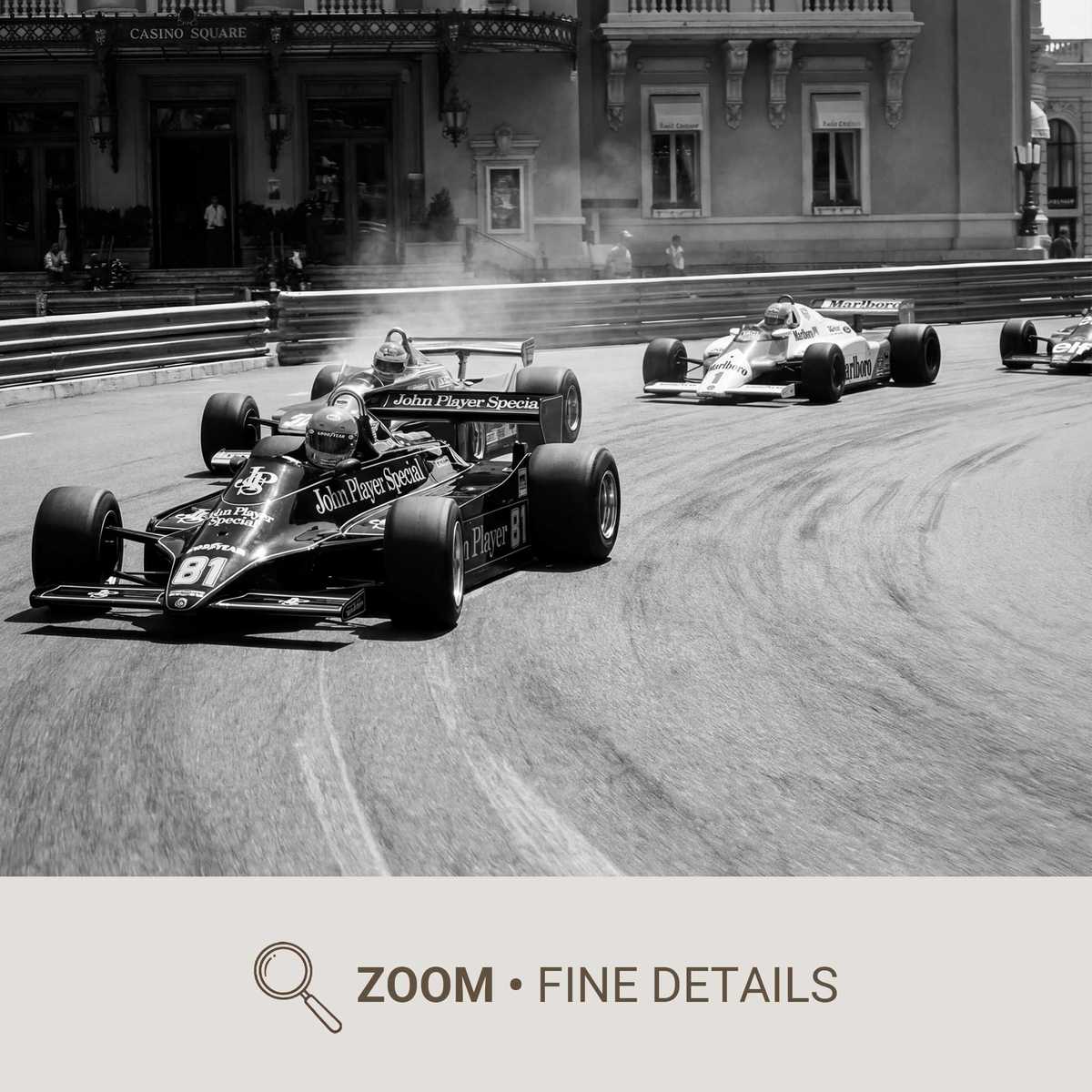
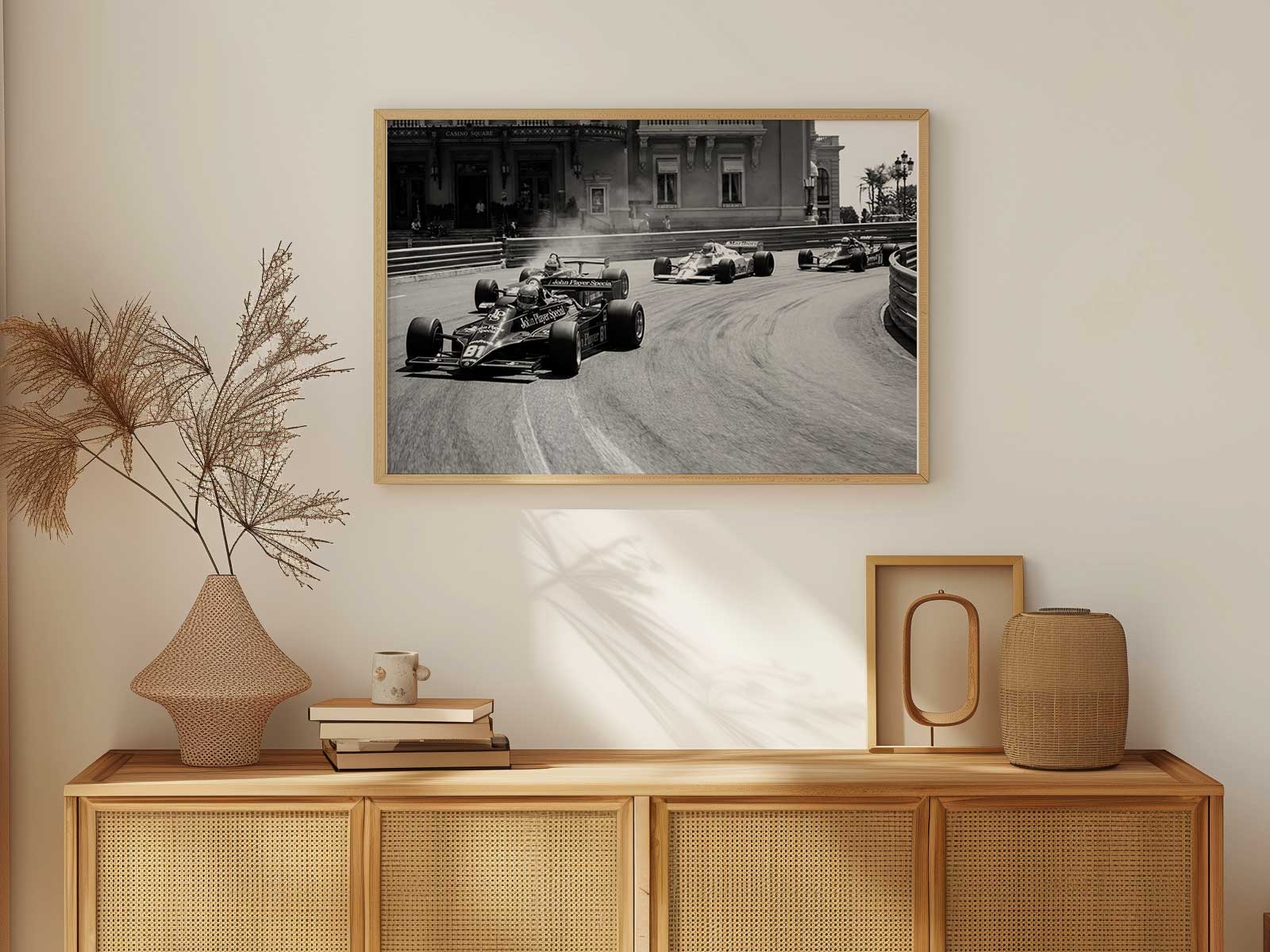
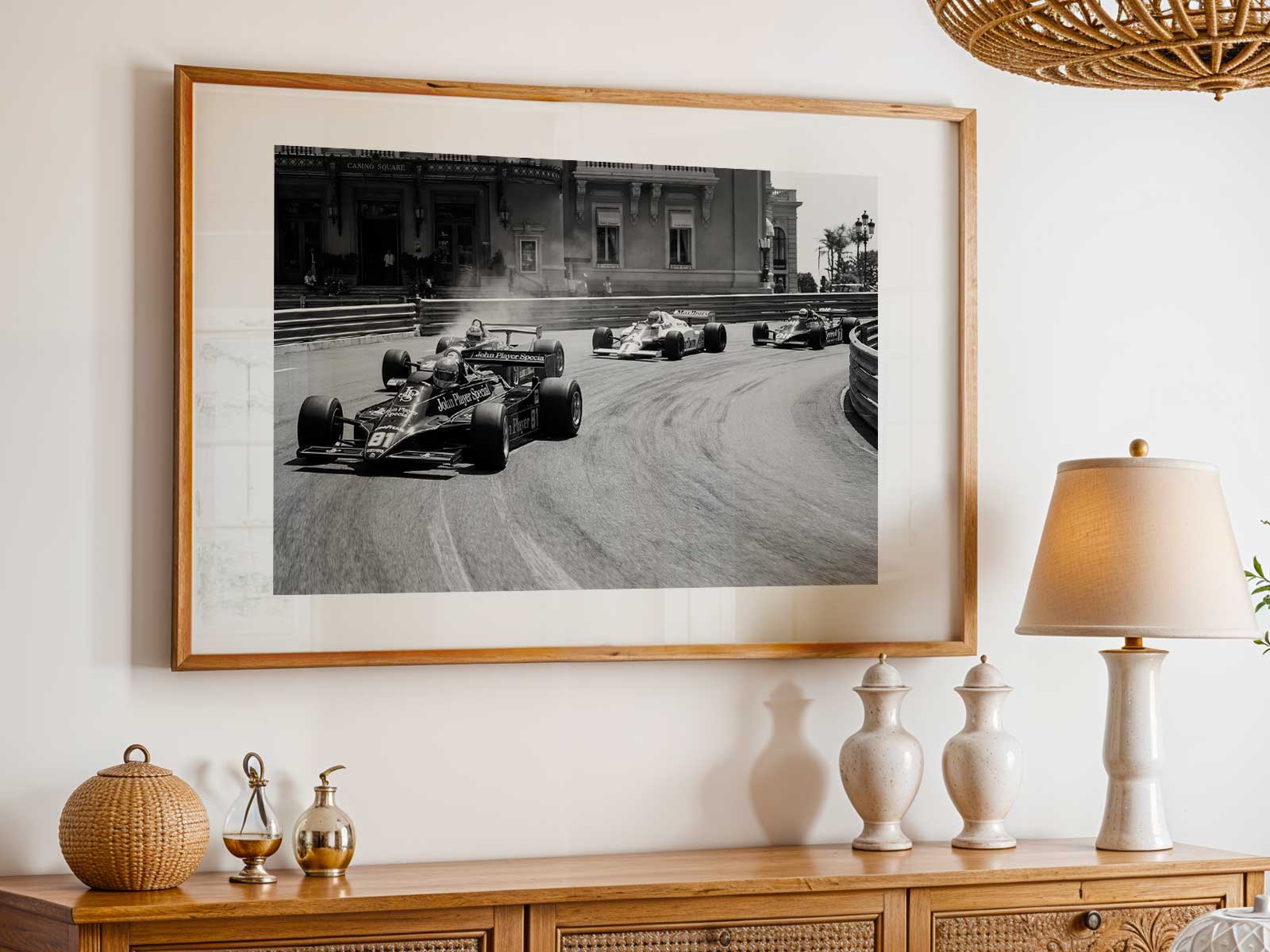
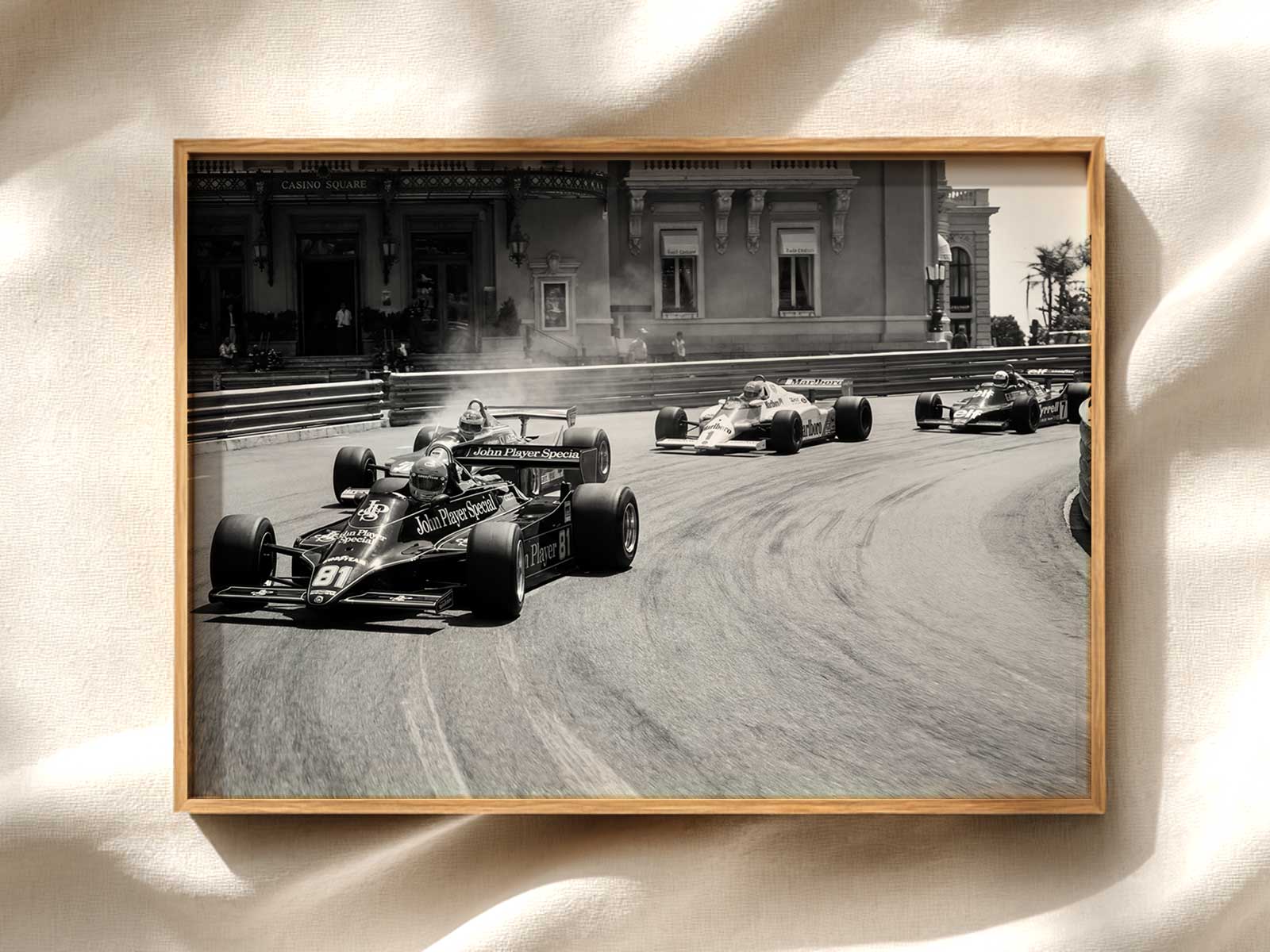
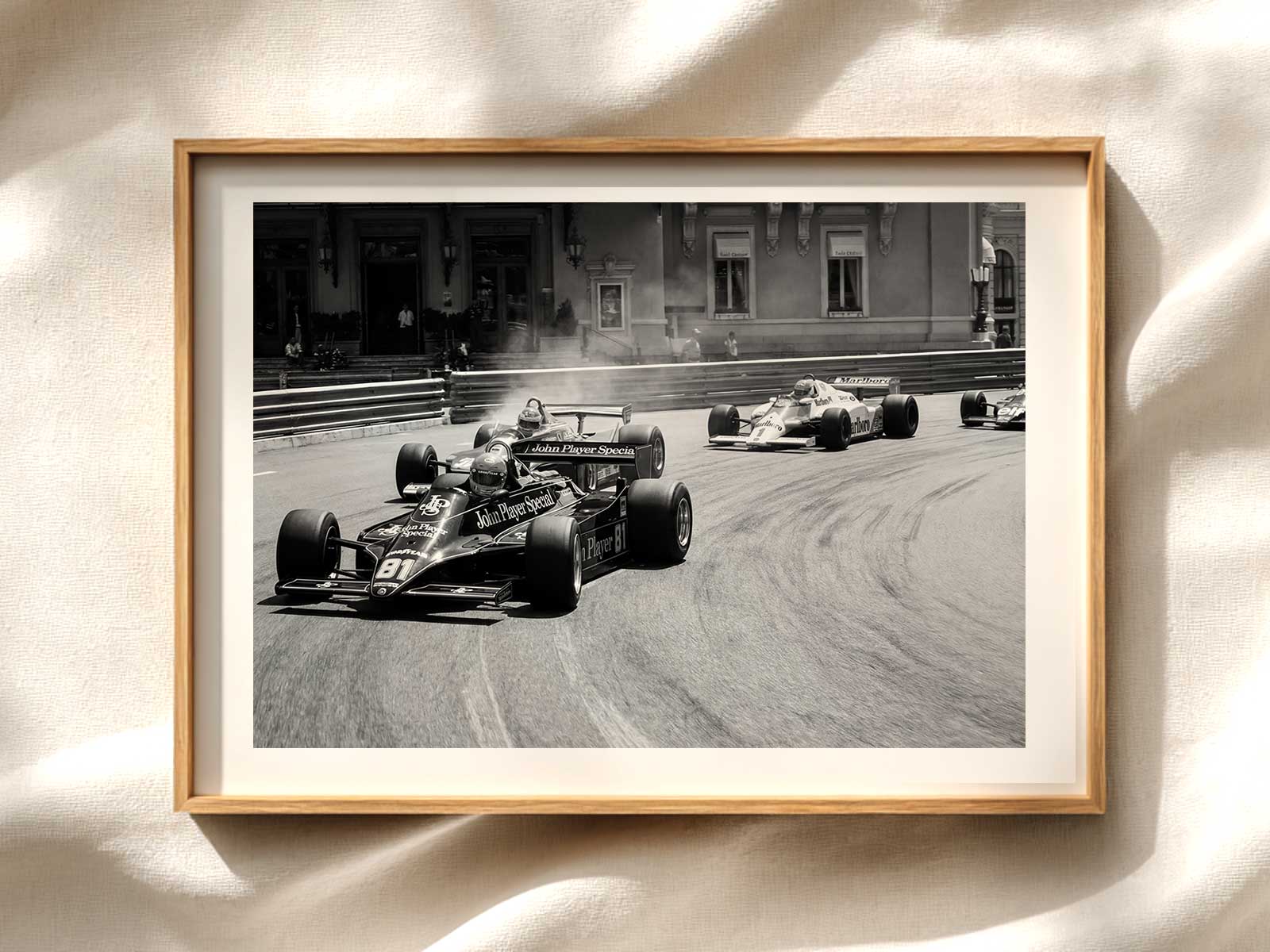
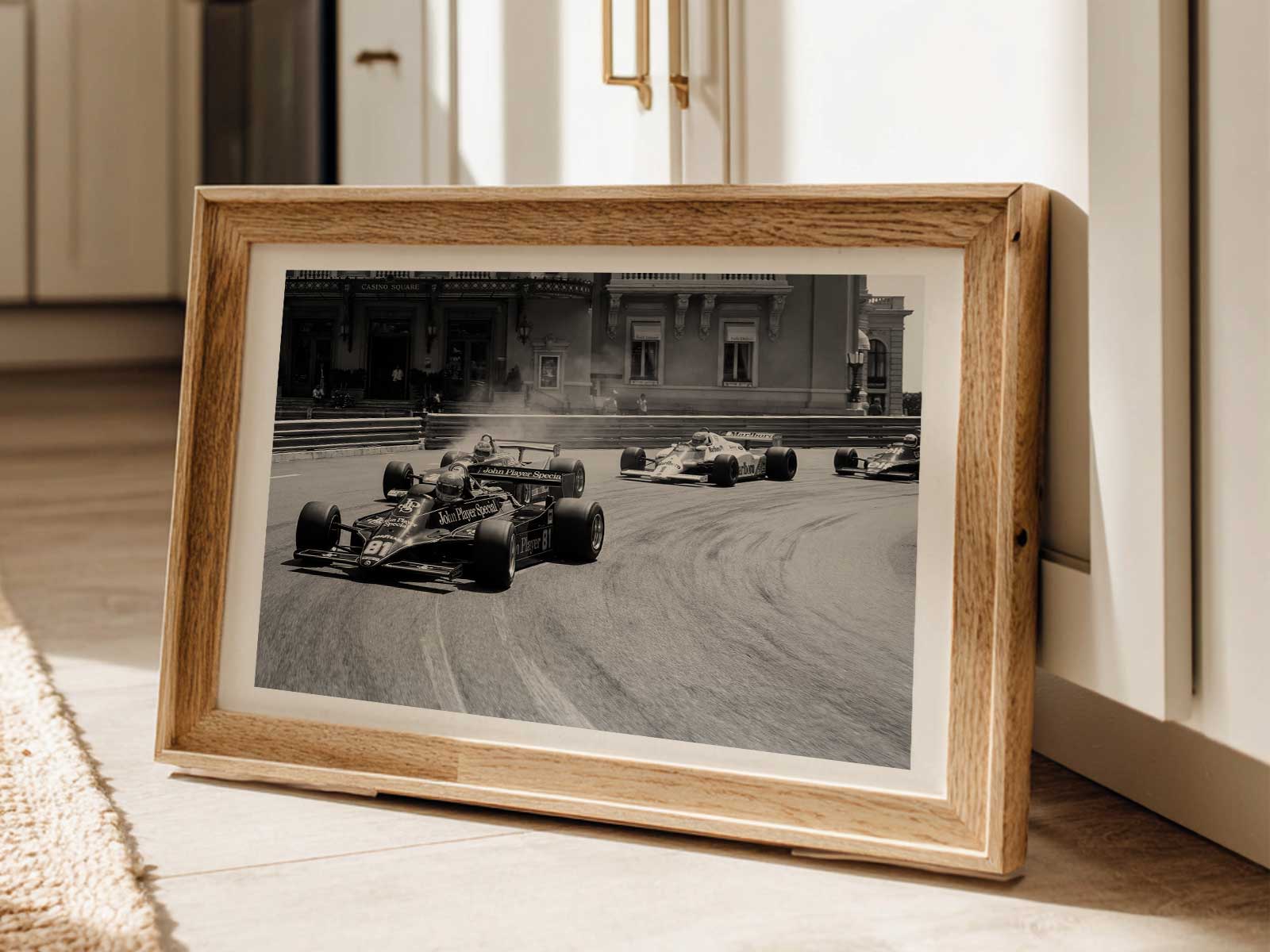
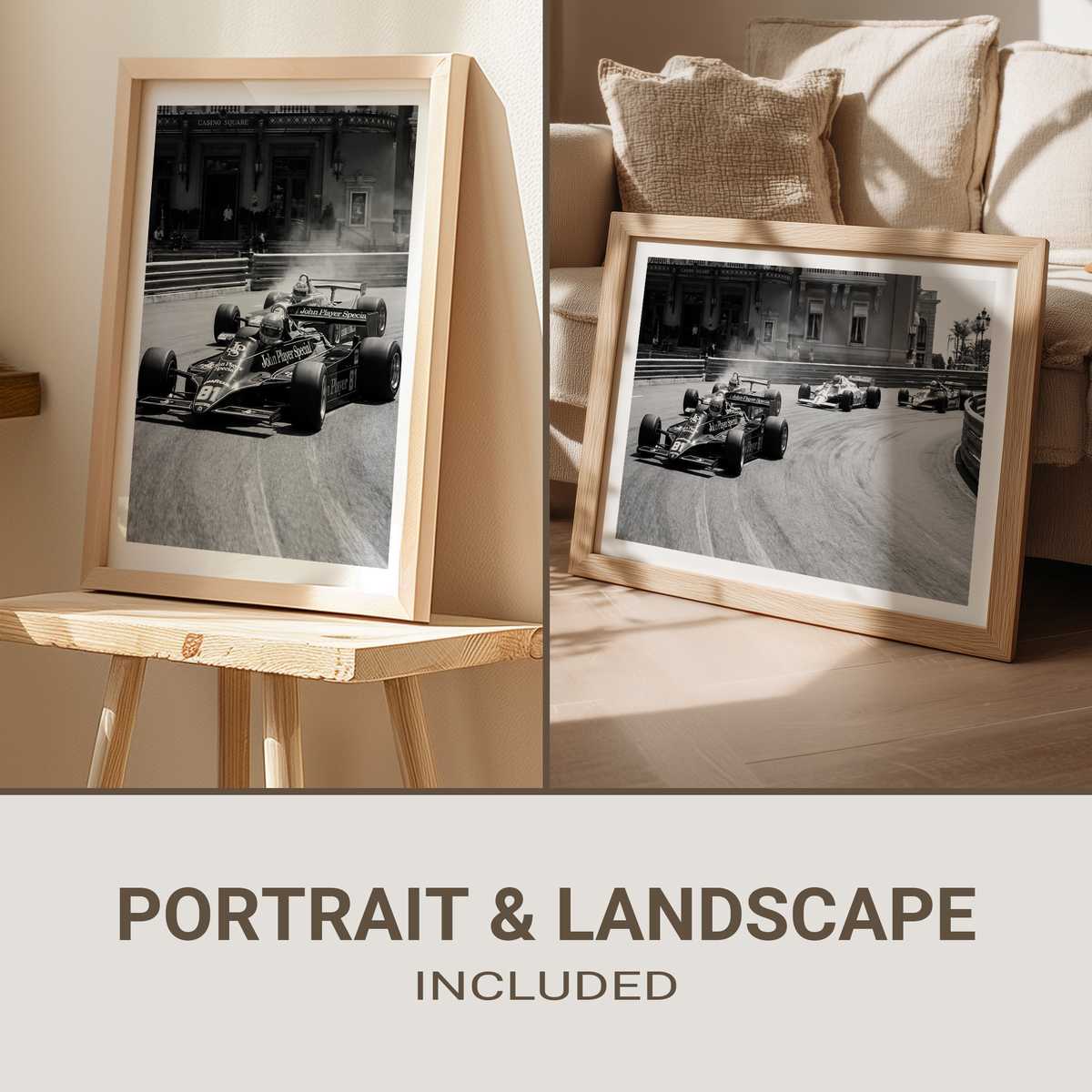
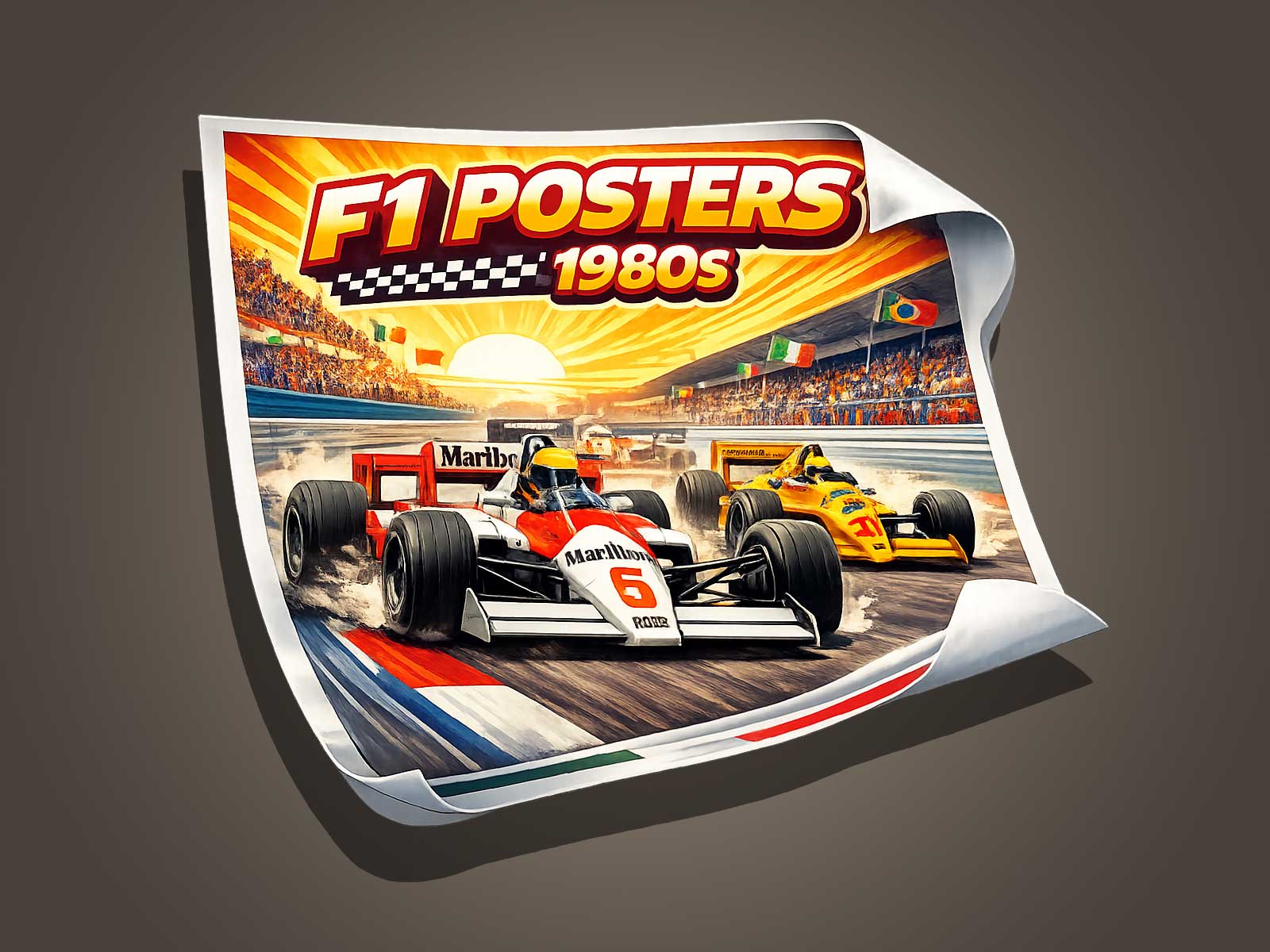
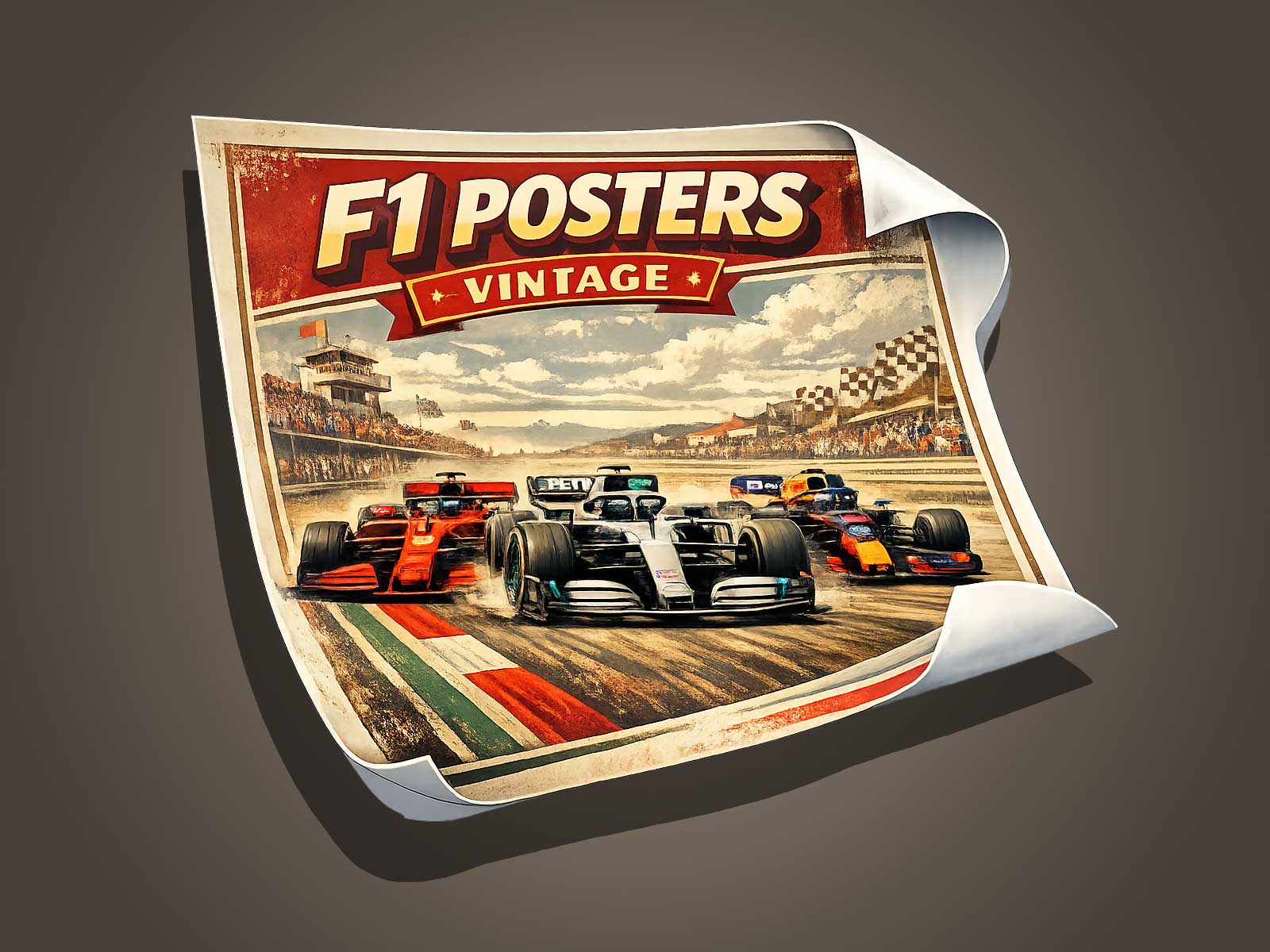
Vintage Formula 1 posters—especially those channeling the 1980s Monaco aesthetic—do more than decorate walls. They act as visual archives, carrying a layered memory that blends design, technology and cultural moment. When an F1 poster is intentionally distressed, reimagined or reproduced with period-accurate graphics, it acquires a patina that signals age, authenticity and heritage value to the viewer. This article looks at why that aesthetic matters, how it engages memory, and what collectors should look for when choosing a poster that feels both vintage and true to the sport's legacy.
Why the 1980s Monaco Aesthetic Amplifies Visual Memory
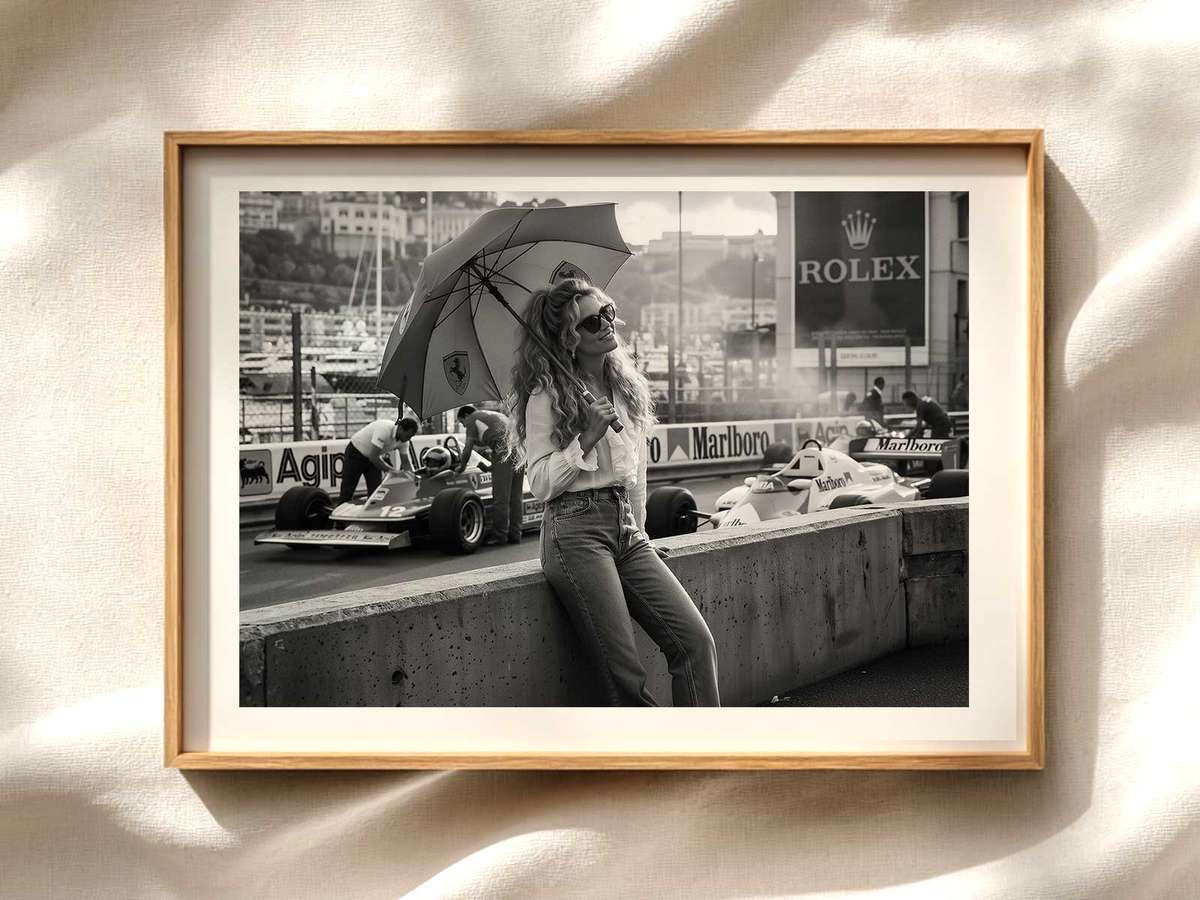
The 1980s occupy a distinct place in Formula 1 history: rapid aerodynamic development, daring circuits like Monaco, and a graphic language that favored bold typography, high-contrast colors and film-grain textures. Posters that echo that era trigger recognition not only for enthusiasts who lived through it but also for younger fans who consume its imagery through documentaries, archival photography and modern reissues. These visual cues—angled silhouettes of single-seaters, retro sponsor logos, and track maps rendered with period typefaces—act as memory anchors, instantly evoking the era's atmosphere.
Patina and Historical Depth: More Than Fake Aging
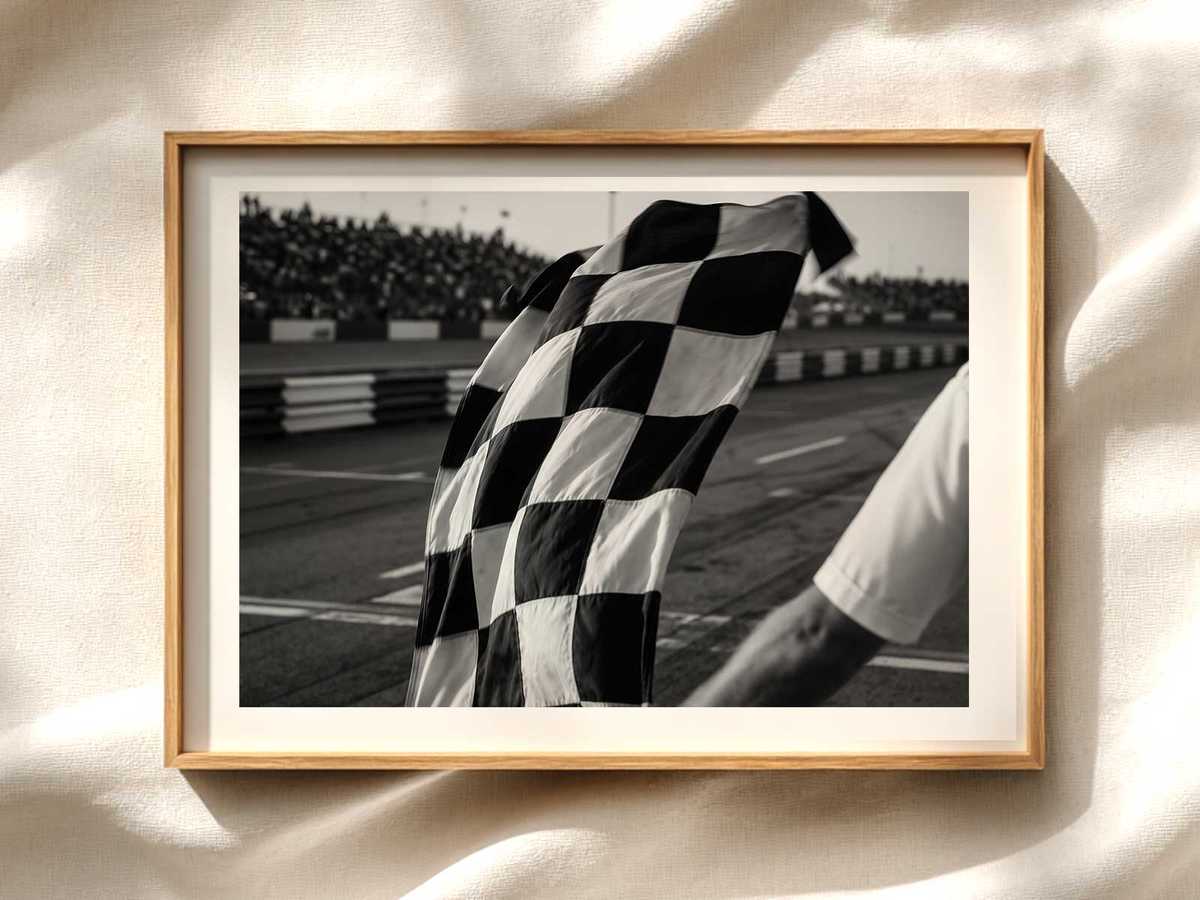
Patina in a poster context goes beyond simply adding wear. Thoughtful use of fading, spot discoloration, and subtle paper texture reproduces the way real posters age under sunlight, handling, and time. This tactile narrative suggests authenticity: the poster appears to have witnessed races, paddock bustle, and calendar years. For collectors, that perceived history creates emotional value. A well-executed vintage-style Monaco poster will balance deliberate aging with clarity—preserving key visual elements like driver silhouettes or circuit outlines while letting the surface tell a story.
Visual Heritage: Posters as Cultural Artifacts
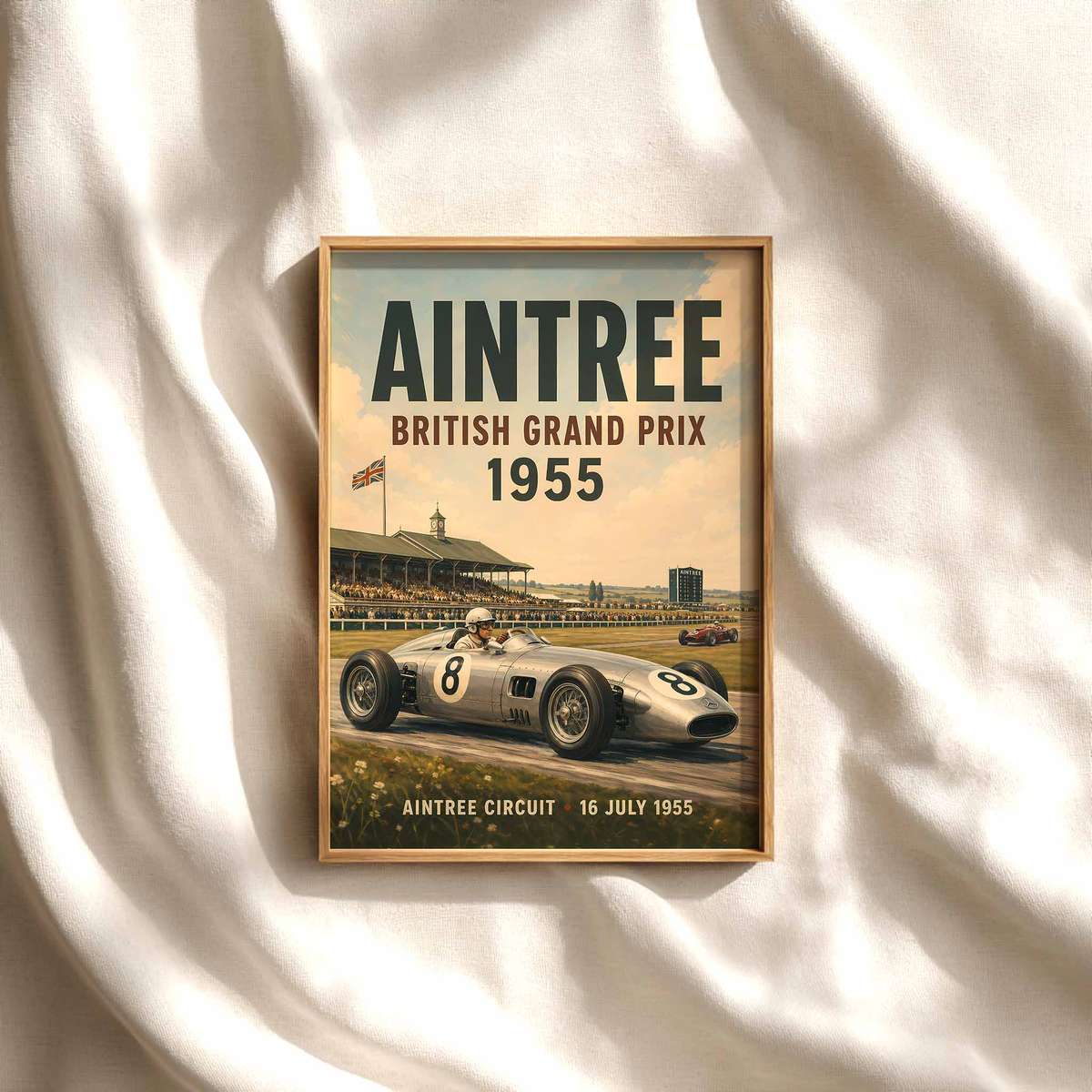
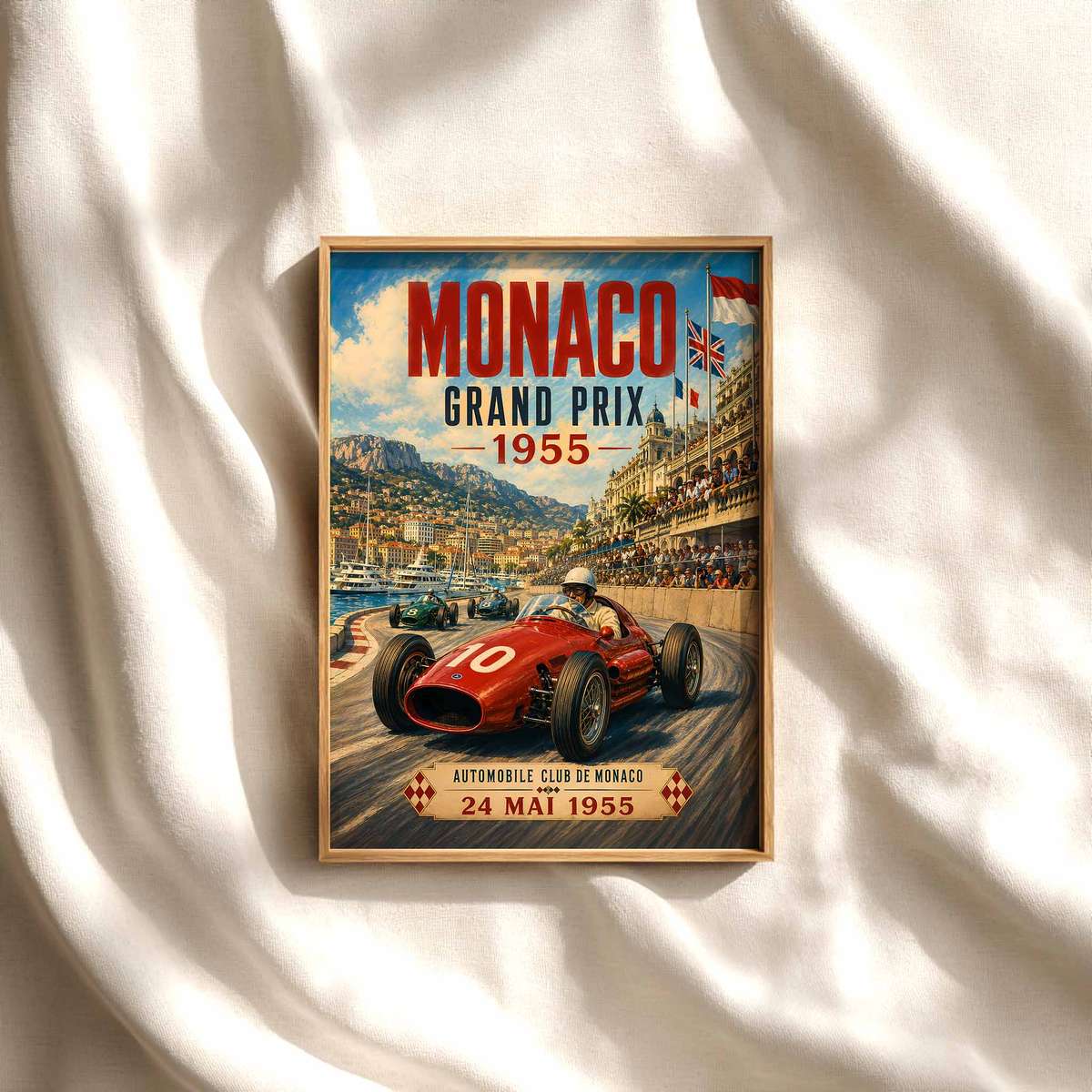
Posters play a unique role in motorsport heritage because they translate ephemeral events into lasting objects. A Monaco Grand Prix poster inspired by the 1980s does double duty: it commemorates a specific place and era, and it participates in the broader visual history of Formula 1. Collectors and curators often treat these prints as artifacts that reflect graphic trends, sponsorship evolution, and the sport's public image. When designed with fidelity to historical markers—period logos, accurate track layout, and era-appropriate color palettes—these posters help preserve and communicate motorsport heritage to future audiences.
Design Elements That Create Authentic 1980s Feeling
Designers aiming for an authentic 1980s F1 poster should consider several elements:
- Typography: Use bold sans-serifs or condensed typefaces common in motorsport advertising of the era.
- Color palette: Strong primary colors with muted secondary tones and film-like grain.
- Composition: Dynamic diagonals and negative space that suggest speed and motion without clutter.
- Material cues: Simulated paper fibers, edge wear, or subtle foxing to imply age.
- Iconography: Period-accurate silhouettes of F1 cars, era sponsor motifs and circuit map snippets.
How to Evaluate a Vintage-Style Poster for Authenticity and Value
When selecting a poster—whether for display or investment—consider these practical checks:
- Provenance: Is the design credited to a known artist or clearly described as a modern reproduction? Clear attribution and edition information increase trust.
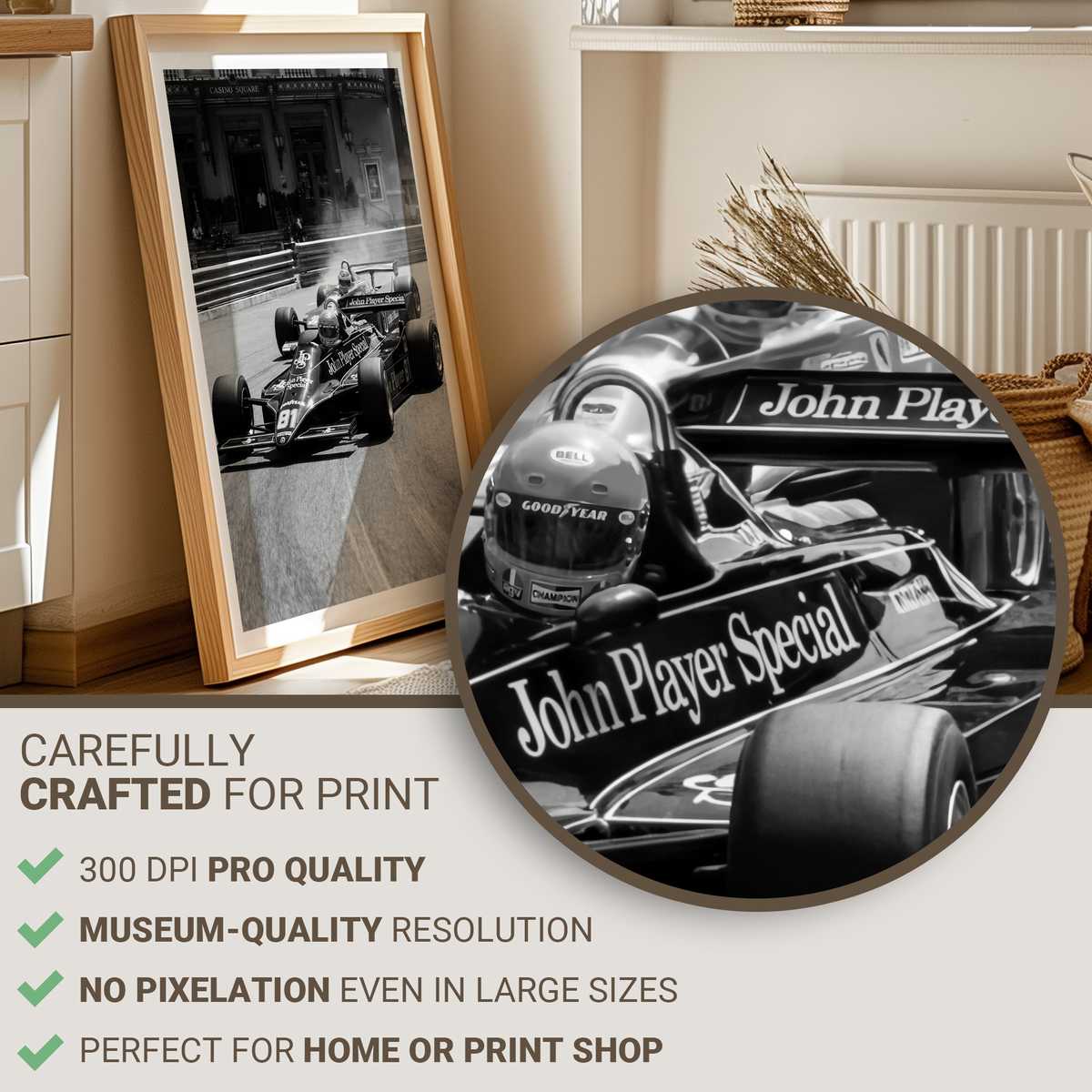
- Print quality: High-resolution printing that retains intentional grain and texture is preferable to low-quality blurring.
- Materials: Archival papers and inks preserve both the intended patina and the poster's longevity.
- Edition and numbering: Limited runs or numbered editions typically carry higher collectible value.
- Design fidelity: Look for accurate circuit details and historically consistent visual cues rather than generic 'retro' motifs.
Why These Posters Matter to Fans and Collectors
Beyond aesthetics, vintage Formula 1 posters offer a tactile connection to motorsport's past. They are conversation starters, educational pieces and emotional touchpoints that make history visible in everyday spaces. A Monaco poster inspired by the 1980s does more than recall a race; it preserves a design mindset and cultural moment, enabling new generations to experience the sport's visual memory.
Final Thoughts: Balancing Nostalgia and Integrity
The most successful vintage-style F1 posters balance nostalgia with respect for the historical record. Designers and makers should aim to evoke the era without inventing fictional details. Collectors should prioritize prints that communicate their lineage clearly—through quality materials, accurate design references, and responsible reproduction practices. In that balance lies the depth: a poster that looks vintage, reads like history, and functions as a genuine piece of motorsport heritage.
For a representative example that channels this spirit, consider the vintage Monaco Grand Prix posters that reproduce 1980s style while maintaining careful design fidelity and archival production standards.