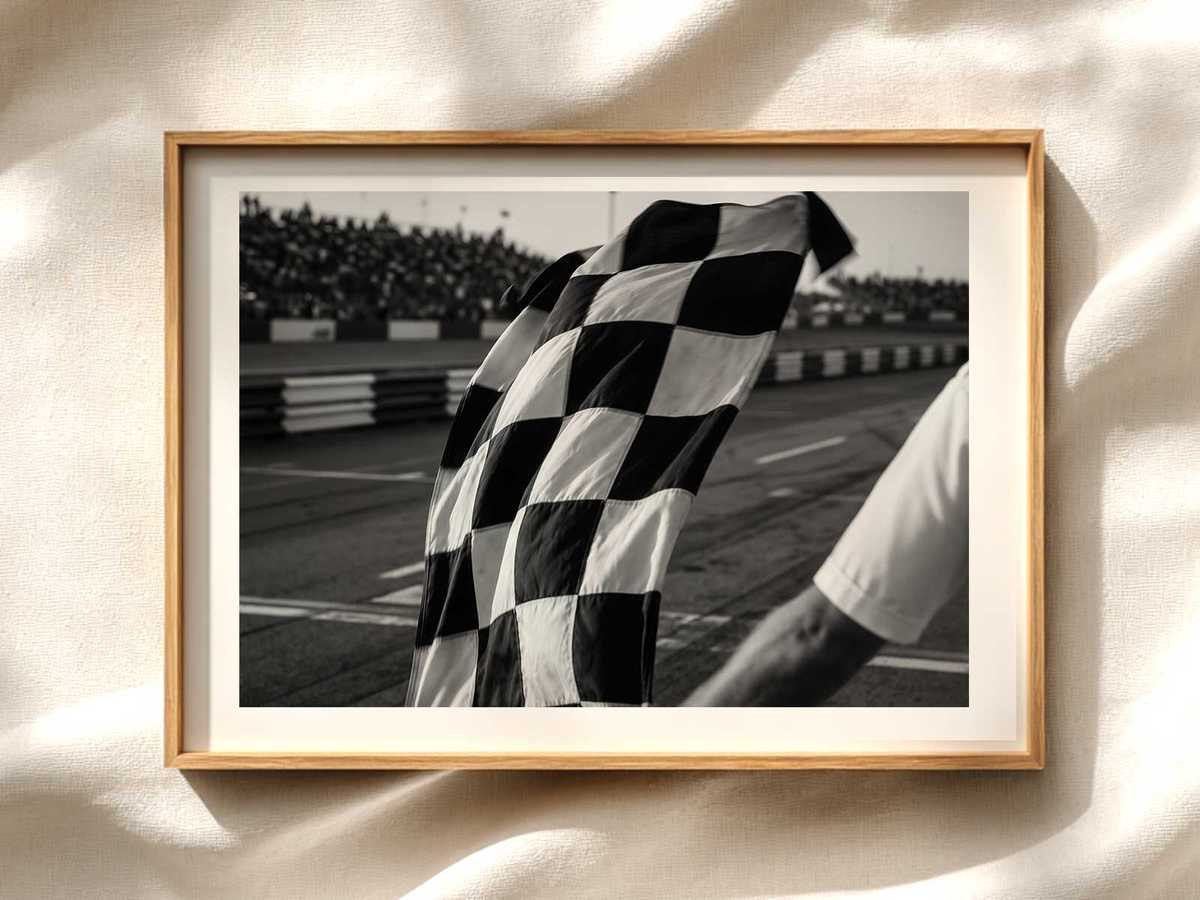
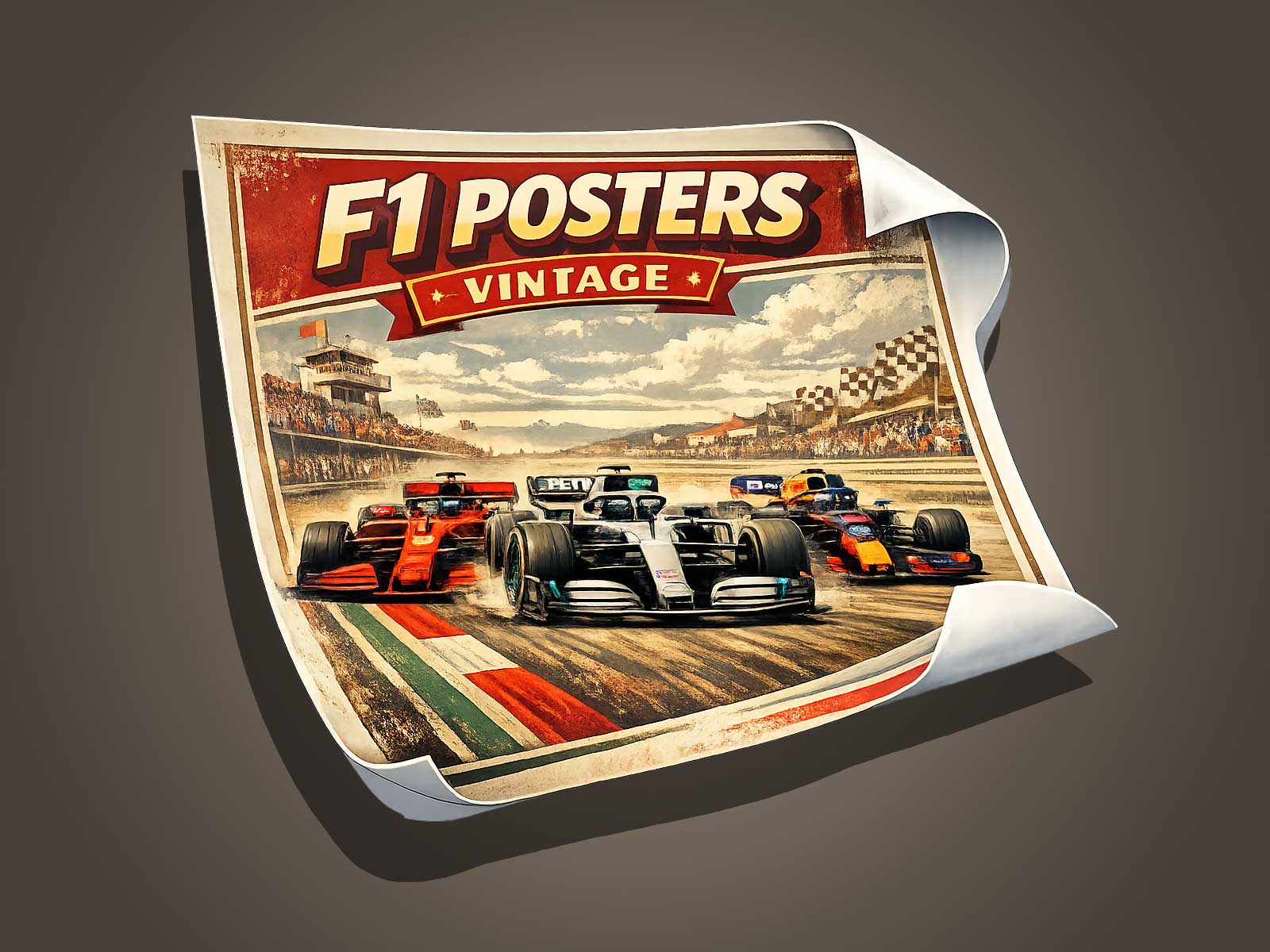
Miami’s skyline, neon-lit boulevards, and sun-baked palms already occupy a distinct place in global visual memory. When the F1 Miami Grand Prix is rendered through an 1980s-inspired racing poster style, that familiar imagery acquires new depth: a layered patina of time, an archival tone that evokes both the sport’s golden era and the city’s evolving identity. This article examines how vintage F1 poster design can transform Miami’s contemporary spectacle into a meaningful cultural artifact—valuable to collectors, historians, and fans alike.
Why vintage aesthetics matter for the Miami Grand Prix
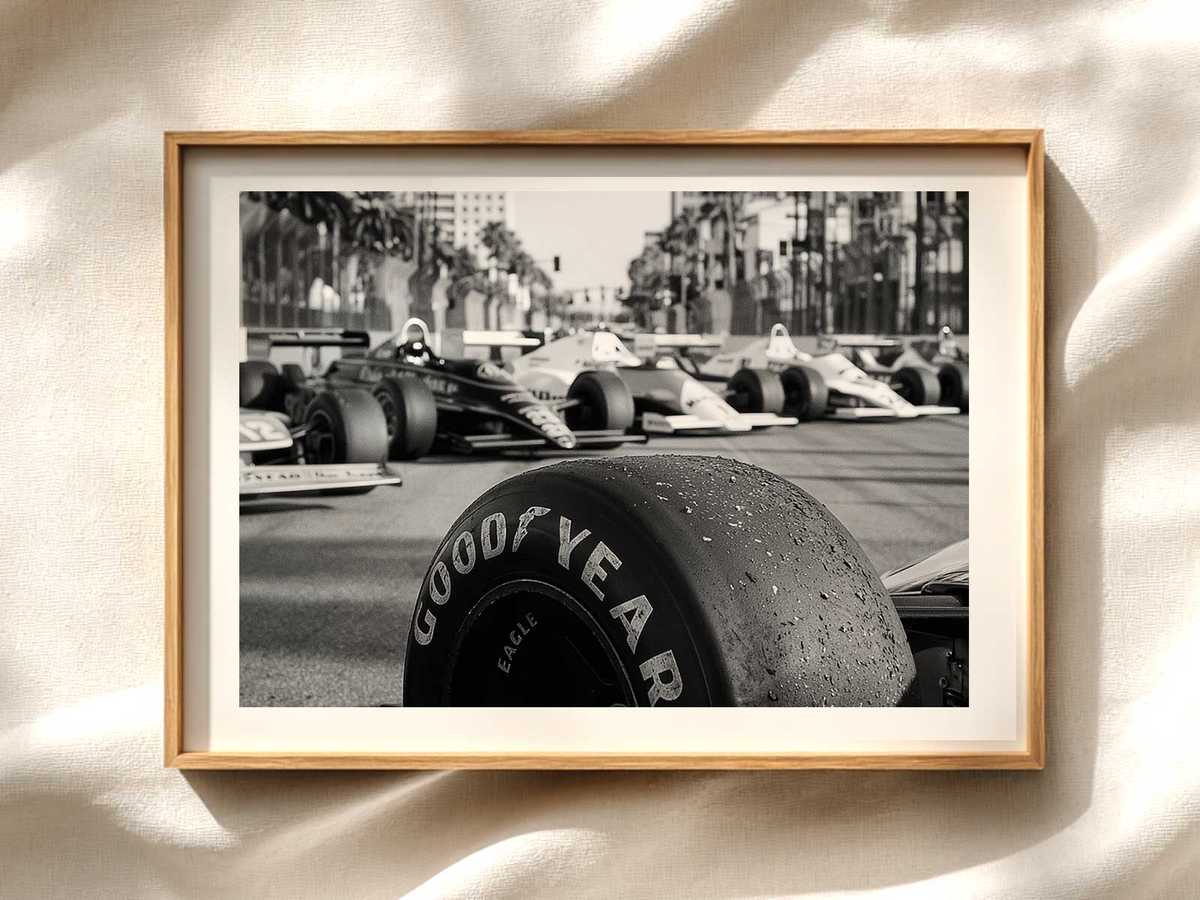
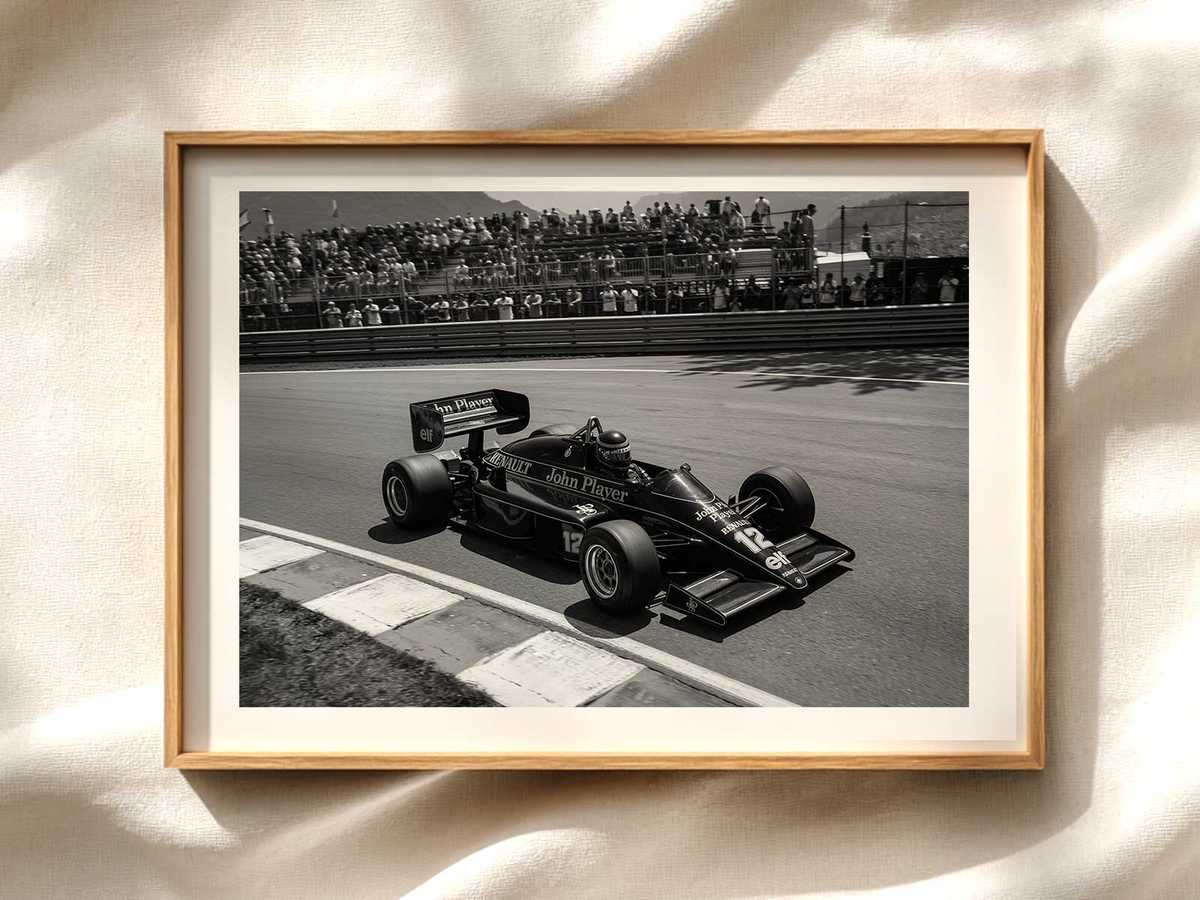
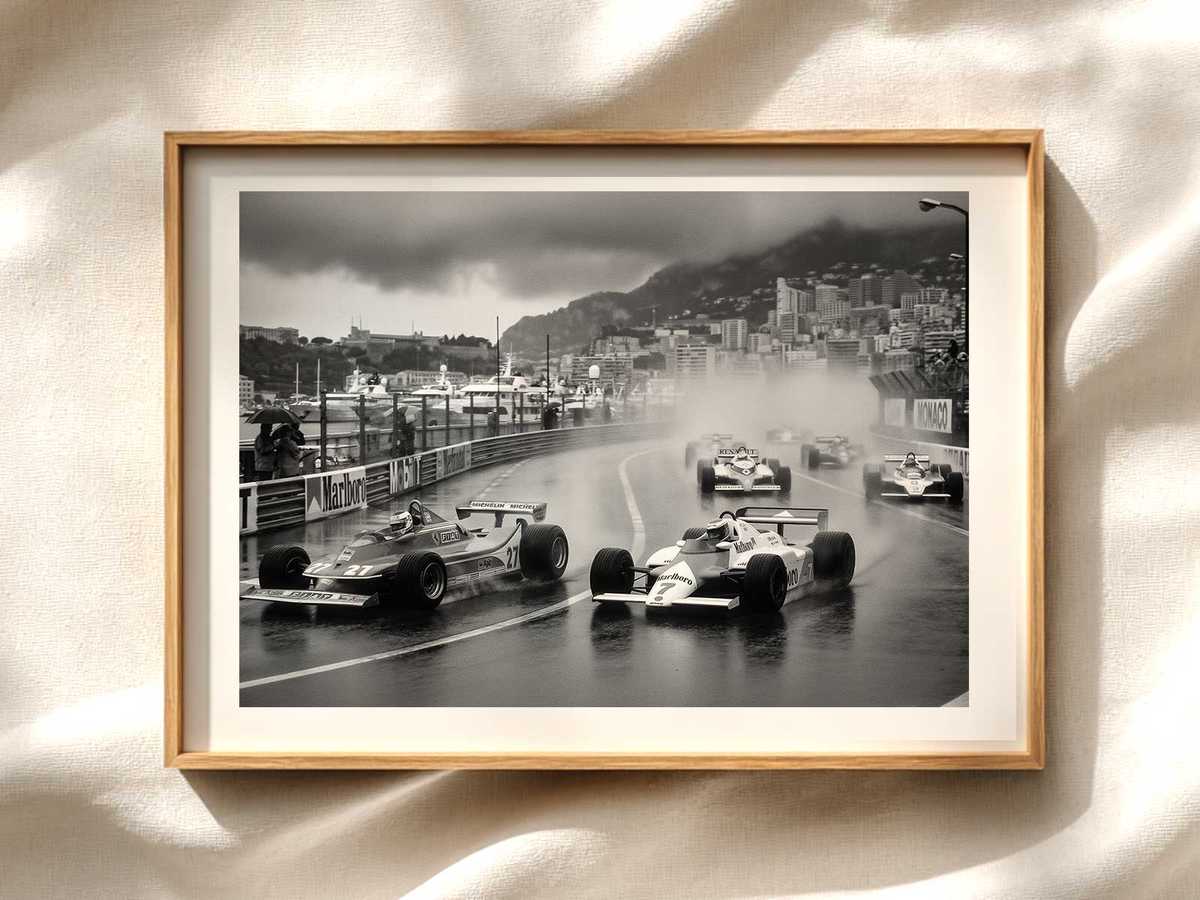
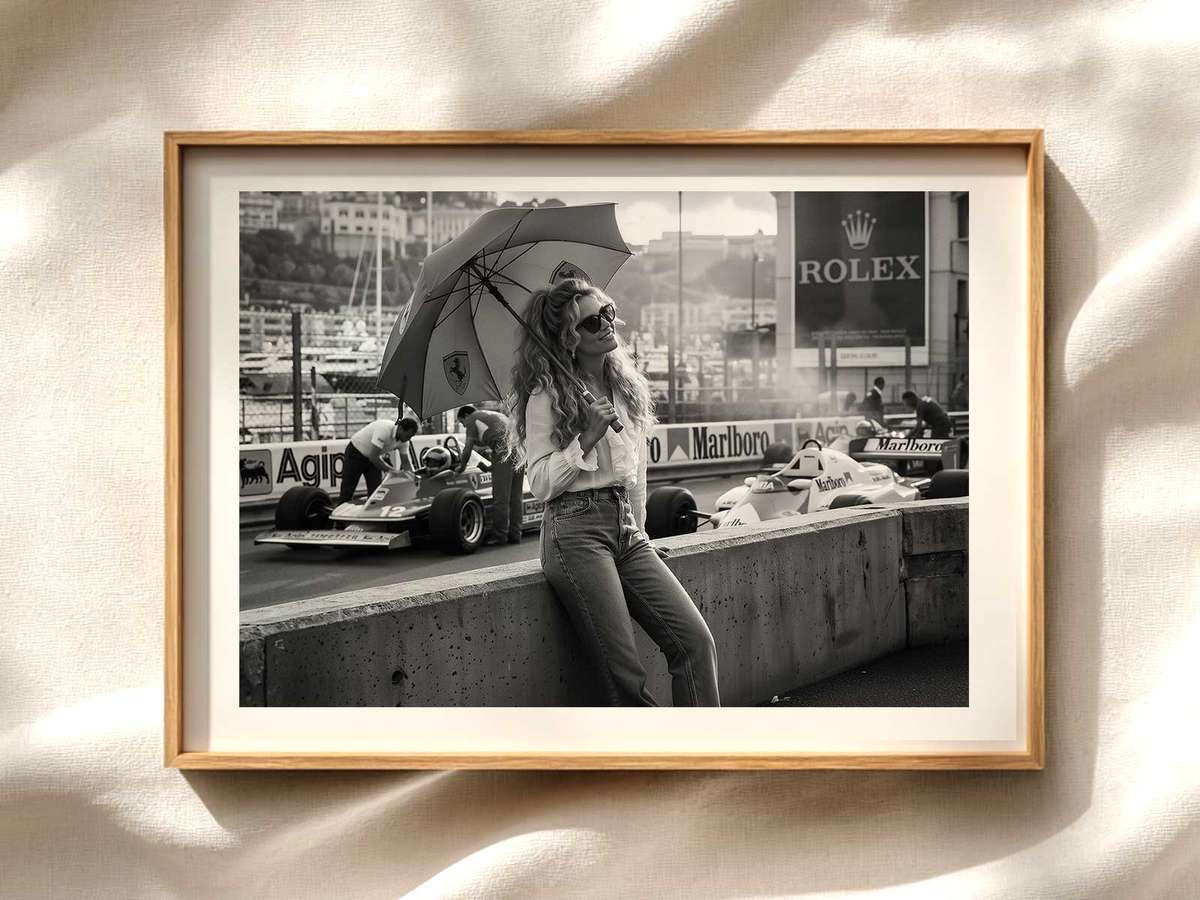
Design choices do more than decorate: they situate events in time. Applying 1980s F1 aesthetics—bold geometric shapes, limited color palettes, film grain and print texture—to Miami’s modern race visuals encourages viewers to read the event within a broader historical continuum. Rather than a disposable marketing image, the poster becomes a memory object that suggests continuity between past and present: between the heyday of analog motorsport publicity and today’s high-speed spectacle.
Memory and visual patina: how design ages an image
Patina is often used to describe physical aging, but in graphic design it refers to intentional visual cues—faded inks, halftone dots, slight misregistration—that signal history. When a Miami Grand Prix poster adopts those cues, it does two things: first, it evokes nostalgia, inviting older fans to place the race in personal timelines; second, it grants younger audiences an aesthetic that feels storied and collectible. This manufactured aging transforms a single event poster into a vessel for shared memory.
Composition techniques that link Miami and F1 heritage
Practical design strategies bridge the city and the sport. Use of hard-edged typography and strong diagonal lines—hallmarks of 1980s motorsport ads—can mimic the velocity and geometry of a racetrack. Incorporating iconic Miami motifs (palm silhouettes, Art Deco windows, ocean gradients) in restrained tones ties locale to sport without overwhelming the racing subject. Layering grain and subtle paper textures completes the effect, ensuring the work reads like an artifact rather than a modern promo.
Preserving value: why collectors prize vintage-style F1 posters
Collectors look for provenance, rarity, and narrative. A Miami Grand Prix poster that intentionally references 1980s F1 graphic language offers a compelling narrative: it is not only about a race but about cultural resonance. Limited runs, numbered editions, and high-quality printing on textured stock amplify perceived heritage. Over time, such works can function as commemorative objects that document how the city and the sport were imagined at a specific moment.
Case study: translating Miami’s neon into analog printing
Neon and chrome are central to Miami’s visual identity. To translate that into an 1980s F1 poster, designers often substitute photographic neon for flat spot colors that read consistently in offset printing. Strategic use of two or three dominant colors—hot pink, teal, and deep navy—paired with black halftone shading can recreate Miami’s vibrancy while remaining faithful to vintage print constraints. The result is a piece that feels both immediate and historically grounded.
Balancing authenticity and contemporary relevance
Authenticity means respecting the visual grammar of the era while avoiding pastiche. Successful vintage F1 posters for the Miami Grand Prix integrate period-accurate elements with modern composition sensibilities: clear hierarchy, legible typography, and attention to scale on both digital and physical platforms. This balance keeps the poster relevant as a contemporary object while allowing it to function as a heritage piece.
Conclusion: cultural memory through designed objects
When Miami’s distinctive visual identity is reframed through an 1980s-inspired F1 aesthetic, the result is more than stylistic nostalgia. It is a deliberate act of cultural preservation: creating posters that serve as memory anchors, convey historical depth, and accumulate patrimonial value. For designers, collectors, and fans, these works make the Miami Grand Prix legible not only as a sporting event but as a continuing chapter in the city’s visual story.
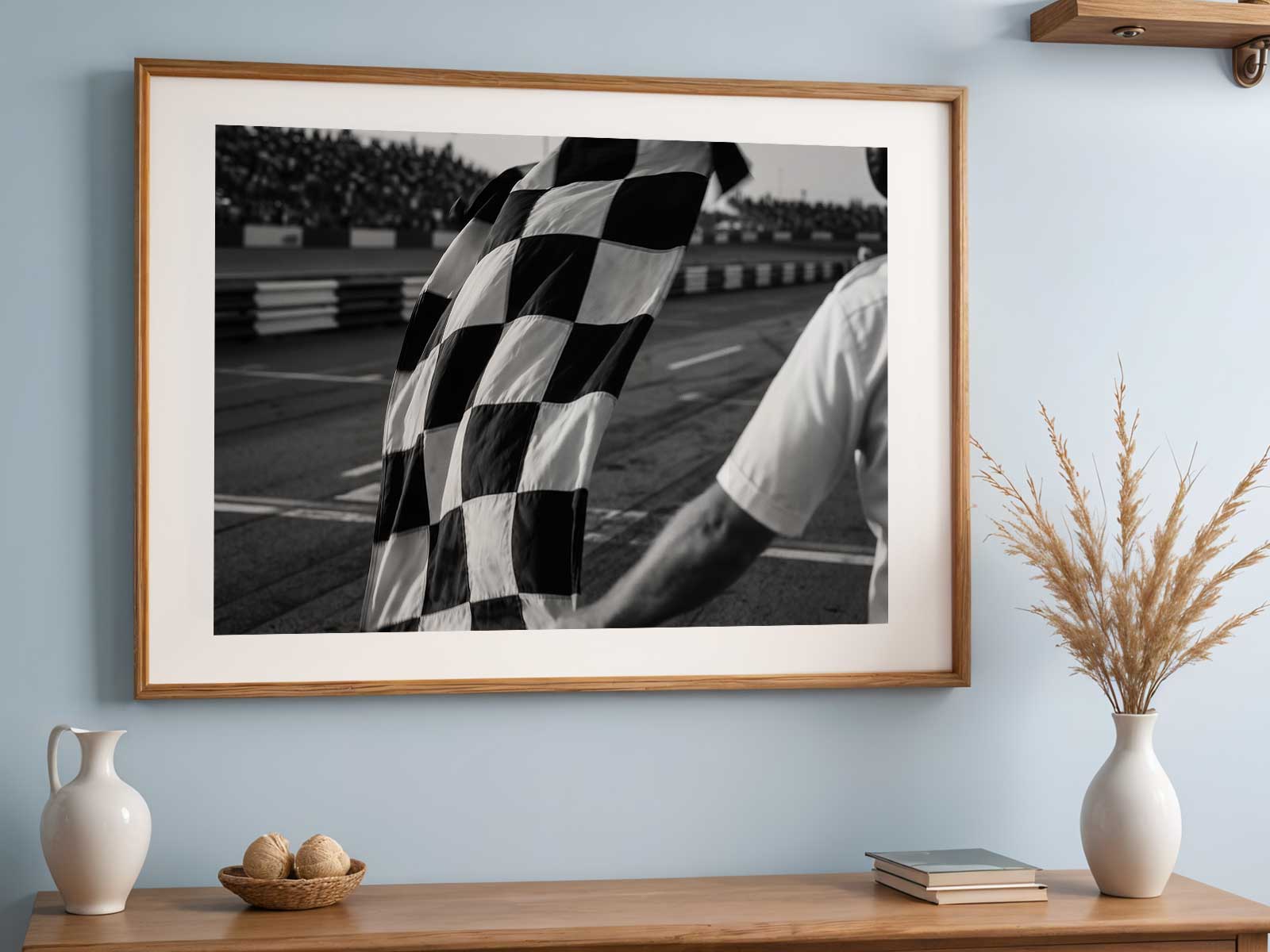
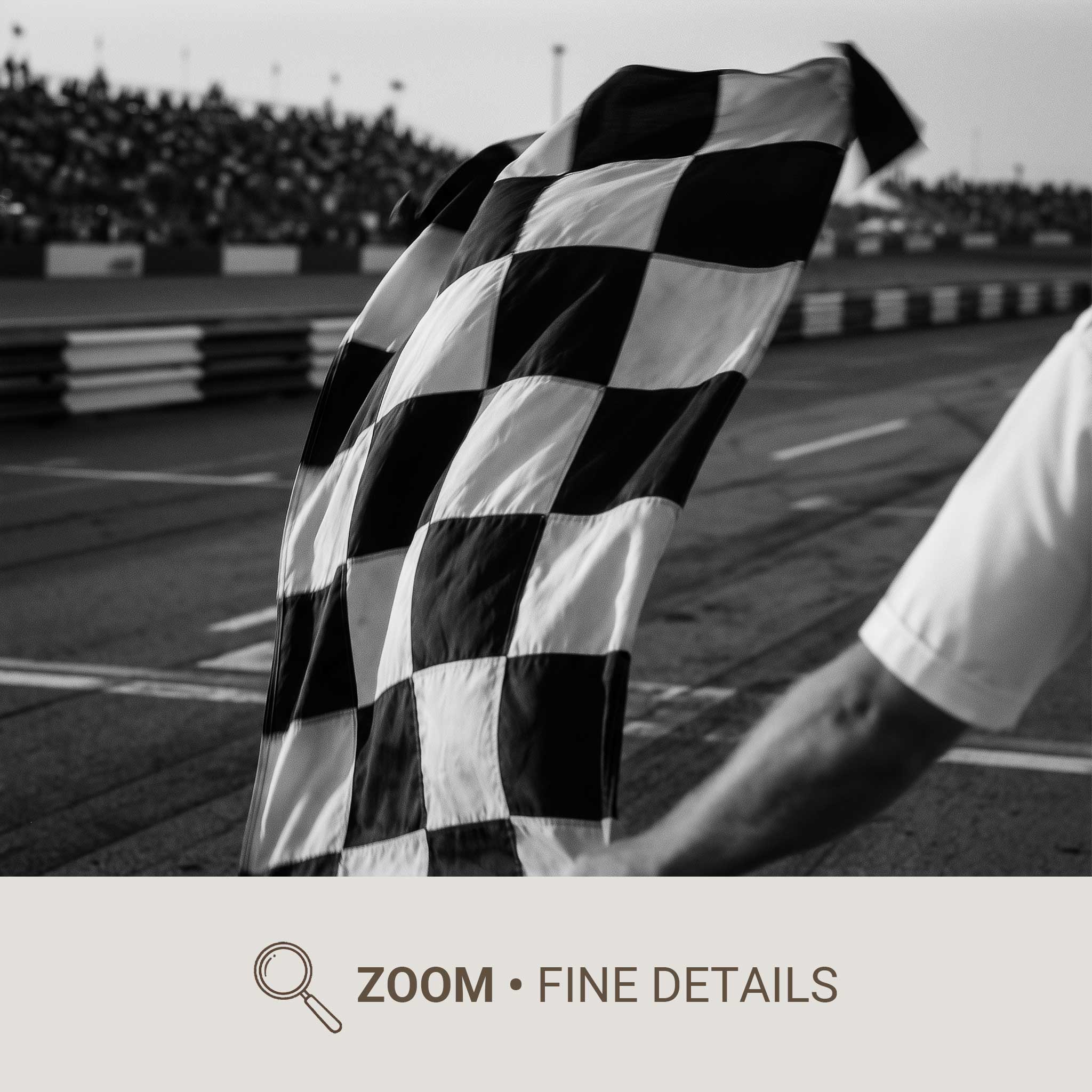
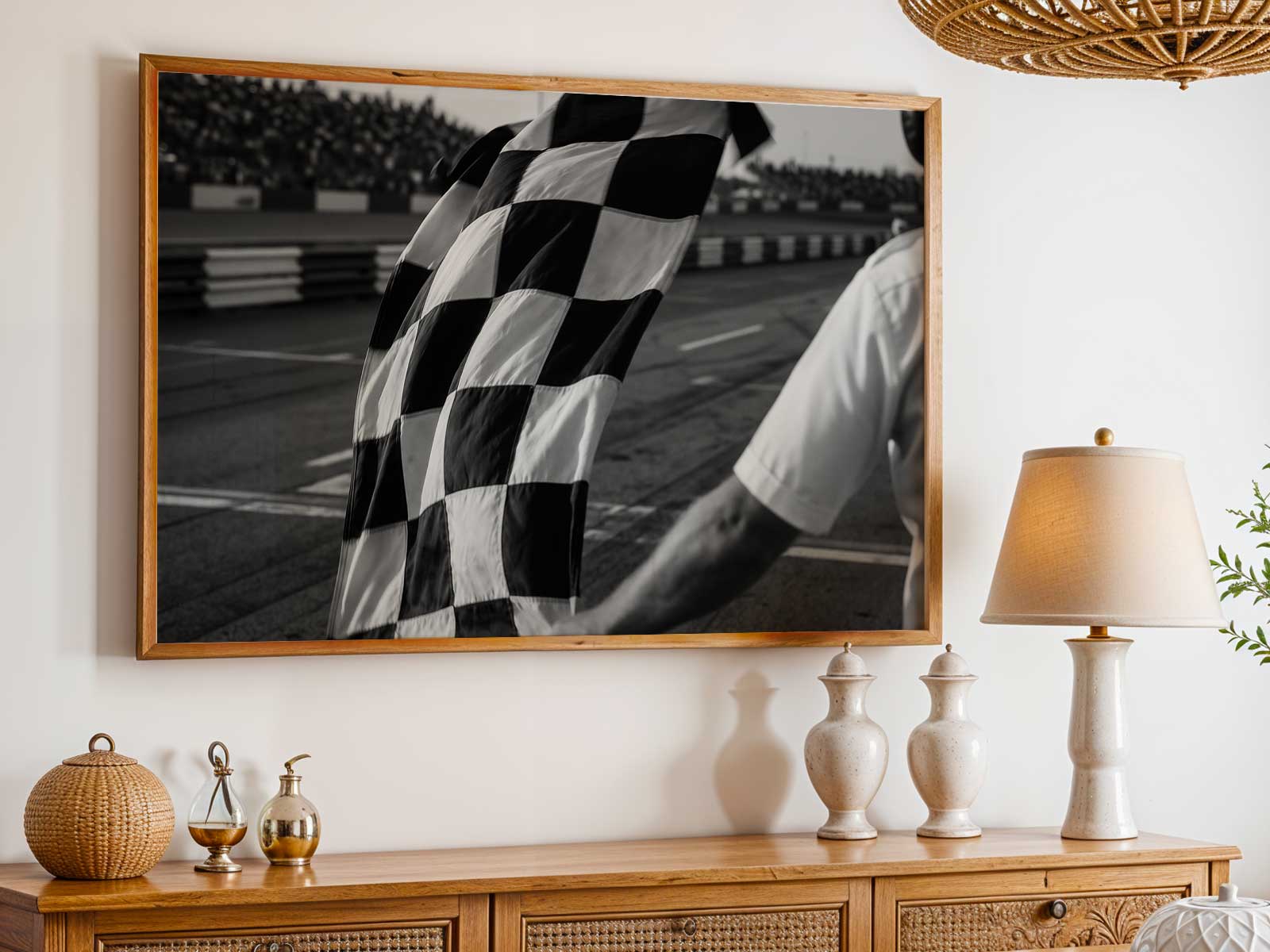
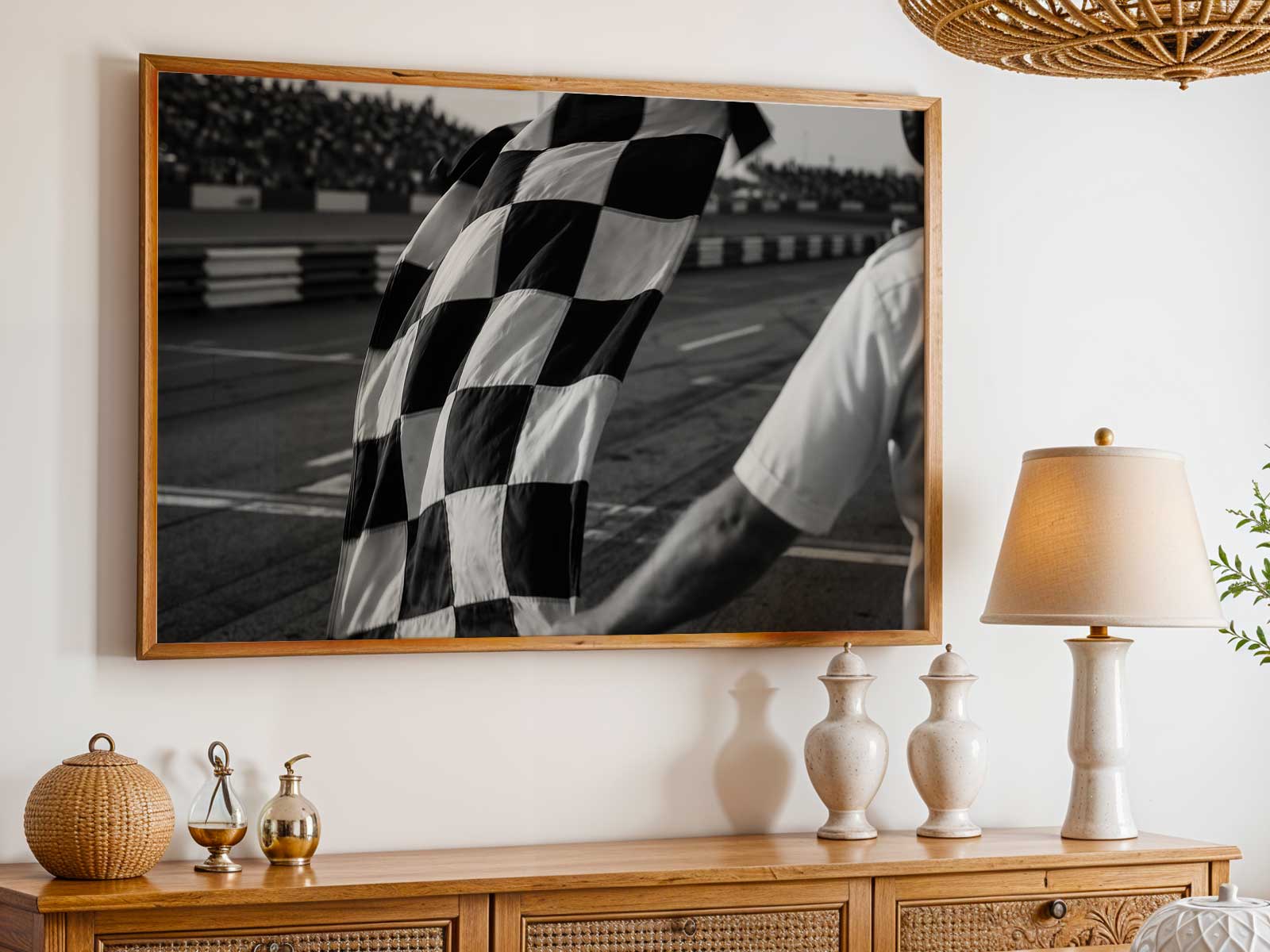
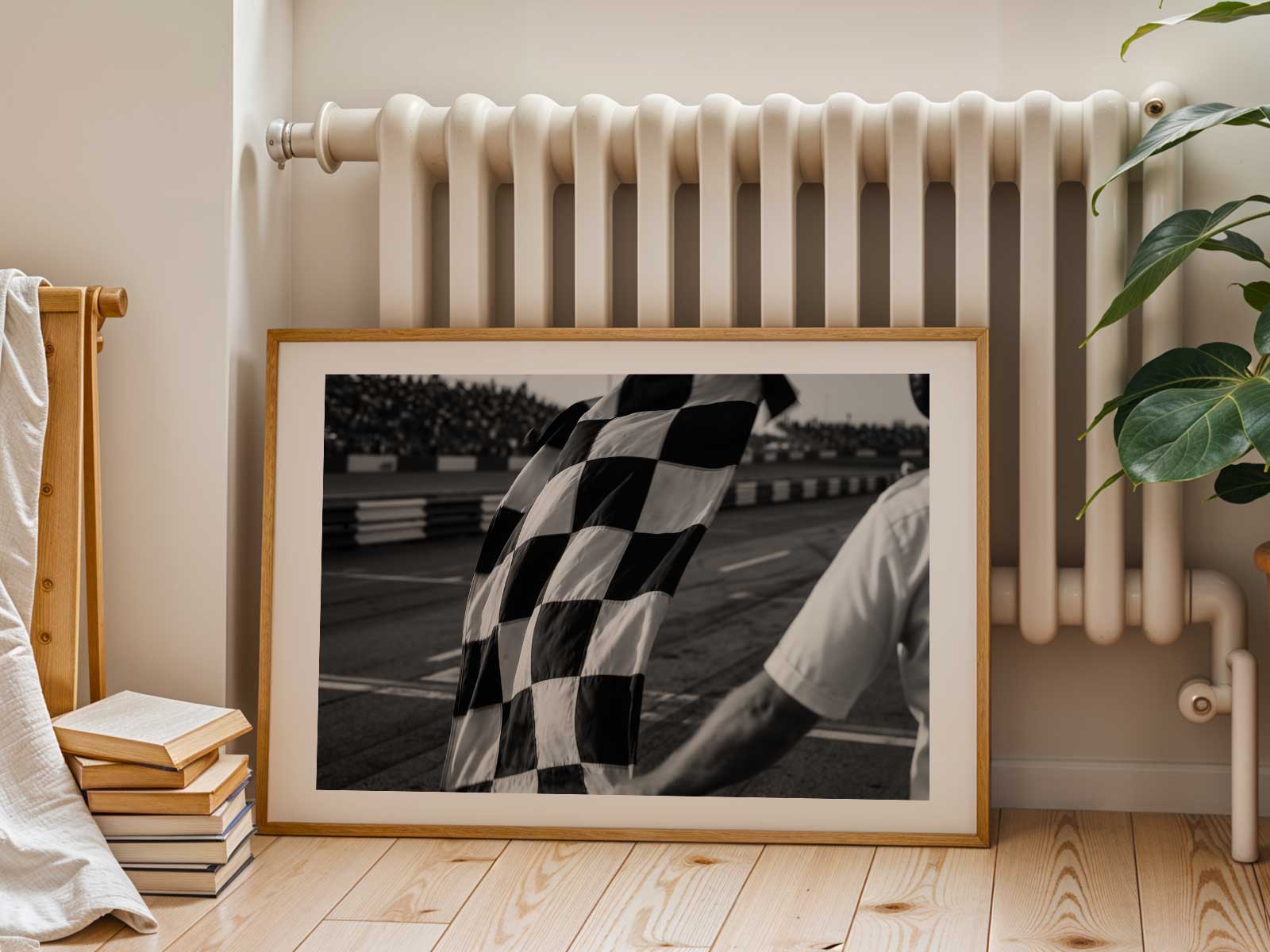
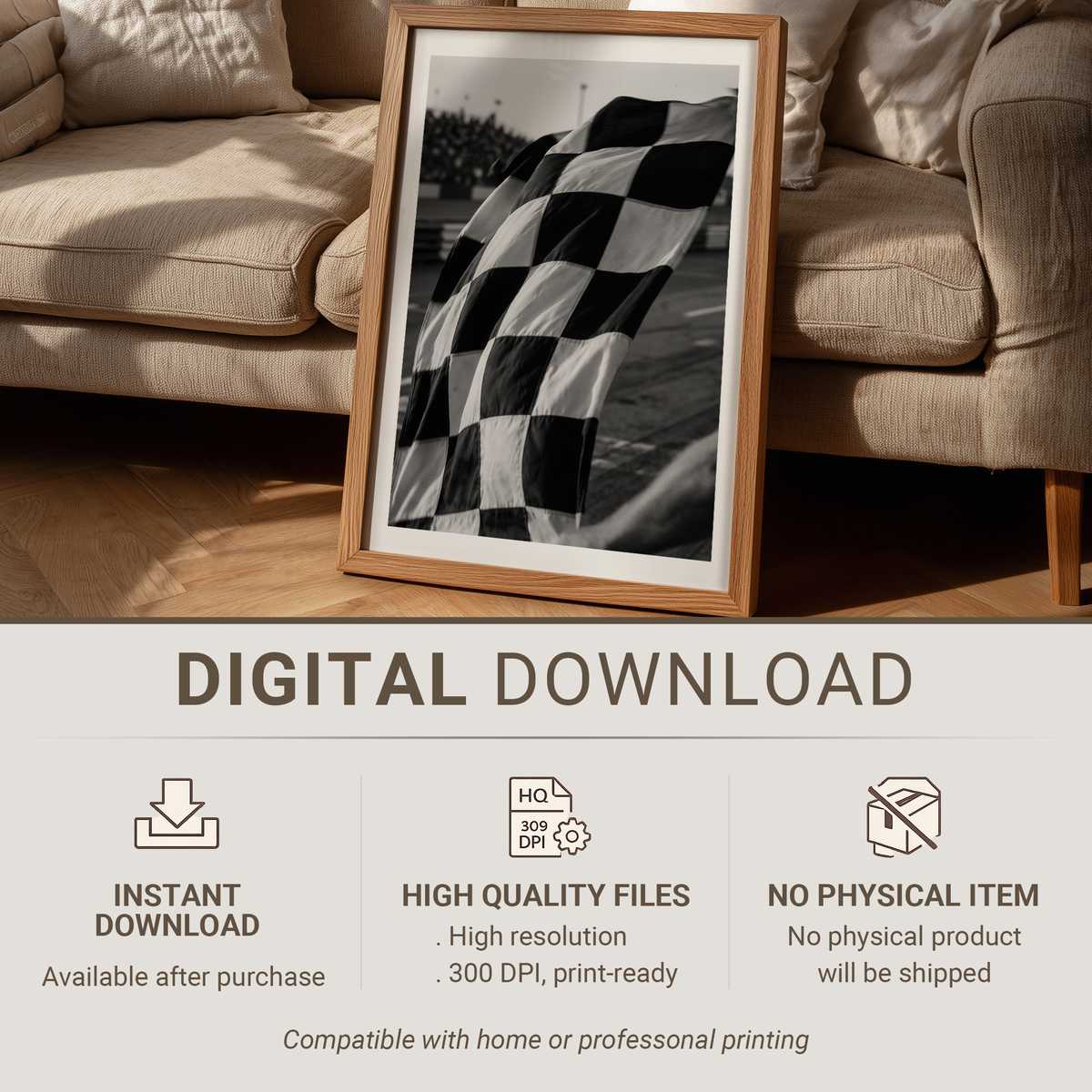
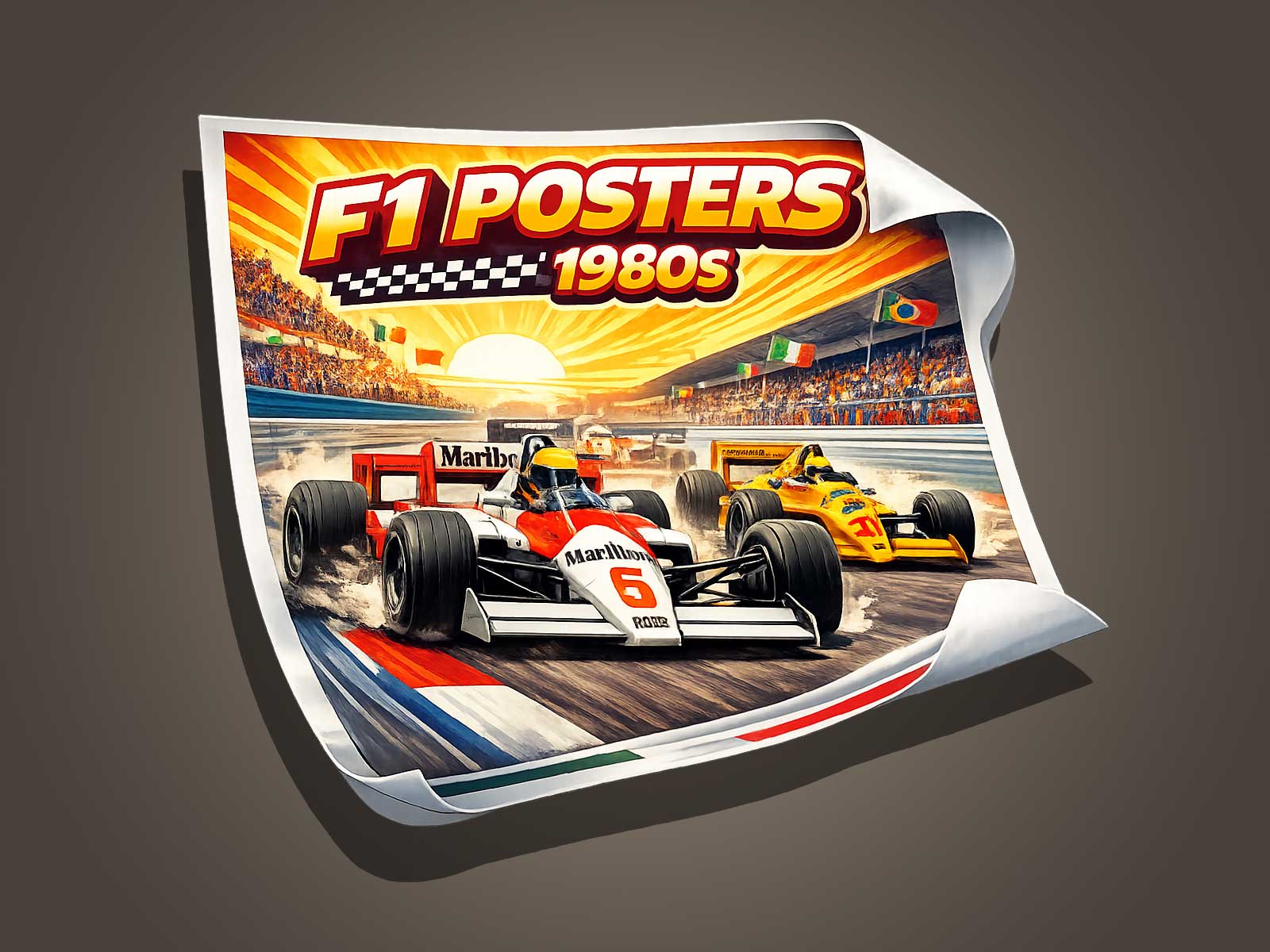
See the poster that inspired this approach: Finish Line — F1 Poster (80s Racing).