F1 flags explained: what each marshal flag means and why they matter
Flags and track light panels are the language race control and marshals use to manage every Formula 1 session. They tell drivers when to slow, when the session has stopped, when to give way, and when a car must return to the pits. Understanding those signals is essential for safety, fair racing and for following what is happening on track.
The FIA International Sporting Code (Appendix H) defines official flag signals and confirms that light panels have the same meaning as flags. Drivers must comply with those signals: failings can lead to formal FIA action.
Clear definition: what the main flags mean in Formula 1
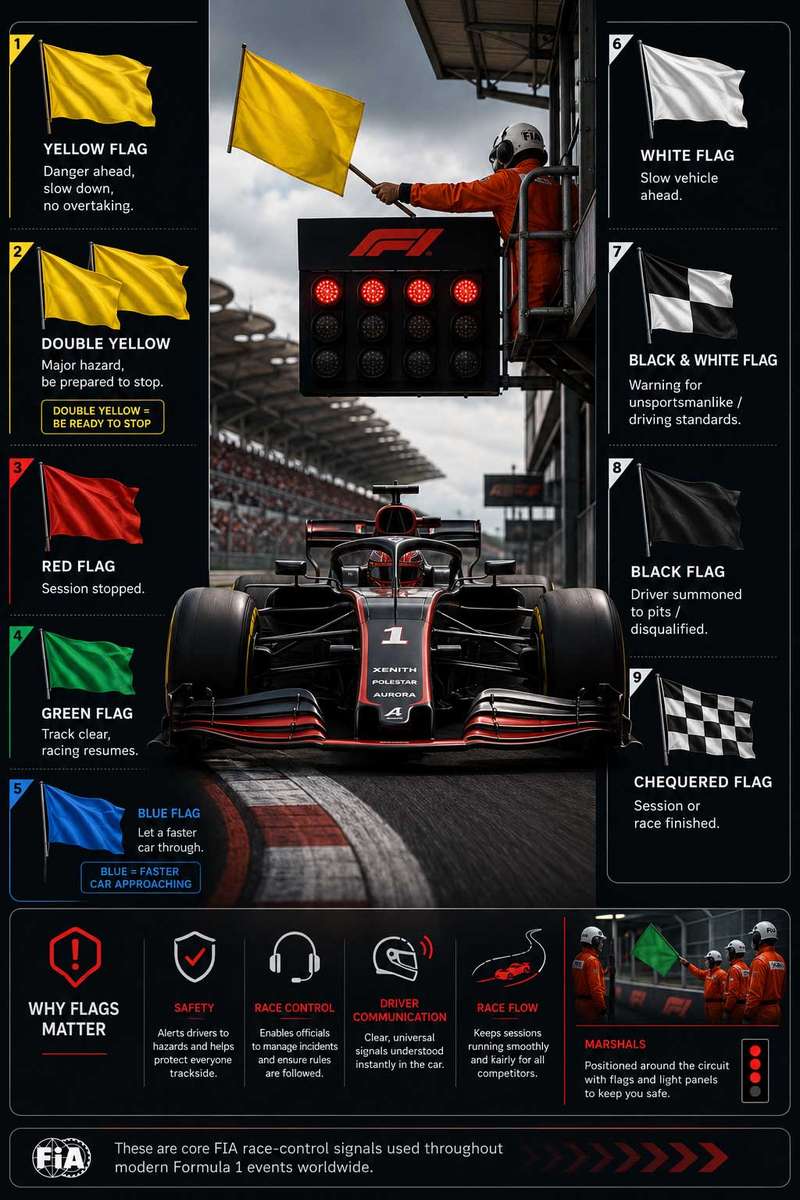
The FIA International Sporting Code (Appendix H) and associated light-signal guidance set out the official flag signals used in circuit competition. Flags and circuit LED light panels carry the same meanings and must be respected by competitors. The system covers session control (chequered, red), hazard communication (yellows, red-and-yellow), vehicle warnings (white), overtaking instructions (blue) and disciplinary or safety orders (black variants).
How yellow flags work: single versus double waved yellows
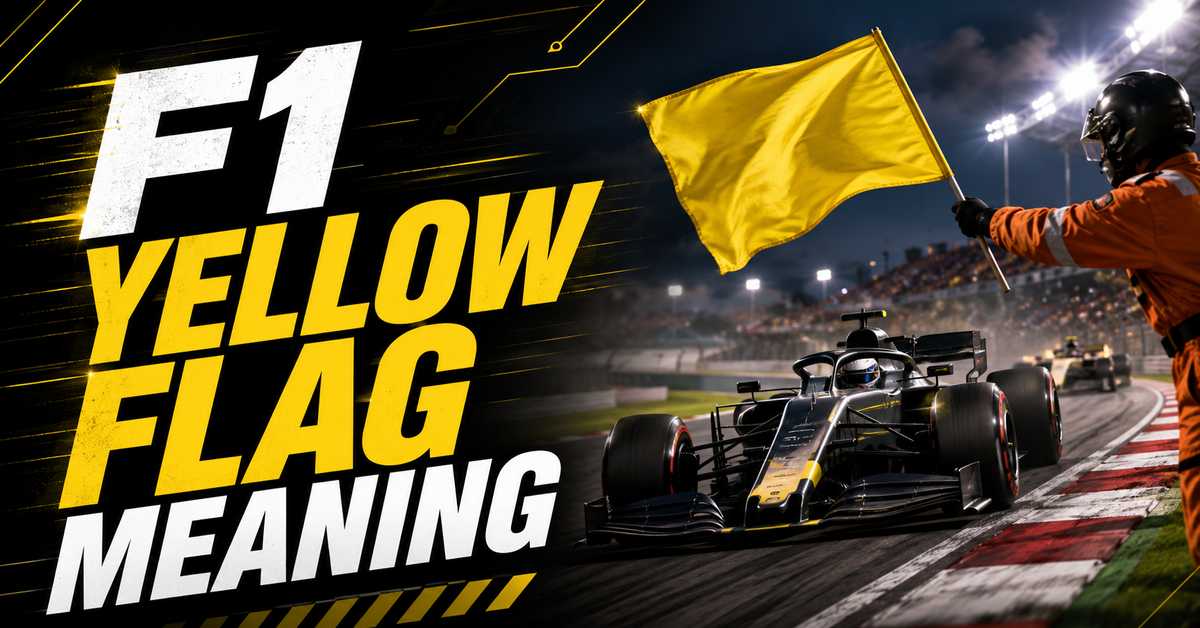
A single waved yellow indicates a hazard beside or near the track. Under a single wave drivers must reduce speed, be prepared to change direction and must not overtake. A double waved yellow points to a more serious incident — part of the track may be blocked or a car may be stranded — and drivers must slow significantly, be prepared to stop, and absolutely must not pass other cars in that zone. These requirements apply whether the signal is given by a marshal flag or a light panel.
Red flag: when the session is stopped
The red flag stops the session or race for safety reasons, such as a serious accident, a blocked track or extreme conditions. When displayed, drivers must reduce speed and return to the pits or follow the instructions of marshals and race control. The red flag is a full suspension of on-track running until race control declares it safe to resume.
Blue, white and red-and-yellow: movement, slow vehicles and slippery surfaces
The blue flag is a sporting instruction to a slower car that a faster car is approaching to lap it; the slower driver must allow the faster car to pass. Non-compliance can result in penalties under FIA procedures. The white flag warns of a slow-moving vehicle on the racing line, such as a recovery or medical vehicle, so drivers must approach with caution. The red-and-yellow striped flag is used to warn drivers of a slippery surface in that zone — typically oil or debris — and requires reduced speed and extra care through the affected part of the track.
Black flags, the meatball and unsportsmanlike warnings
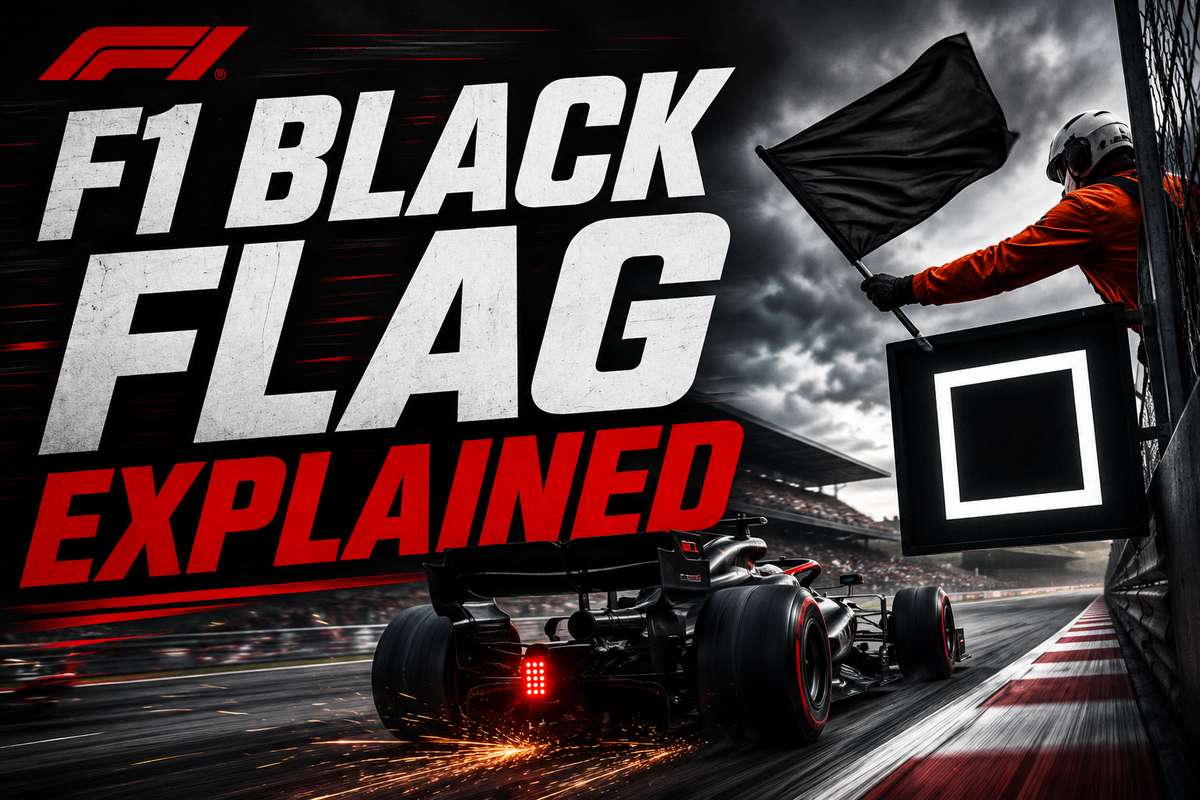
The black flag shown with a car number is a direct order for the driver to return to the pits and retire; it signifies exclusion or disqualification from the session. A black flag displayed with an orange disc (commonly called the "meatball") tells a driver that their car is damaged or presenting a danger and must pit so the issue can be fixed or the car retired. Separately, a black-and-white diagonal flag displayed with a car number is a formal sporting warning to a driver for unsportsmanlike behaviour.
Rules and FIA procedures: compliance and enforcement
The FIA code explicitly equates flags and light panels and requires competitors to comply. Race control can investigate and issue penalties when drivers disobey signals — for example, failing to respect double waved yellows has been the subject of published FIA decisions. The formal nature of these signals means marshals and race control rely on them to manage immediate danger and enforce sporting rules.
Why flag rules are essential for safety and race control
Flags are the fastest, clearest way to communicate changing track conditions to drivers. They coordinate driver behaviour around live hazards, give instructions that prevent collisions with rescue teams or disabled cars, and allow race control to pause or end sessions cleanly. Because timing and compliance affect on-track speed and overtaking permissions, flags directly influence race outcomes as well as protecting marshals and drivers.
Fan viewing guide: how to spot and interpret flags on screen
Television often shows marshal posts, but modern circuits also display LED light panels around the track and use in-car steering-wheel indicators and team radio to relay context. If you see a single yellow, expect an incident off-line; double yellows usually mean a more serious stoppage risk and little or no overtaking. A blue flag often appears alongside a car number graphic when a lapped car is being asked to let a leader through. Red flags are usually accompanied by an on-screen explanation and a stoppage of timing for the session.
Closing interpretation
Flags are simple visual signals with profound consequences: they control speed, manage overtaking, protect people on track and underpin race control authority. For fans, recognising the main flags — and understanding the difference between a single and double yellow, or between a meatball and a black flag — makes live sessions far easier to follow. For drivers and teams the system is non-negotiable: obeying flag signals preserves safety and avoids formal FIA action that can alter a race or a season.
Author: Eric M.