Marcus Ericsson — Risk, Control and Decision-Making at the Limit
Marcus Ericsson's career trajectory — from Formula 1 to becoming an NTT INDYCAR SERIES winner and Indianapolis 500 champion — offers a clear frame for examining how a professional open‑wheel driver manages risk. This article looks at where crash risk appears in high-speed racing, how drivers judge grip and instability, and how experience and preparation alter choices under pressure. It draws on documented events in Ericsson's career and published series reporting to keep interpretations grounded.
Using verified race reports and official profiles, we explore the mechanisms of risk in open‑wheel racing and how Ericsson's results and public features illustrate adaptation and consistency.
Where Formula 1 and IndyCar risk really lives
At the simplest level, crash risk in top-level open‑wheel racing clusters where high speed, low grip margins and complex interactions coincide: heavy braking zones, narrow kerb-limited exits, first-lap traffic, restarts, and multi‑car passing sequences. While this article focuses on the decision-making process rather than cataloguing accidents, Ericsson's recorded history — from his documented wins including the Indianapolis 500 to sequences of incidents reported in May 2024 and a hard test crash reported in 2026 — highlights how even experienced race winners face concentrated periods of elevated exposure.
Reading the edge of grip and instability
Judging the limit is a sensory and cognitive task. Drivers combine feedback from the steering, tyre slip, brake feel and the car's yaw to decide how close they can run to the threshold of understeer or oversteer. Public reporting and official features describing Ericsson emphasise consistency and deliberate preparation; that profile suggests a driver who prioritises repeatable inputs and predictable car balance to reduce sudden instability. Where telemetry or team debriefs are not public, the sensible interpretation is that preparation and a focus on consistency reduce the frequency of surprise departures from the limit.
Braking commitment and escape margin
Heavy braking zones are where commitment meets consequence. Drivers select a braking point that leaves a margin for variance — tyre temperature, track evolution, fuel load and curb interaction all change available grip. Ericsson's competitive background in IndyCar, including high‑pressure events covered in official profiles, shows the importance teams place on measured braking inputs and consistent references. The available reporting does not provide telemetry, so the correct editorial stance is to describe the mechanism: drivers manage braking via repeatable reference points, progressive pedal application and contingency plans if a lock‑up occurs.
Wheel-to-wheel judgement and overtaking commitment
Close-quarters racing requires continuous risk assessment: line choice, overlap rules, visibility and the opponent's likely reaction. Features on Ericsson's approach describe deliberate adjustments and preparation, which typically manifest as conservative positioning until a clear overtaking window opens. This approach reduces avoidable contact while still enabling decisive moves when the risk/reward is favourable. We should note that public sources provide race results and feature commentary rather than behavioural metrics for every overtake, so the article emphasises the principle rather than inventing incident-by-incident claims.
Wet conditions and changing track state
Wet or mixed conditions magnify uncertainty: grip varies across the racing line, visibility can be compromised, and tyre warm‑up becomes unpredictable. Drivers cope by widening the scanning zone, accepting lower speeds to gain confidence, and using incremental increases in commitment as the track rubberises or dries. Indications from team and series features about Ericsson's preparation and testing work imply a methodical approach to unstable conditions — building confidence through testing and incremental adaptation rather than abrupt aggression.
Starts, restarts and high‑density moments
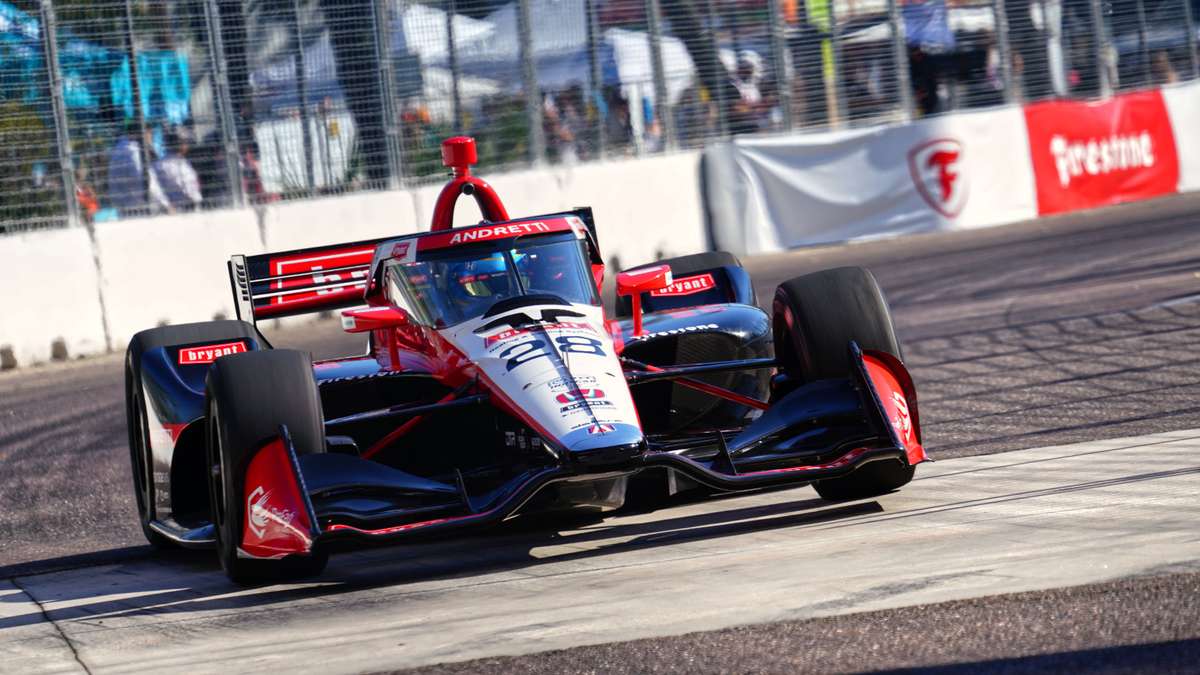
First laps and restarts compress risk: many cars, cold tyres, and strong incentive to gain positions. Contemporary reporting that recorded a difficult period for Ericsson in May 2024 — including a notable opening‑lap incident at the Indianapolis 500 — underlines that even consistent drivers can be drawn into high-density problems. The practical lesson is the same across series: drivers manage those laps by prioritising clear escape routes, avoiding overly optimistic gaps and relying on rehearsed clutch and throttle inputs to reduce wheelspin and errant direction changes.
Bravery versus calculated risk
Public features and official profiles describe Ericsson as a driver who has worked on consistency and preparation. That framing fits the distinction between bravery — a readiness to accept high probability of contact for position — and calculated risk, where a move is taken only when the expected reward outweighs known hazards. Ericsson's career highlights, including winning the Indianapolis 500 and multiple IndyCar victories, show he can deliver under pressure. Reporting of incident sequences and subsequent recovery also illustrates how resilience and adaptation matter when a driver is forced to reset their approach mid-season.
How experience reshapes decision‑making
Experience provides two concrete advantages: a richer dataset of prior outcomes and better calibration of the car's window of predictability. Official features on Ericsson note deliberate off‑season work and testing aimed at honing preparation. In practice that means more reliable visual and kinesthetic references, improved tyre and brake management, and a refined sense of when to back off or to press on. The verified record of wins and consistent performances supports the editorial inference that such methodical preparation contributes to reduced avoidable errors over a season.
Pressure, mental filtering and recovery
High pressure exposes drivers to cognitive overload: narrowing of attention, premature decisions, or misreading dynamic cues. Reporting that covers Ericsson's periods of difficulty followed by recovery (for example his reset after the May 2024 incidents) demonstrates a common pattern — drivers can experience a run of bad luck or mistakes and then rebuild confidence through result-driven routines and focused testing. Publicly available sources document Ericsson's application to preparation and testing, which is a recognised method to restore the mental filtering that separates high-quality decisions from risky impulses.
- Risk concentrates where speed, limited visibility and narrow margins coincide; drivers reduce exposure by creating repeatable inputs and escape plans.
- Braking and wheel‑to‑wheel choices are calibrated against tyre, track and traffic uncertainty rather than taken purely on instinct.
- Wet and first‑lap situations require incremental commitment until confidence is rebuilt; testing and preparation are practical tools for mitigation.
- Ericsson's documented career — race wins including the Indianapolis 500 and features describing consistent preparation — supports an interpretation of a driver who relies on methodical risk management to convert speed into results.
Author: Alex R.