Kimi Räikkönen and the calculus of risk: limit management, judgement and…
Kimi Räikkönen's reputation in Formula 1 rests on a striking contrast: a public persona of calm reserve known as "The Iceman" and an on-track style that has repeatedly shown a readiness to push to the limit. This article examines where risk arises in F1 and how Räikkönen's particular mix of aggression, judgement and experience shaped his approach to that danger.
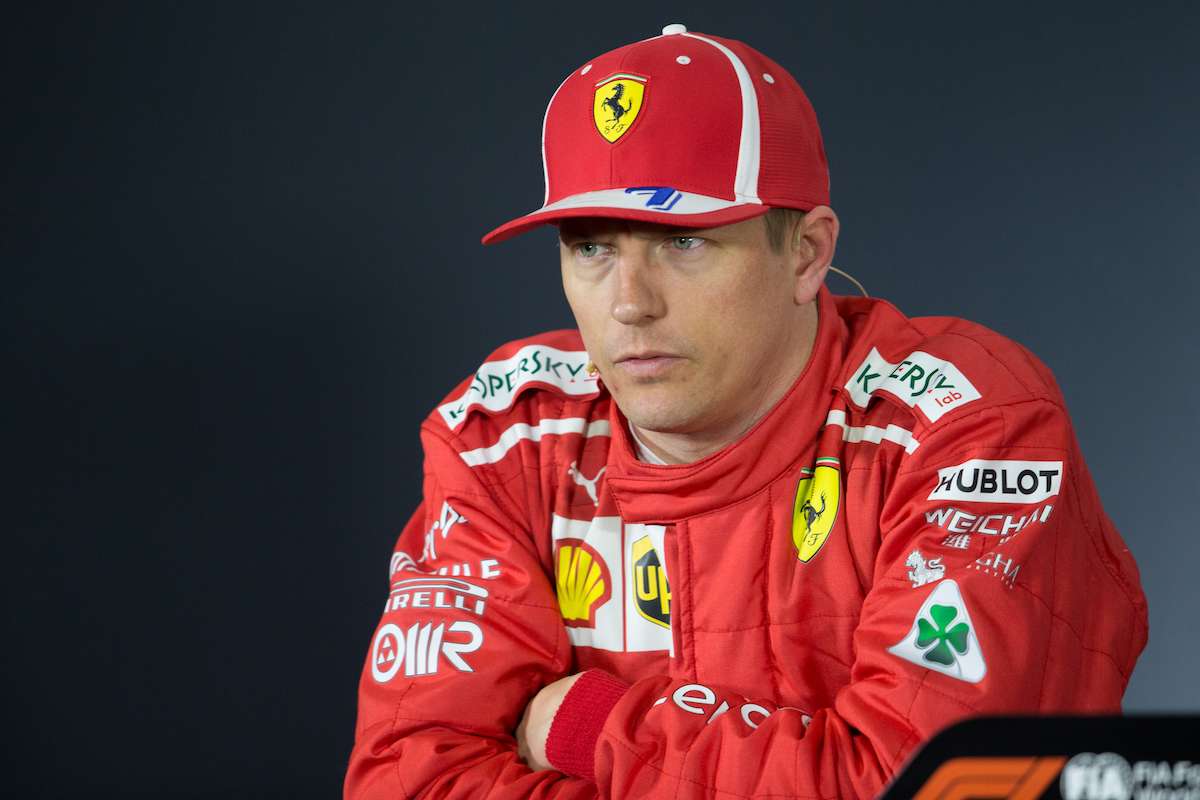
Räikkönen combined a stoic outward demeanour with an appetite to find the edge. Public profiles and race reports show episodes of spectacular high-speed crashes, first-lap incidents and steward-reviewed collisions that together illustrate how his risk profile was read by teams, media and officials.
Where risk lives in Formula 1
In F1, risk concentrates where speed, limited grip and close proximity converge: high-speed straights into heavy-braking zones, narrow kerb-and-wall combinations, first-lap bunching and wheel-to-wheel pockets where cars contest a single racing line. The verified record around Räikkönen highlights that his exposure to these classic risk corridors produced both spectacular survivable crashes and incidents that stopped races or attracted stewards' attention. For example, a high-speed practice crash at Monza in 2007 and a heavy opening-lap crash at Silverstone in 2014 are documented episodes that show the kinds of places where his limit-seeking behaviour met the sport's inherent hazards.
Reading the edge of grip
Judging grip in F1 requires rapid sensory integration: steering feel, tyre feedback, suspension movement and visual references. Journalistic profiles of Räikkönen characterise him as willing to go to the limit, a choice that increases the chance of transient instability — snaps or spins — when the physical threshold is passed. The available reporting does not provide telemetry or quantified thresholds, but the pattern of his incidents suggests a driver who accepted higher exposure in exchange for performance at the edge.
Braking commitment and escape margin
Braking zones are a frequent origin of on-track incidents because they compress speed into a small window for decision-making. When a driver brakes later or harder to gain track position, the escape margin — available runoff, tyre temperature and car stability — shrinks. Räikkönen's documented high-speed crashes indicate moments where braking or late-corner entry left little margin for recovery, emphasising the trade-off between commitment and safety that drivers balance every lap.
Wheel-to-wheel judgement
Close-quarters racing demands elemental choices about line, overlap and trust in the other driver's reactions. Reports of first-lap and wheel-to-wheel incidents involving Räikkönen — including collisions later reviewed by stewards, some of which resulted in no action — illustrate how context and judgement can alter post-incident interpretation. A 2008 Monaco collision reviewed by officials concluded with no further action, demonstrating that aggressive contact is sometimes judged as racing context rather than clear fault.
Wet conditions and changing track state
Variable grip from standing water or a drying line intensifies decision-making: tyre choice, lap timing and how hard to push become dynamic calculations. While direct, technical quotes from Räikkönen about his wet-weather calculus are sparse in the verified material, contemporary profiles and race records show that drivers with a willingness to push the limit are more frequently exposed to swings in stability during these conditions. That increases the likelihood of spectacular incidents when the balance tips suddenly.
Starts, restarts and high-density moments
Opening laps and restarts compress multiple variables — cold tyres, heavy fuel, and tight car spacing — into seconds of intense decision-making. The documented heavy opening-lap crash at the 2014 British Grand Prix that stopped the race is an example of how risk concentrates during these phases. Such moments test a driver's judgement about aggression versus prudence in ways that normal green-flag laps do not.
Bravery versus calculated risk
Contemporary journalism and profiles describe Räikkönen as combining an outwardly unemotional presence with a willingness to "go to the limit" on track. That combination can be mistaken for reckless bravado, but the verified sources also show contexts where stewards judged incidents as part of racing rather than deliberate fault. This mix suggests that his style contained elements of calculated risk: pushing where he believed the reward justified the exposure, while accepting the occasional spectacular failure when the limit yielded an instability the car or conditions could not absorb.
How experience reshapes decision-making
Experience moderates raw aggression by improving pattern recognition: knowing which circuits, corners and race phases tolerate late braking or tight lines. Profiles of Räikkönen reflect a career-long reputation that teammates, teams and commentators used to interpret his appetite for risk. His career incidents — from a high-speed Monza practice crash to pit-lane operational risk at the 2018 Bahrain Grand Prix where a team mechanic was injured during a release involving his car — underline that risk in F1 is not only about driver inputs but also about team procedures and how responsibility is apportioned in fast, complex environments.
Conclusion: a distinctive risk profile
Kimi Räikkönen's on-track profile, as supported by contemporary reporting and race records, combines a public stoicism with a driving style that accepted proximity to the limit. Documented high-speed crashes, first-lap incidents and steward-reviewed collisions show the sporting consequences of that approach. They also demonstrate an important lesson about risk in Formula 1: outcomes depend on a network of factors — driver judgement, circuit geometry, tyre and weather state, and team operations — and a driver's appetite for risk will always be judged both on the moments they extract performance and the incidents that expose the thin line between mastery and failure.
Author: Alex R.