Charles Leclerc: Tracing the Trajectory from Junior Ranks to Ferrari
Charles Leclerc, born 16 October 1997 in Monte Carlo, Monaco, progressed through the established ladder of junior categories to become a race driver for Scuderia Ferrari. His rise is defined by rapid success in GP3 and FIA Formula 2, an immediate step into Formula 1 with Sauber in 2018, and a move to Ferrari as a race driver from 2019 onward.
Summary
Leclerc’s career is notable for a clear, conventional progression: standout results in GP3 (2016) and an FIA Formula 2 title (2017) that led to an F1 race seat in 2018 and an immediate jump to Ferrari in 2019. He is also a graduate of the Ferrari Driver Academy and has continued as a Ferrari driver beyond 2024.
Childhood, family, and first competition
Charles Marc Hervé Perceval Leclerc was born on 16 October 1997 in Monte Carlo, Monaco. That biographical fact anchors the story: a driver whose origins are rooted in a principality long associated with motorsport. Publicly verified records confirm his date and place of birth as basic context for the career that follows.
Karting and the first serious signals
While detailed, primary-source records of every early karting result are not included in the verified material used here, Leclerc’s pathway into single-seater racing follows the familiar pattern for drivers who reach Formula 1. The record in the verified sources emphasizes his emergence into international junior single-seater categories, where the first authoritative signals of his talent are documented.
The junior formula climb
Leclerc’s climb through the junior formulas is defined by two decisive championship seasons that established him as a top prospect. In 2016 he won the GP3 Series title driving for ART Grand Prix. The GP3 championship was a clear marker of readiness for the next step and is recorded in contemporary reporting and season summaries.
He followed that success with a title in the inaugural FIA Formula 2 Championship in 2017, driving for Prema Racing. That F2 championship is an explicitly documented milestone: an international, FIA-run category intended to prepare and judge drivers at the threshold of Formula 1. Winning the F2 title provided the sporting validation that precedes most modern F1 race seats.
Arrival in Formula 1
Leclerc’s entry to the Formula 1 grid came when Sauber confirmed him as a race driver for the 2018 World Championship. That season was his first full-time role in F1, an important transitional moment from junior formula champion to active Formula 1 competitor. The confirmation by Sauber (operating with Alfa Romeo branding at the time) is recorded in official announcements.
Move to Ferrari and academy links
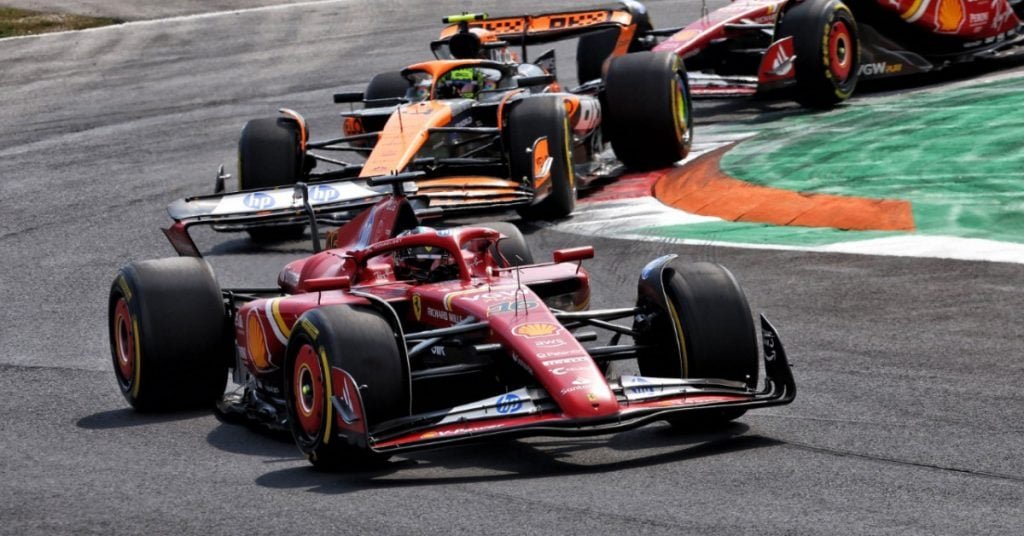
Following his rookie year, Leclerc joined Scuderia Ferrari as a race driver for the 2019 season. His relationship with Ferrari predates that step: Leclerc is a graduate and member of the Ferrari Driver Academy, a support and development structure that has clear relevance to his career path. Ferrari has officially documented both his Academy membership and his later contract extensions.
Breakthrough seasons and defining campaigns
The verified record highlights Leclerc’s 2016 GP3 title and the 2017 FIA Formula 2 Championship as the two breakthrough campaigns that most directly shaped his arrival and rapid progression into Formula 1. Those back-to-back junior titles are the concrete turning points cited across authoritative sources and represent the sporting basis for an accelerated path into F1 and a seat at Ferrari.
Teammates, rivals and paddock relationships
The verified sources used here document Leclerc’s formal team relationships—most notably his years at Sauber and his subsequent role at Scuderia Ferrari—and note his status as the first Ferrari Driver Academy graduate to race for the Scuderia, as referenced in Ferrari corporate material. Those institutional links—team signings and Academy membership—explain much of the structural support around his career.
What the career looks like today
Official Ferrari announcements confirm that Leclerc remained a Scuderia Ferrari driver beyond the 2024 season following a contract extension. That extension, together with his Academy background and the trajectory through GP3 and F2, frames him today as a driver whose position is consolidated within one of Formula 1’s most prominent teams.
Closing interpretation
Charles Leclerc’s career arc, as evidenced by the verified milestones, is a textbook modern progression: rapid success in GP3 and FIA Formula 2 provided the sporting credentials that led to an F1 debut with Sauber in 2018 and, a year later, a race seat at Ferrari. The Ferrari Driver Academy link and his promotion into the Scuderia underline how talent identification and institutional pathways operate together in contemporary driver development. Those documented turning points—the 2016 GP3 title, the 2017 F2 championship, the Sauber debut and the move to Ferrari—are the factual spine of a career that moved quickly from junior promise to established Formula 1 status.
Author: William L.