Top 10 Hardest F1 Circuits for Drivers
This list ranks the top 10 hardest F1 circuits for drivers. Rather than a single metric, the order weighs technical layout, physical and mental strain, wall proximity, braking loads, changing weather and the way mistakes are harshly punished. The result is an editorial, debate‑friendly guide for fans who want to argue over which tracks truly test a driver's skill.
How this ranking was built
This order is an editorial synthesis based on reputable motorsport coverage and analysis. It weighs widely reported facts: narrow street layouts and unforgiving walls, night races in heat and humidity, long high‑speed sequences, figure‑of‑eight complexity, variable weather and repeated high‑G braking zones. Where outlets repeatedly identify a circuit's difficulty in official F1 and specialist reporting, that was given weight. This is not a single numeric dataset but a reasoned, debatable ordering.
What this ranking highlights
- Which circuits are repeatedly described by major outlets as most demanding.
- How different kinds of difficulty (physical, technical, weather) shape driver survival.
- Why modern street layouts and classic high‑speed tracks both make the shortlist.
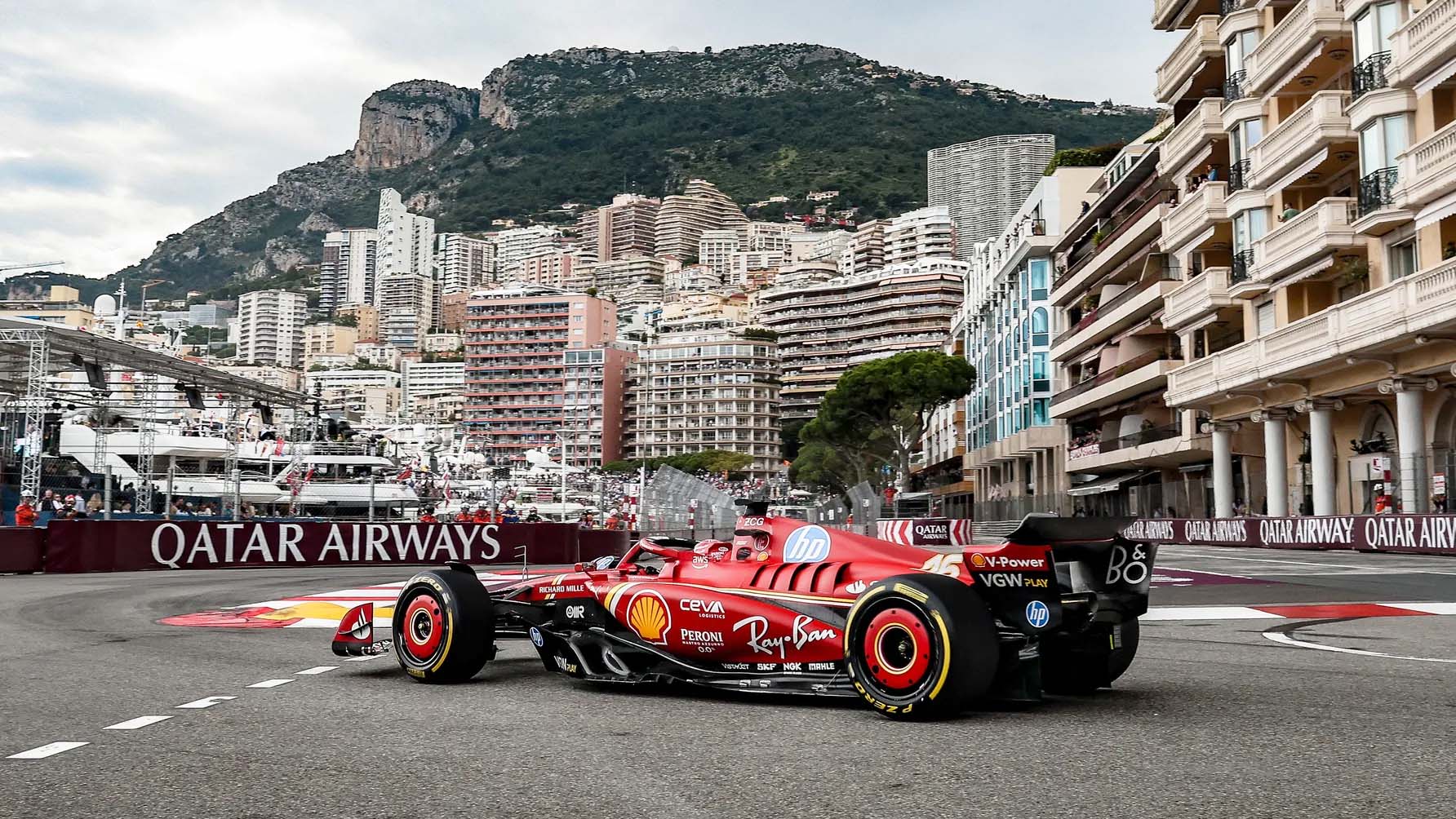
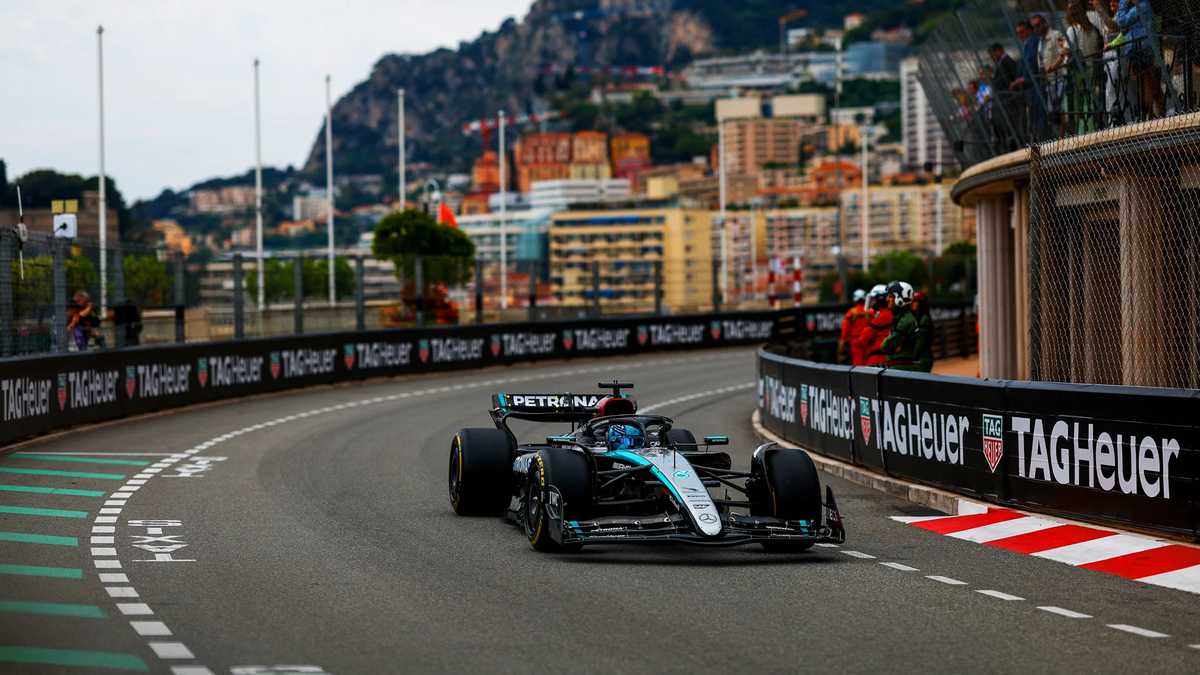
10. Monaco
🏁 Rank: #10 · ⭐ Why it matters: Narrow, unforgiving street layout · 🔧 Technical clue: Low margin for error
Monaco is frequently described by Formula 1 and motorsport outlets as one of the most technically demanding and unforgiving tracks because its narrow streets and proximity to walls leave tiny margins for error. Qualifying precision and concentrated racecraft are essential, making it a perennial inclusion on 'hardest track' lists.
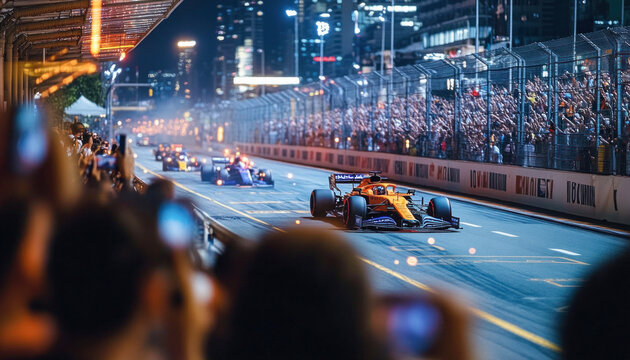
9. Singapore (Marina Bay Street Circuit)
🏁 Rank: #9 · 🌡️ Key stat: Night race in heat and humidity · ⭐ Why it matters: Extreme physical fatigue
Singapore is widely cited as one of the physically toughest races: a slow, twisty street circuit run at night in high heat and humidity that increases driver fatigue. Its stop‑start nature and concentration demands put a premium on fitness and focus.
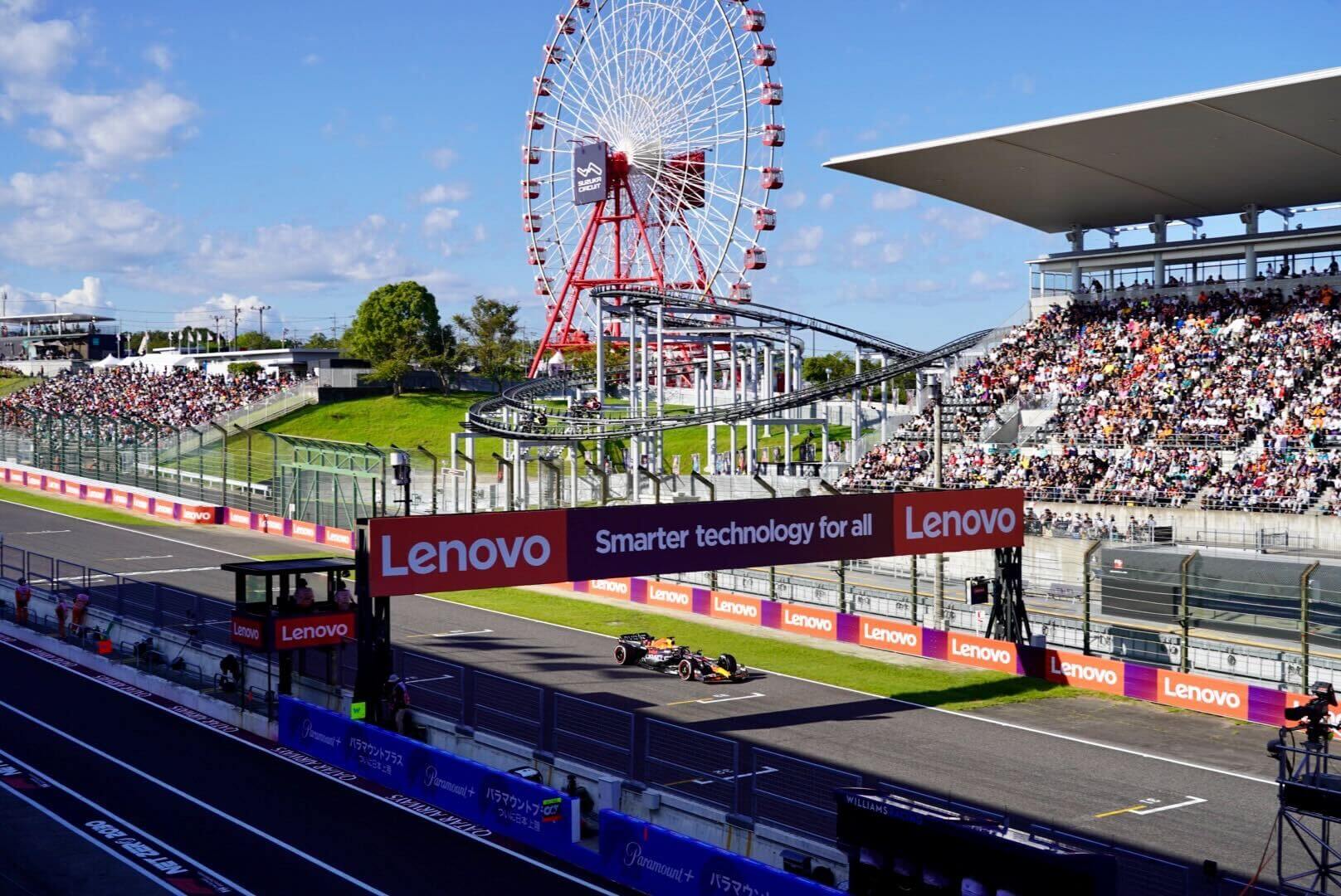
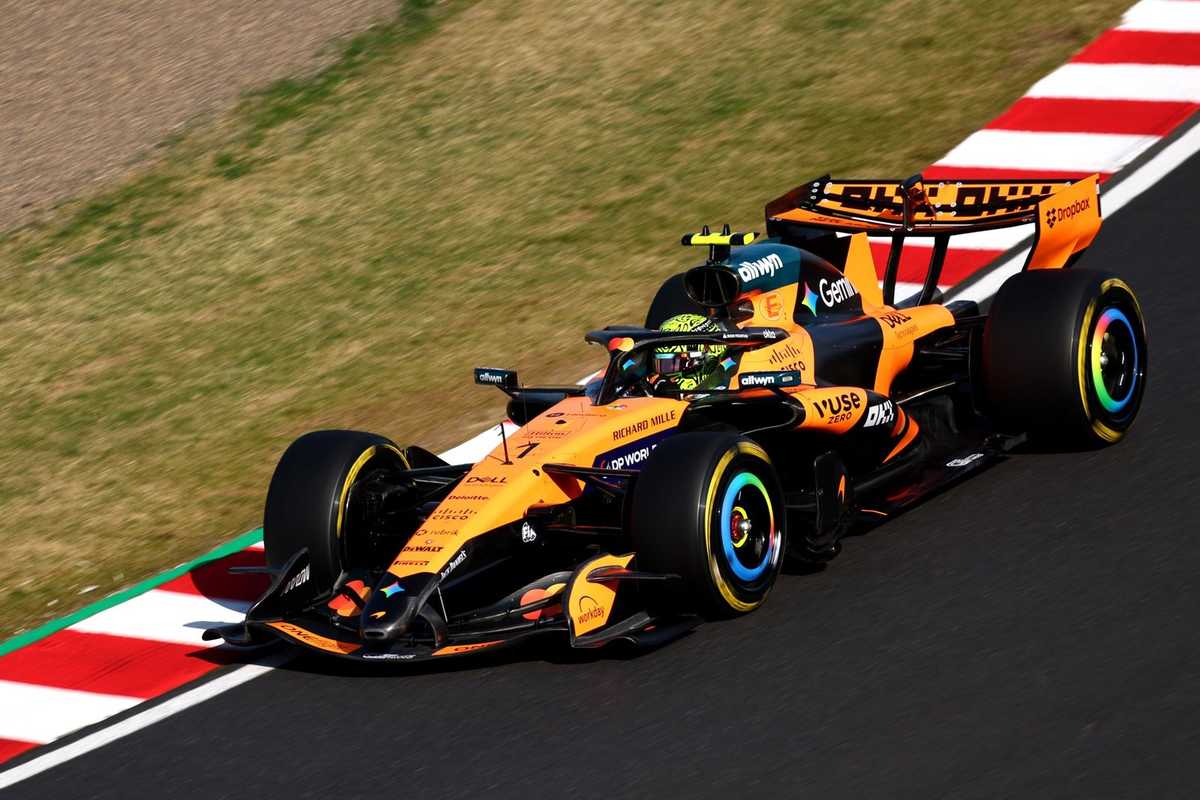
8. Suzuka
🏁 Rank: #8 · 🔧 Technical clue: Figure‑of‑eight layout · ⭐ Why it matters: High‑speed complexity
Suzuka is commonly listed among the hardest because of its high‑speed, complex figure‑of‑eight layout. The flowing corners and rapid directional changes punish mistakes severely, demanding precision at speed and exceptional rhythm from drivers.
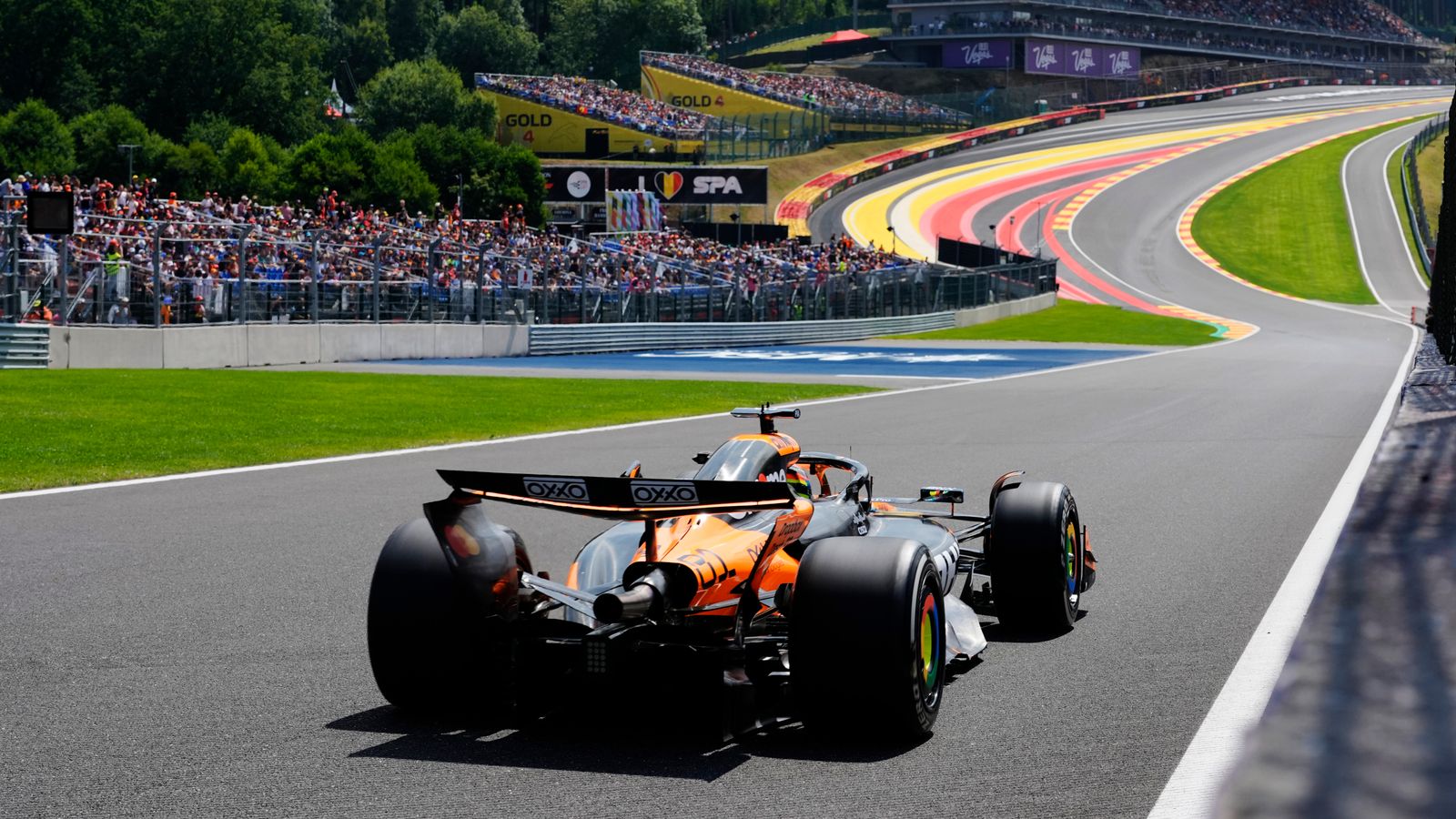
7. Spa‑Francorchamps
🏁 Rank: #7 · 🔧 Technical clue: Long, high‑speed layout · 🌧️ Why it matters: Variable weather and dramatic elevation
Spa is regularly described as one of the most challenging circuits because of its length, high speeds and rapidly changing weather. Iconic sections like Eau Rouge/Raidillon and significant elevation changes test bravery, setup and sensory feedback in ways few other circuits do.
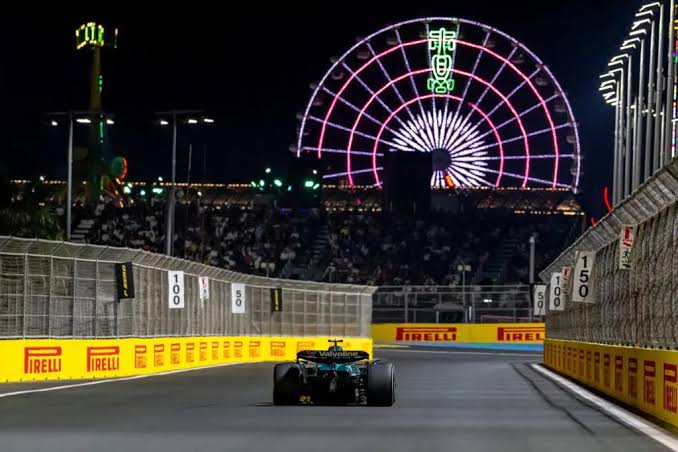
6. Jeddah
🏁 Rank: #6 · 🔧 Technical clue: Long high‑speed street layout · ⭐ Why it matters: Limited run‑off, high concentration
Recent editorial analyses and team comments highlight Jeddah's challenge: it offers long high‑speed sections on a street circuit with limited run‑off. That combination forces intense physical and mental focus and tight setup compromises.
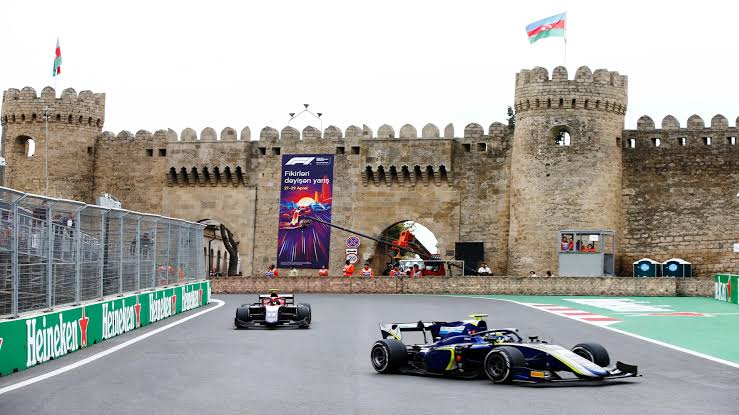
5. Baku
🏁 Rank: #5 · 🔧 Technical clue: Mix of long straights and tight sections · ⭐ Why it matters: Harsh on mistakes and brakes
Baku appears on modern lists because its long high‑speed strips combined with tight, wall‑lined sections make it unforgiving. Drivers must balance straight‑line speed and hammer‑tight precision through narrow castle sectors.
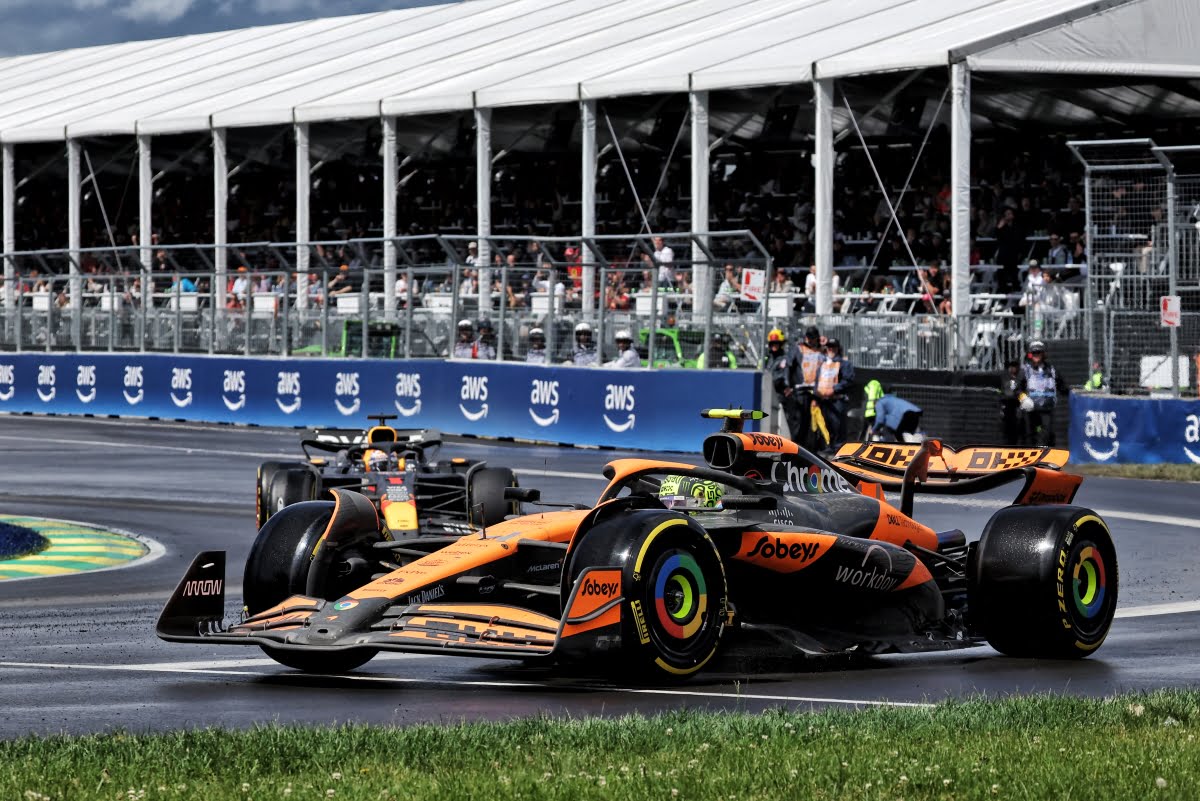
4. Circuit Gilles‑Villeneuve
🏁 Rank: #4 · 🔧 Technical clue: Repeated heavy braking zones · ⭐ Why it matters: High physical and incident load
Editorial and data‑driven lists note Circuit Gilles‑Villeneuve for its repeated heavy braking events and frequent safety car interruptions. The stop‑start rhythm and hard braking stresses challenge both car balance and driver stamina.
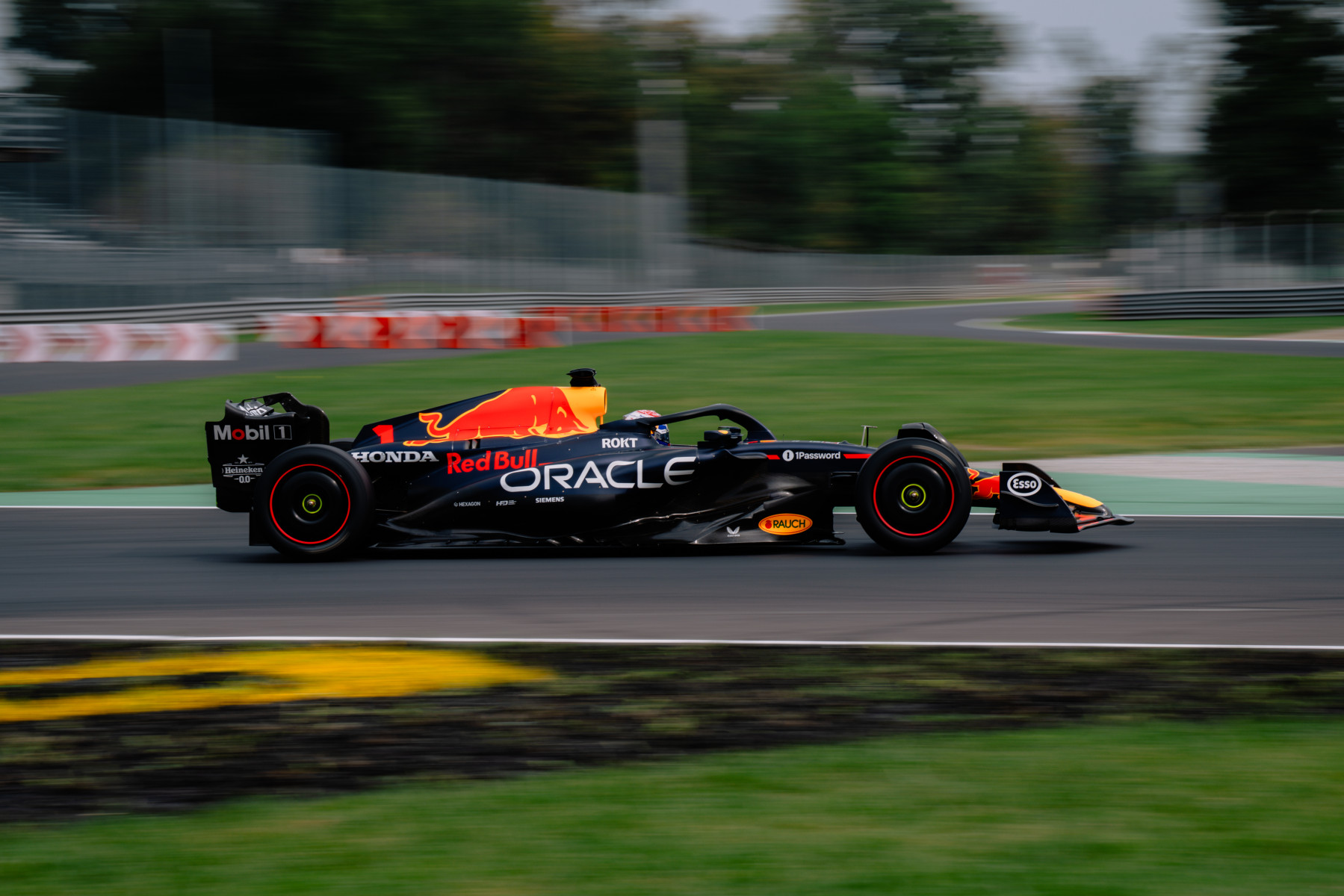
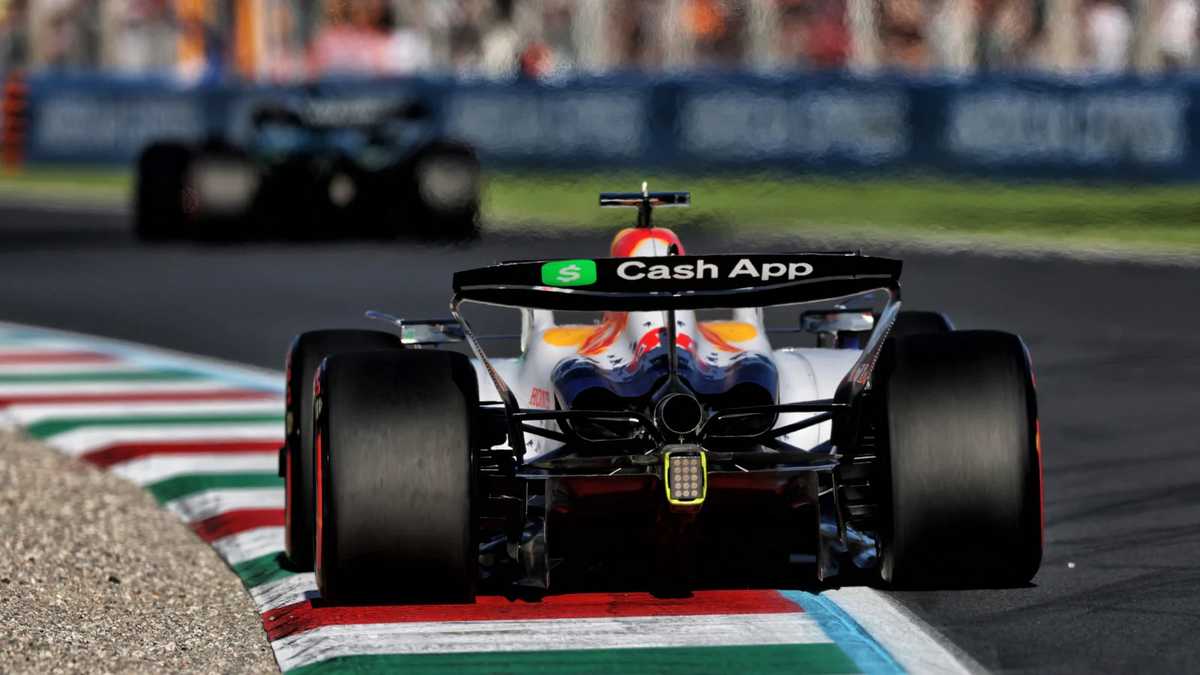
3. Monza
🏁 Rank: #3 · 🔧 Technical clue: High speeds and heavy braking chicanes · ⭐ Why it matters: Demands bravery and braking precision
Monza keeps appearing in tougher‑track discussions because its extreme high speeds and heavy braking into chicanes demand bravery and surgical braking control. The margin for error at speed makes it a different but still severe kind of challenge.

2. Silverstone
🏁 Rank: #2 · 🔧 Technical clue: Fast flowing rhythm · ⭐ Why it matters: Sustained high energy demands
Silverstone is often singled out for its high‑speed flowing corners that require sustained concentration and place continuous load on car and driver. While safer than old‑school layouts, its physical and technical rhythm makes it one of the toughest pure driving tests.
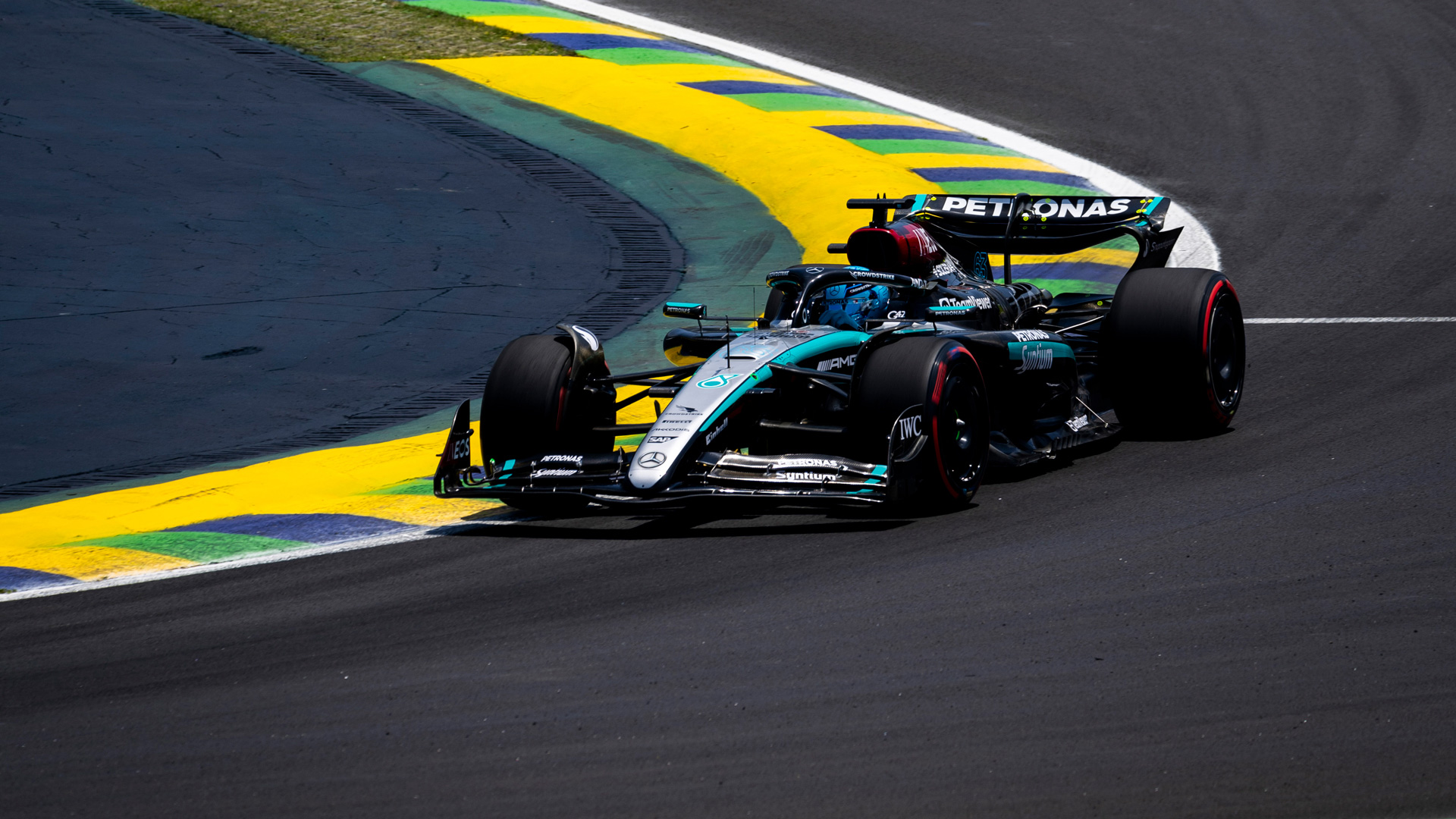
1. Interlagos
🏁 Rank: #1 · 🔧 Technical clue: Elevation changes, cambers and mixed-speed corners · ⭐ Why it matters: Demands rhythm, confidence and adaptability
Interlagos tops this editorial list because it combines several forms of difficulty in one compact lap: steep elevation changes, cambered corners, heavy braking zones, traction-sensitive exits and a rhythm that is easy to lose. The circuit also has a long history of unpredictable weather and dramatic race conditions, forcing drivers to adapt quickly while managing tire grip, traffic and momentum through one of Formula 1's most demanding old-school layouts.

What this ranking tells us
Different circuits challenge drivers in different ways: some demand extreme fitness and heat tolerance, others ask for sustained precision at high speed, while street tracks punish the smallest error. This list groups those pressures into a debated order based on consistent editorial coverage and technical reasoning. If you would move a circuit up or down, that is exactly the kind of debate this ranking is designed to start.
Author: Cynthia D.