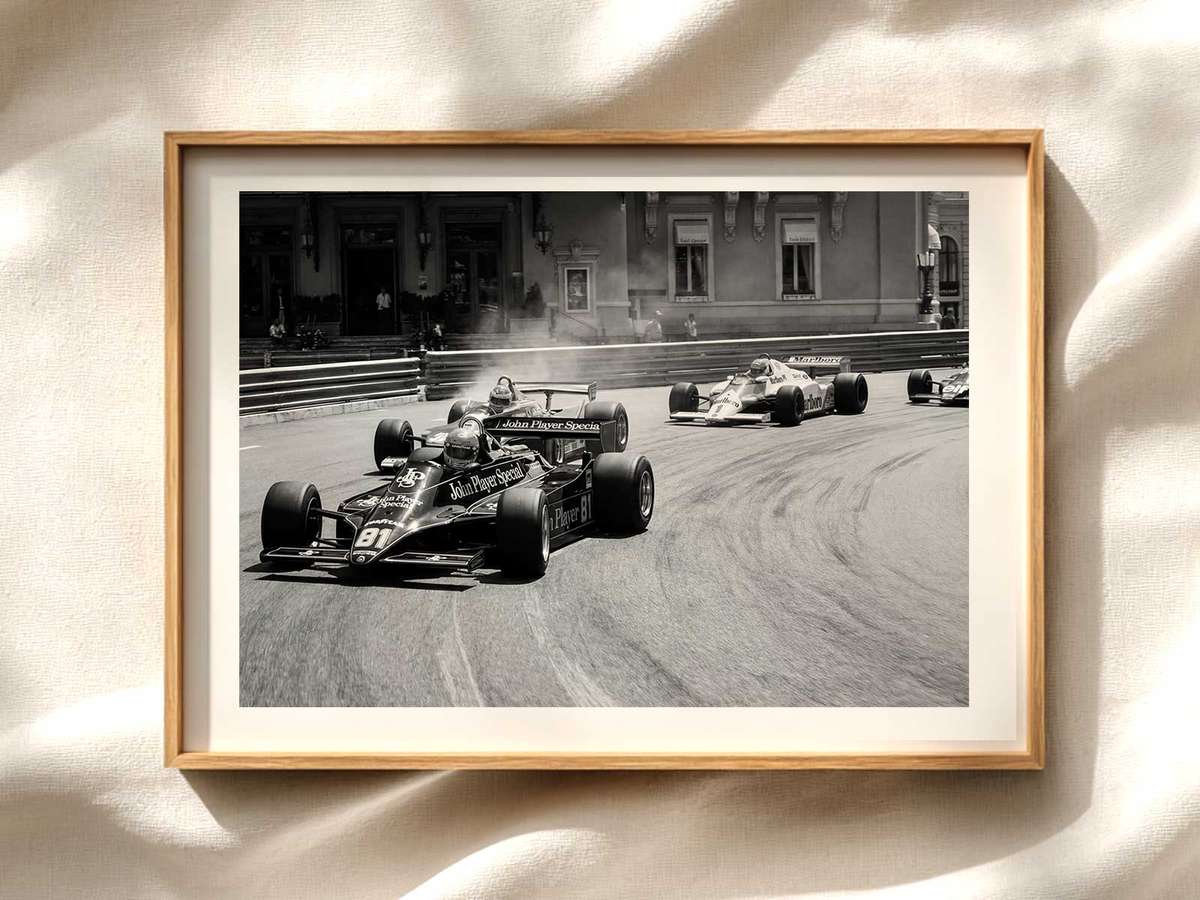
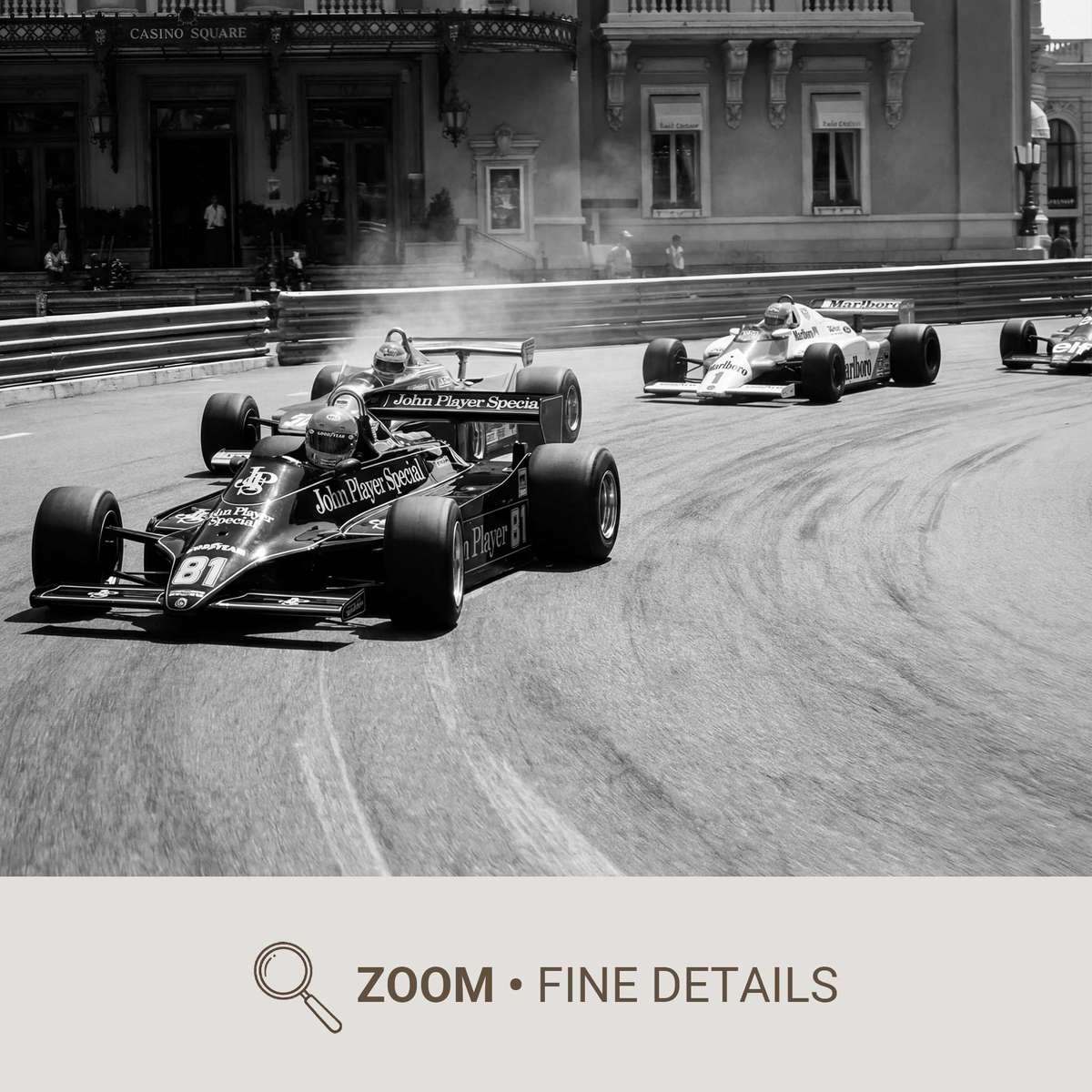
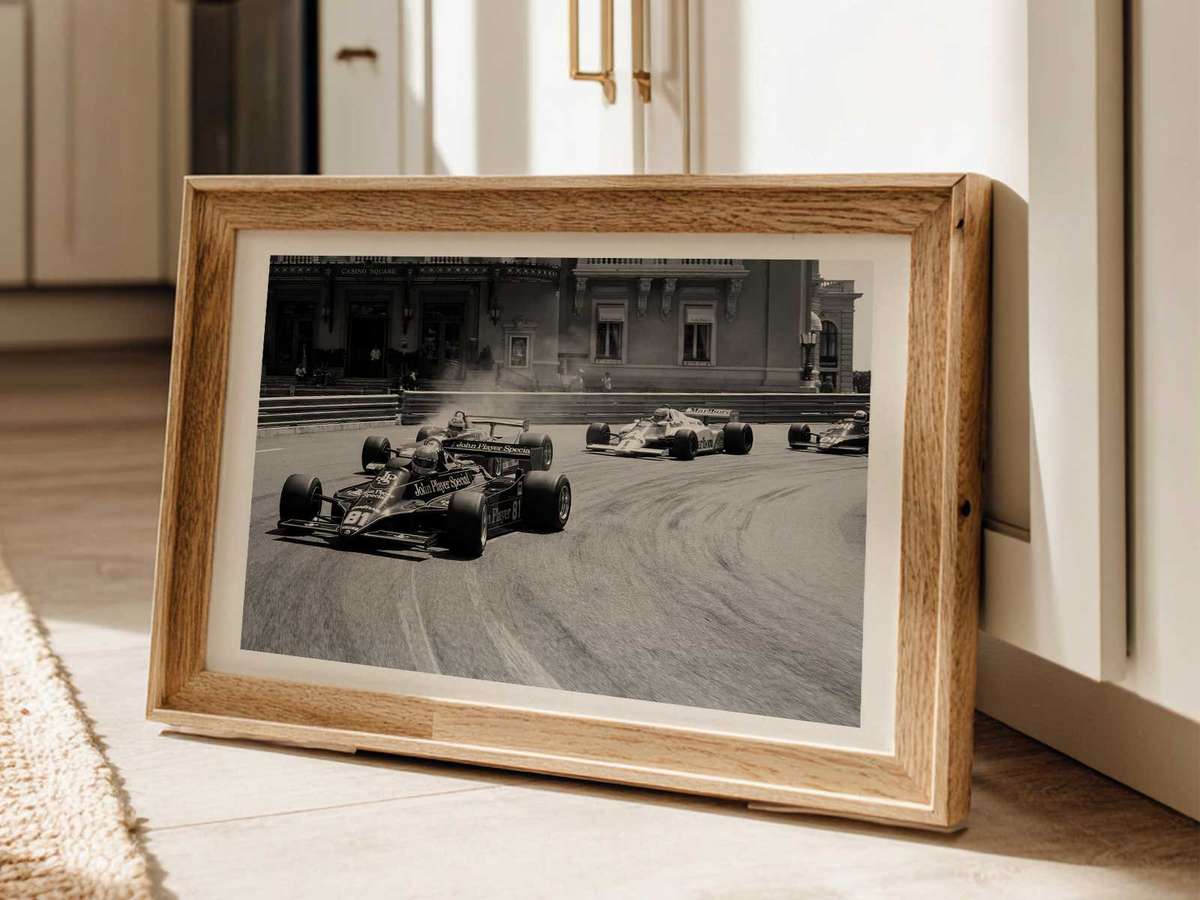
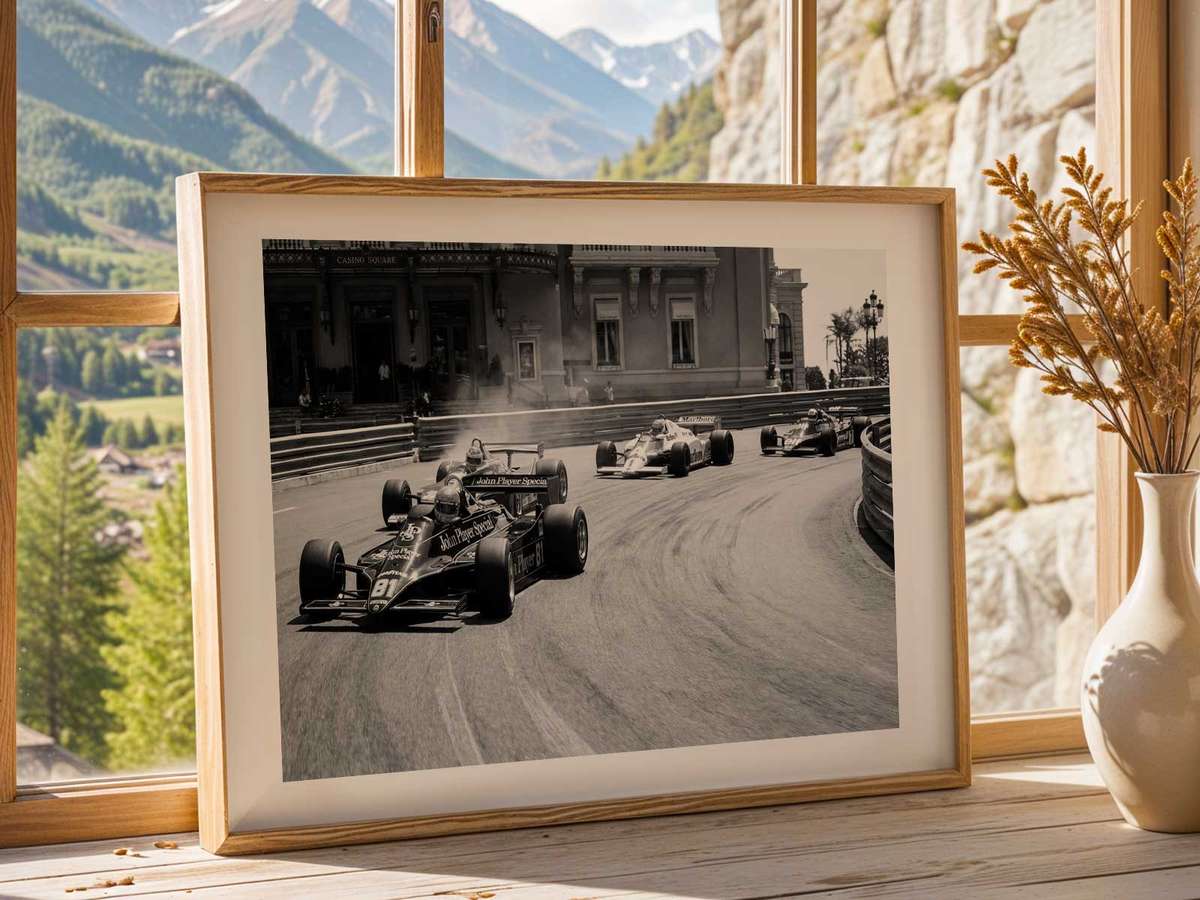
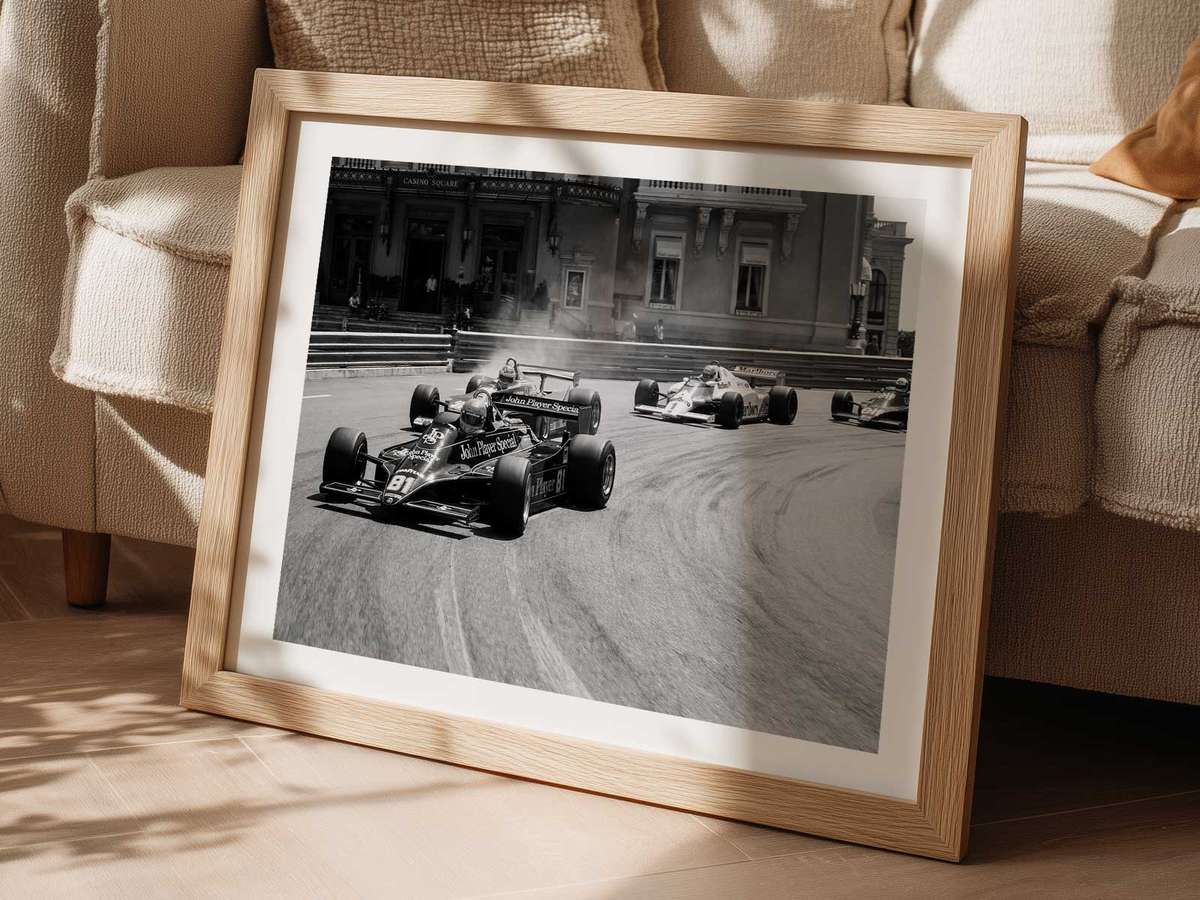
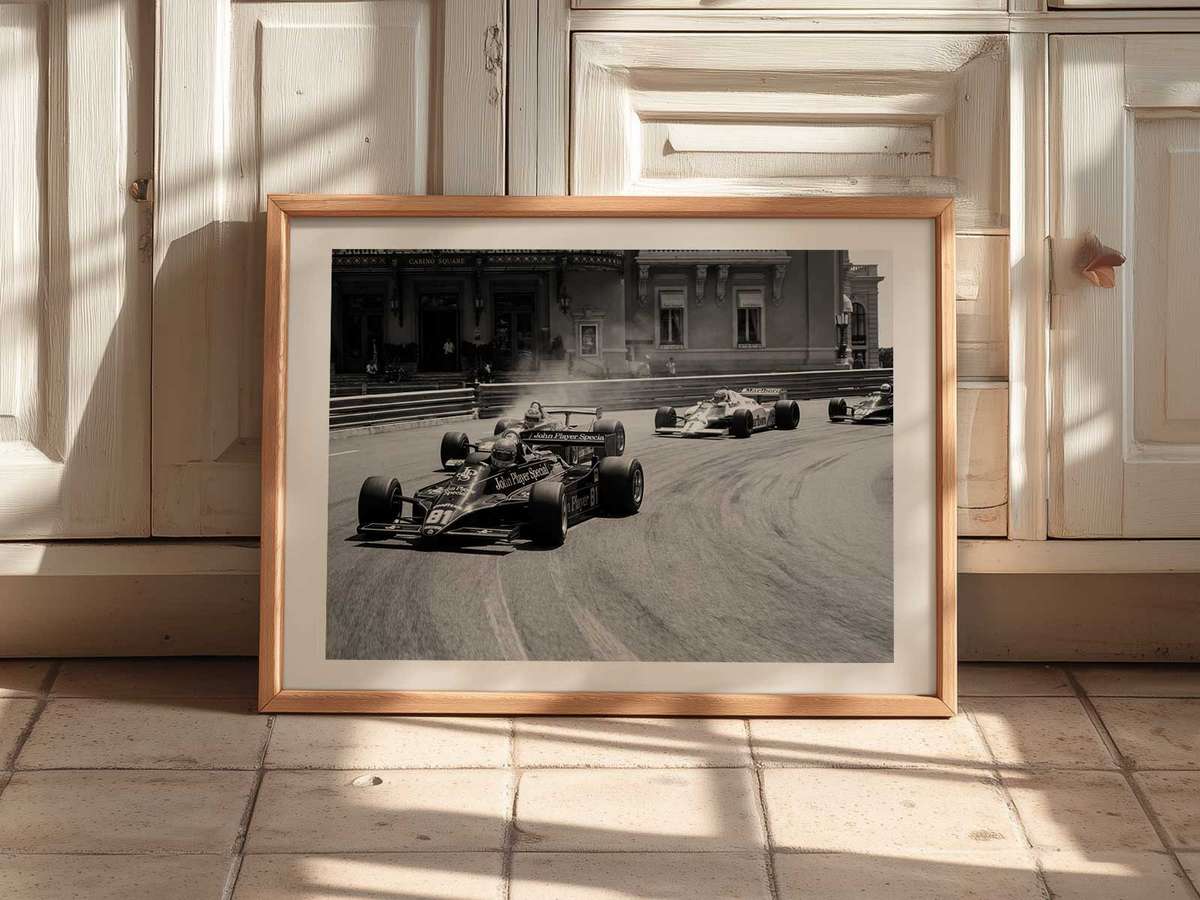
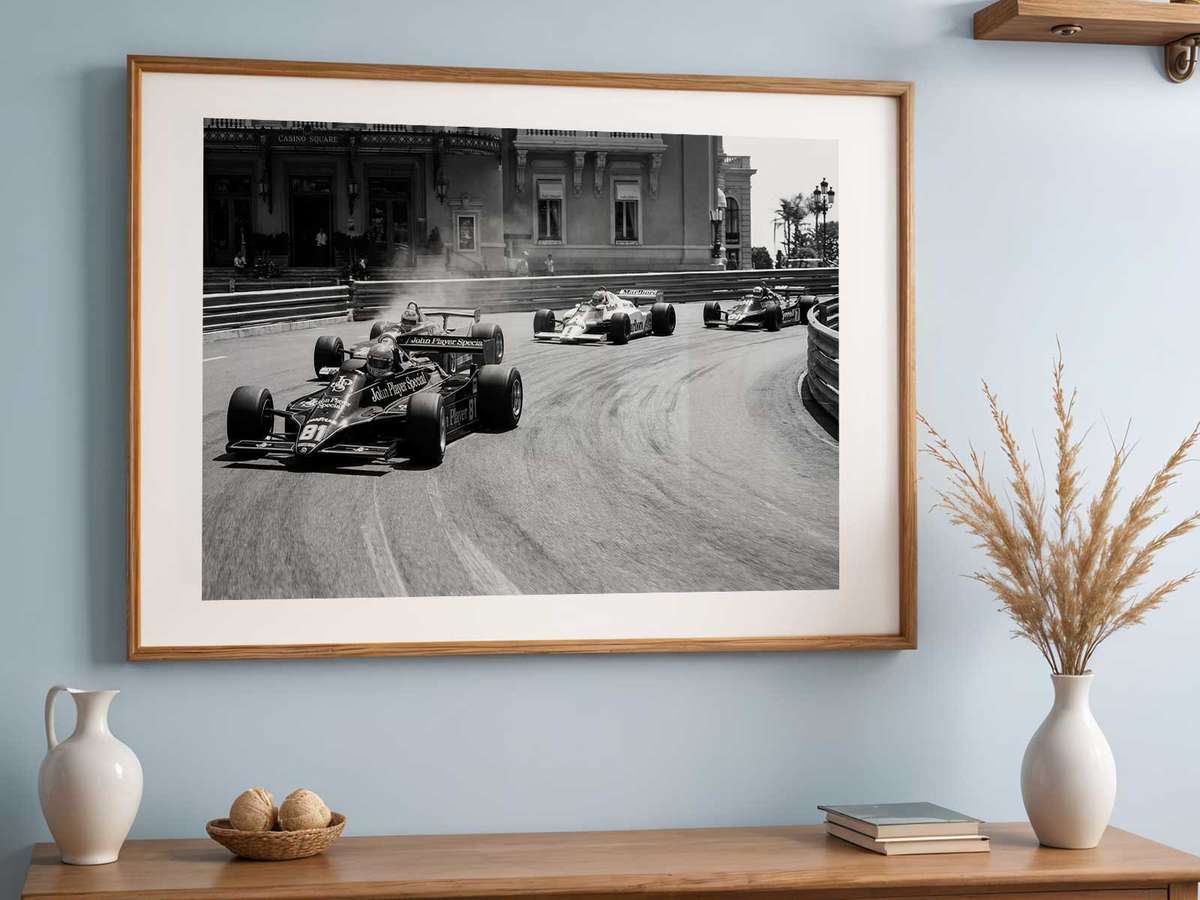
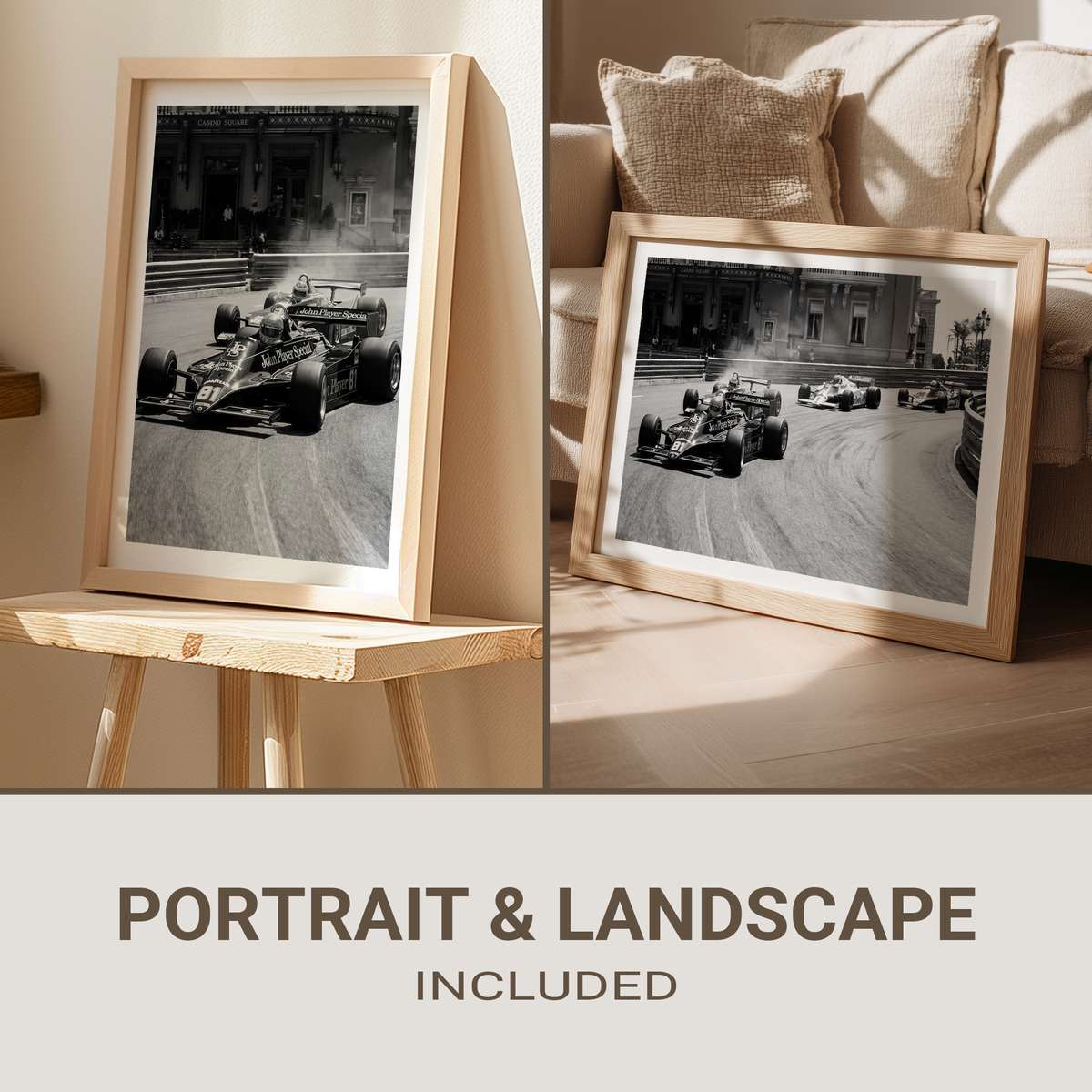
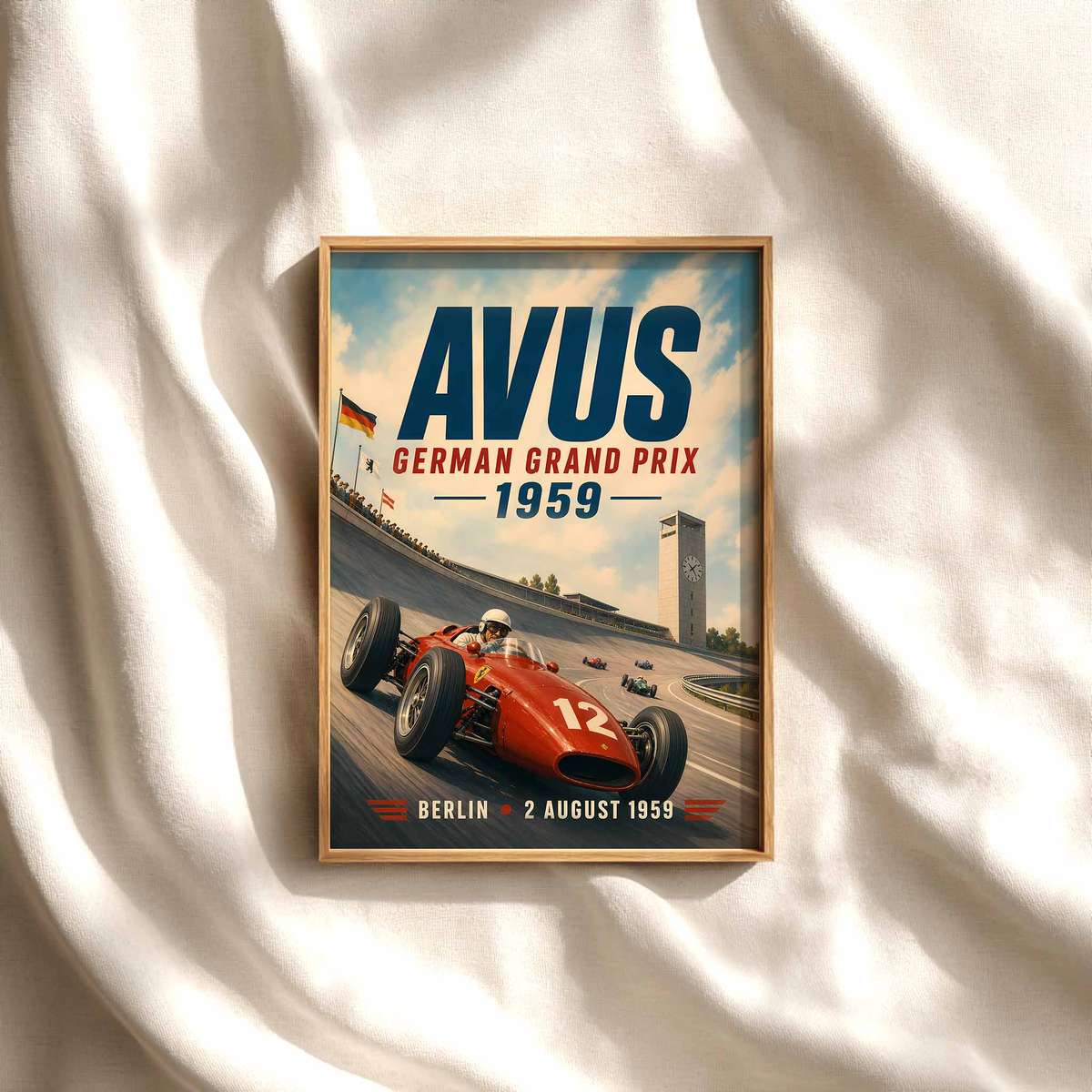
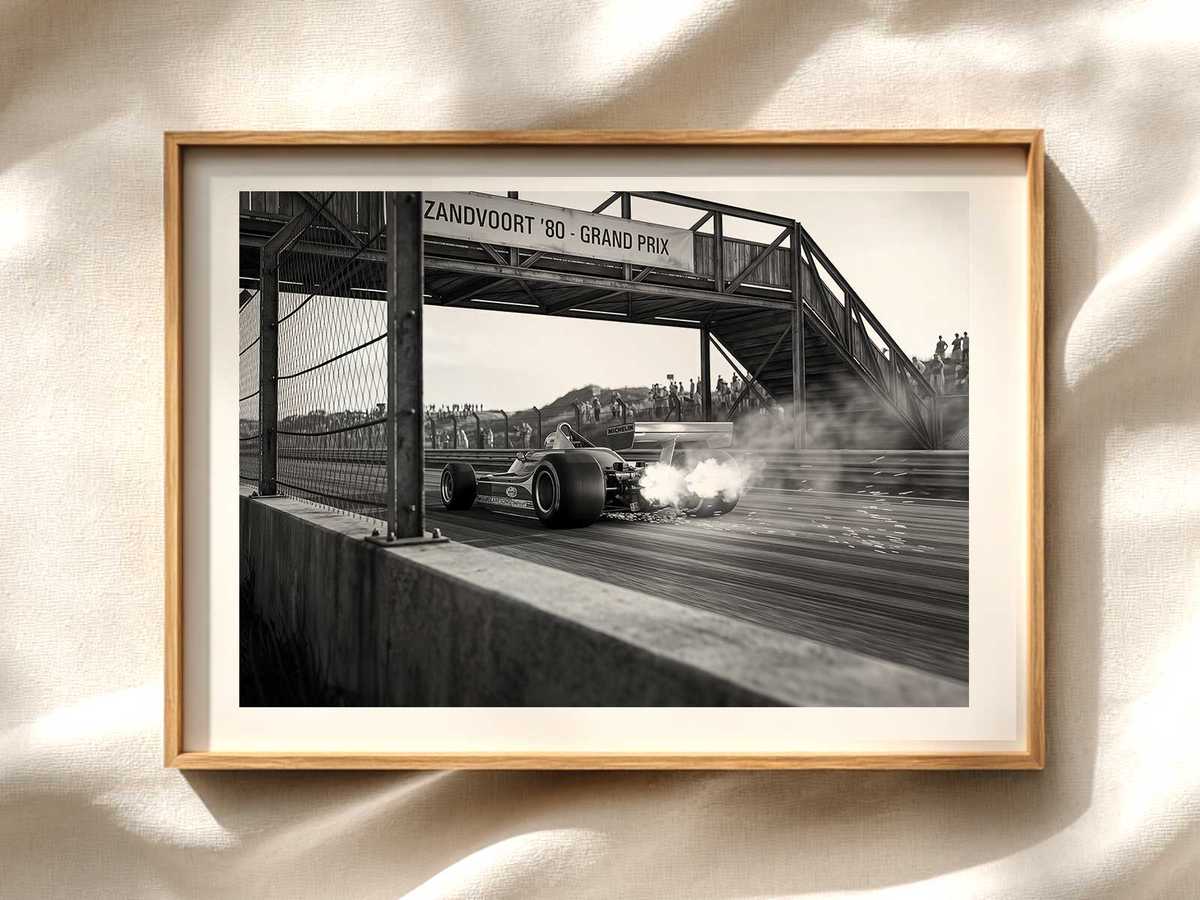
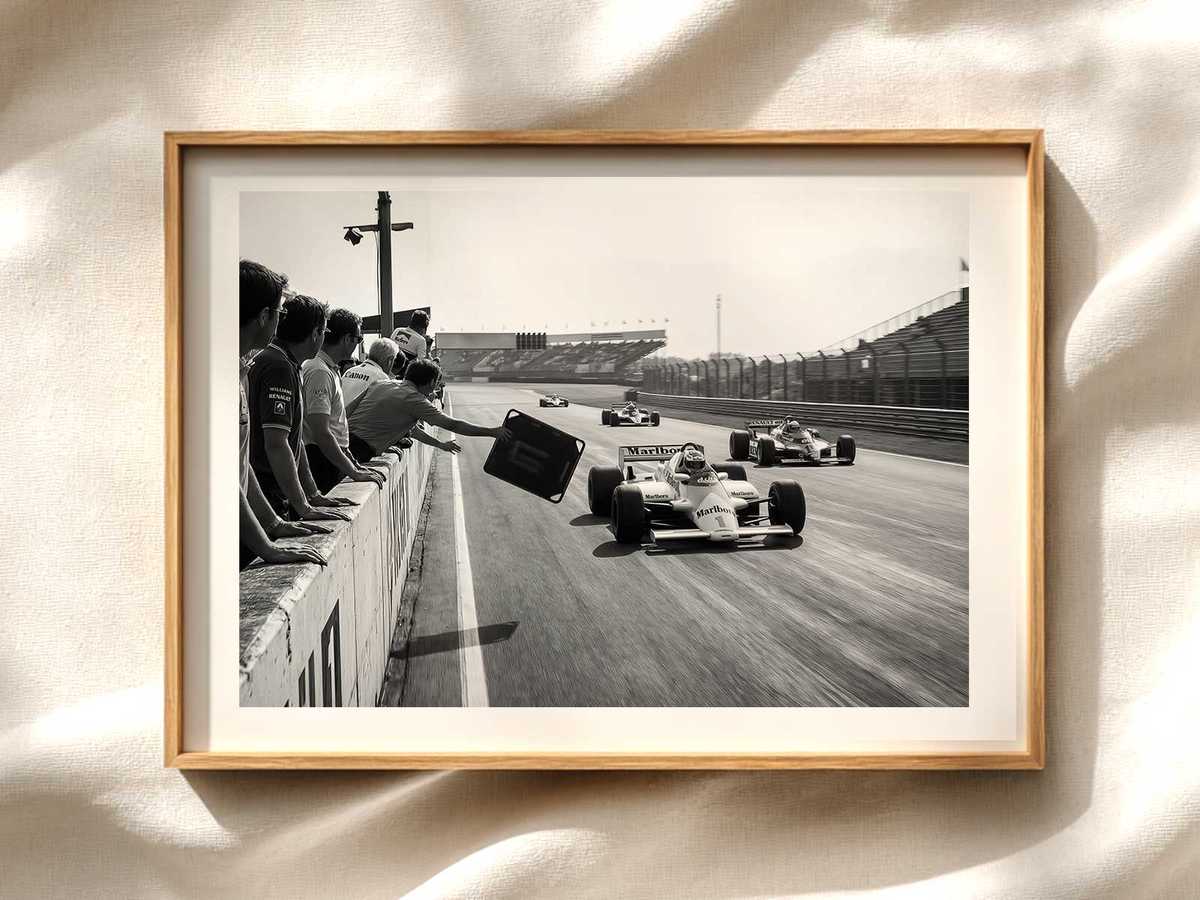
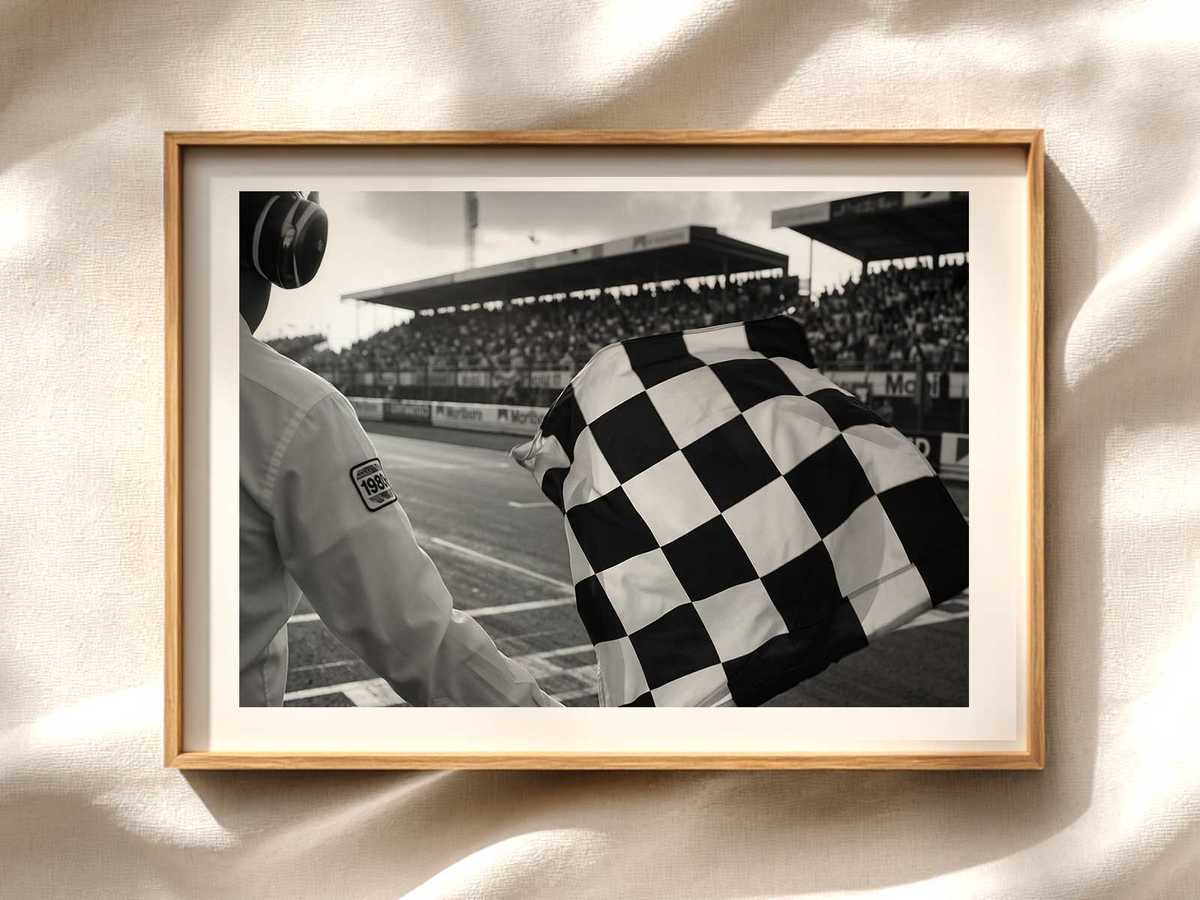
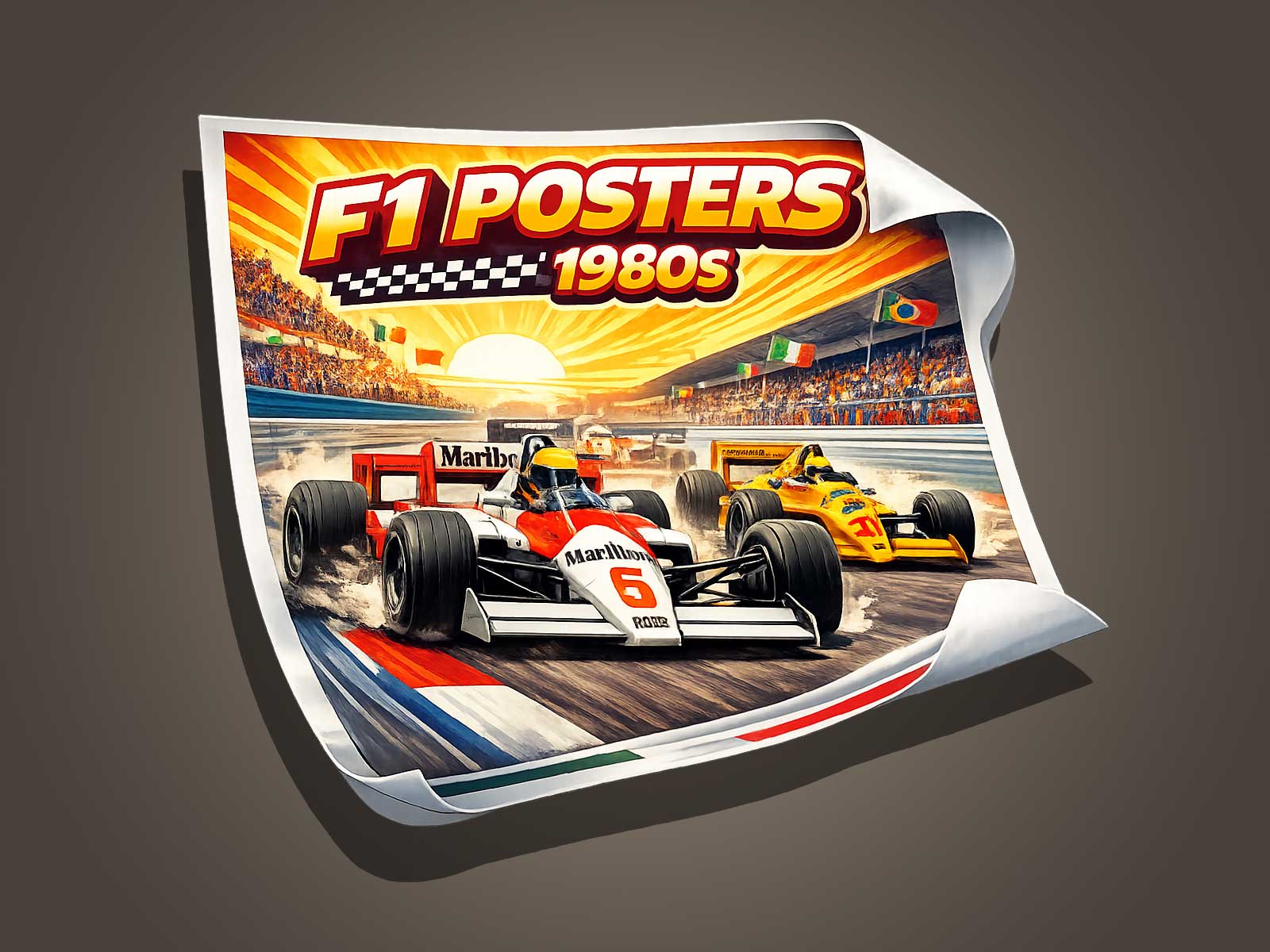
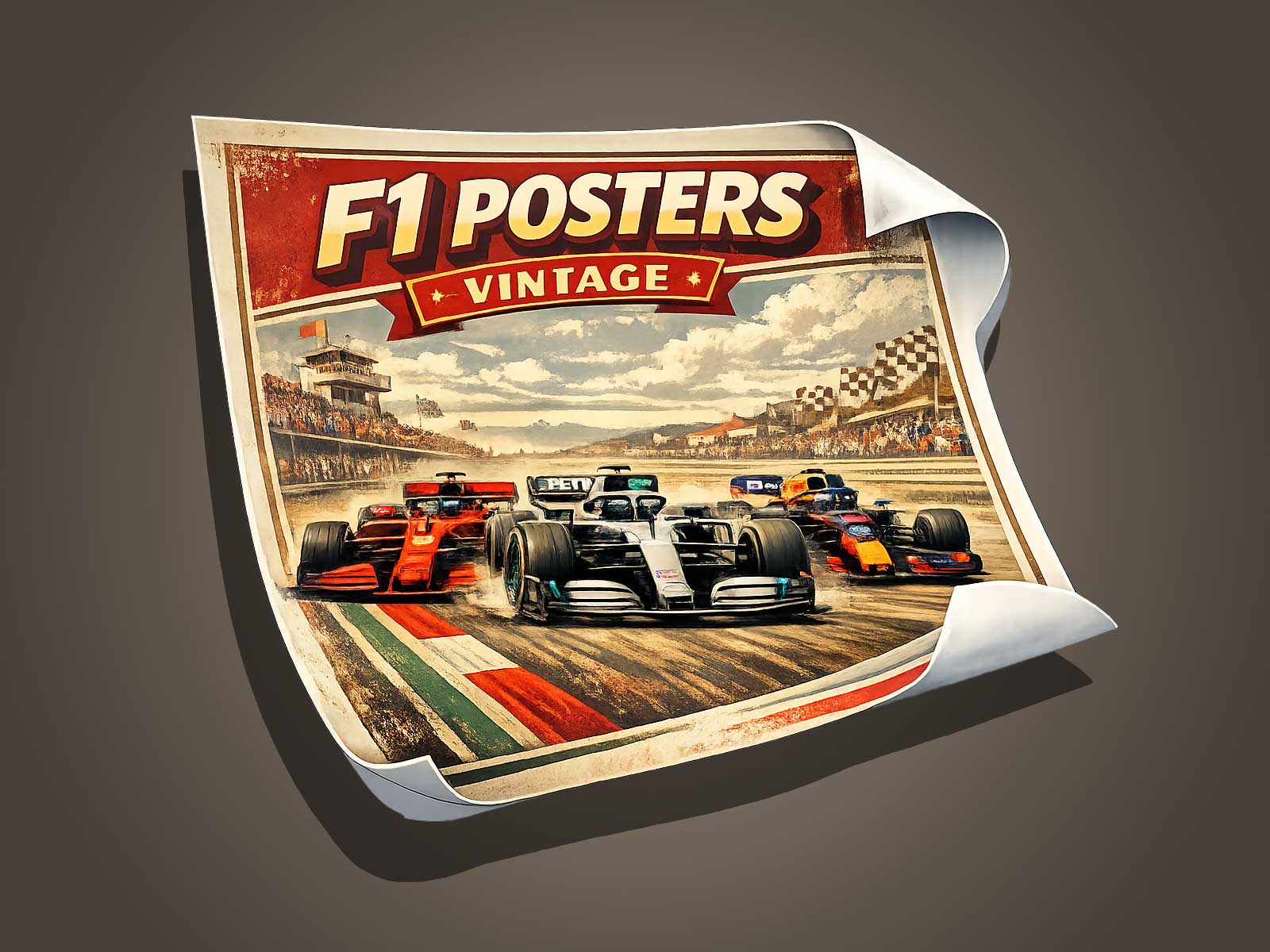
The Hungaroring has been a staple of the Formula 1 calendar since its construction in 1985–1986 and its first World Championship race on 10 August 1986. When designers reinterpret the circuit through a 1980s-inspired vintage F1 aesthetic, the result is more than nostalgia: bold geometry, halftone grain, faded palettes and deliberate print imperfections work together to transform contemporary images into artifacts of visual memory and heritage. This article explains how those design techniques amplify the Hungaroring’s historical identity and why such posters are read as collectible heritage objects.
Why the Hungaroring is a natural subject for heritage-style posters
The Hungaroring’s history — built quickly in 1985–1986 and hosting its first Formula 1 race on 10 August 1986 — gives the circuit a clear historical anchor. Since then it has been a regular part of the F1 calendar and is described by authoritative motorsport sources as an iconic circuit with a distinct historical identity. That documented continuity makes the track an especially suitable subject for posters that aim to read contemporary imagery as part of a longer historical narrative.
Key visual ingredients of the 1980s-inspired F1 aesthetic
Contemporary design commentary identifies a set of recognizable 1980s graphic traits that poster makers reuse to evoke era-specific memory: bold geometric shapes, bright or neon palettes, halftone and film-grain textures, airbrush effects, experimental typography and intentional printing artifacts. These elements are deliberately applied to create a sense of patina — the appearance of age and use — which reframes a race circuit or a Grand Prix moment as a preserved piece of sporting heritage.
How patina and print artifacts create visual memory
Deliberate aging effects — faded colors, grain, halftone screens and distressed-paper finishes — act as visual cues that signal historical distance. Design writing on the ’80s revival links these cues to cultural memory: printing imperfections and period-specific photographic treatments prompt viewers to read an image not only as depiction but as object, something that has lived through time. For Hungaroring imagery, these cues reinforce the track’s identity as an enduring venue on the F1 calendar and invite collectors to treat posters as heritage objects rather than mere decoration.
How specialist F1 poster producers frame heritage
Specialist contemporary producers of F1 posters explicitly use 1980s vintage techniques to deepen heritage value. By applying limited palettes, film grain, halftone and distressed textures and by framing circuits or historic moments within retro graphic systems, these producers position posters as collectible artifacts that carry visual memory. This editorial and product strategy is visible across dedicated vintage F1 wall-art hubs that present the technique as a deliberate means to create collectible, historically resonant prints.
Design choices that emphasize Hungaroring’s character
Designers seeking to highlight the Hungaroring’s historical presence often emphasize compositional choices that echo the circuit’s identity: compact layouts to reflect the track’s technical nature, layered graphic planes to suggest depth and movement, and period typography to anchor the image in a recognizable era. When combined with 1980s-style textures and color treatments, these choices transform a contemporary representation into an object that feels imprinted with the track’s past.
Collectibility and heritage value in practice
Posters that combine the Hungaroring’s documented history with 1980s visual language encourage collectors to treat them as heritage pieces. The interplay of an authentic historical anchor (the circuit’s construction and first race in 1986) with intentional design patina makes the poster function as both commemorative image and tactile object. For collectors and fans, that framing increases perceived cultural value and supports the poster’s role as a piece of motorsport heritage.
Conclusion
Rereading the Hungaroring through a 1980s-inspired vintage F1 aesthetic deepens the circuit’s visual heritage by combining a verifiable historical identity with graphic techniques that cue memory and age. Bold 1980s tropes — halftone grain, faded palettes, experimental typography and print imperfections — convert images into artifacts. The result is a poster that does more than represent a venue: it stages the Hungaroring as a collectible, historically resonant object within the broader culture of Formula 1 heritage.